

Assisted Prone Lying Quads Stretch vs Front Cone Hops (or Hurdle Hops): Complete Comparison Guide
Assisted Prone Lying Quads Stretch vs Front Cone Hops (or Hurdle Hops) — two ways to work your quads, but for very different outcomes. You’ll get a clear, practical breakdown of how each exercise loads the quadriceps, the movement patterns and muscle activation you can expect, equipment needs, injury considerations, and specific progressions. Use this guide to decide which one to add to your routine based on mobility, muscle growth, power, or beginner friendliness.
Exercise Comparison
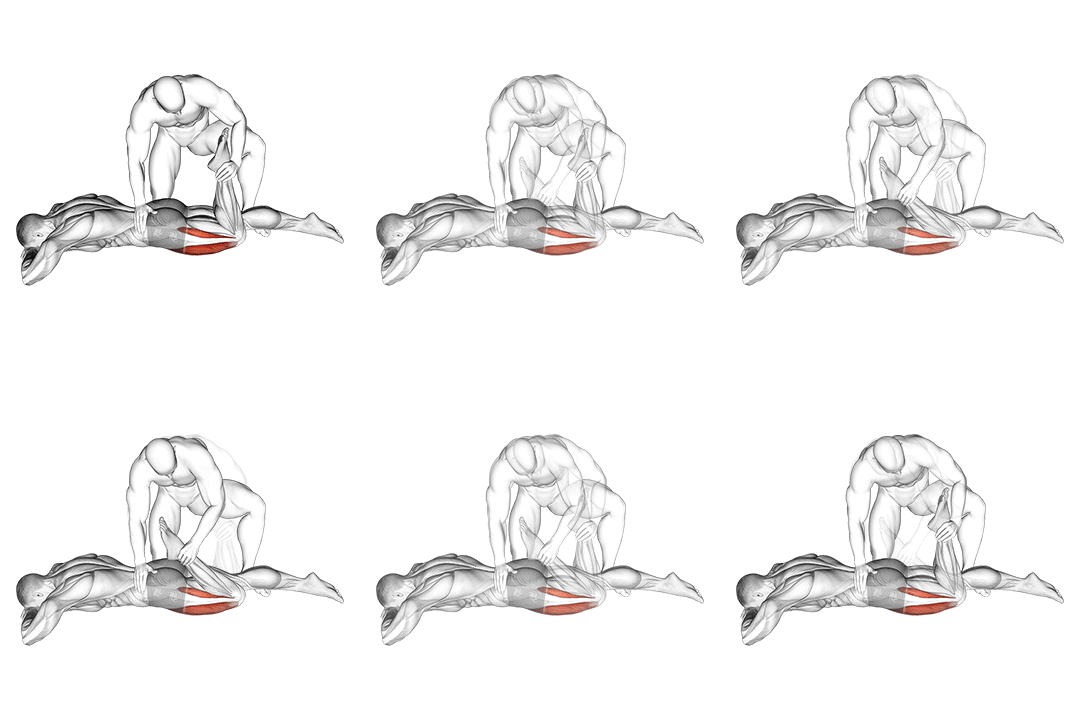
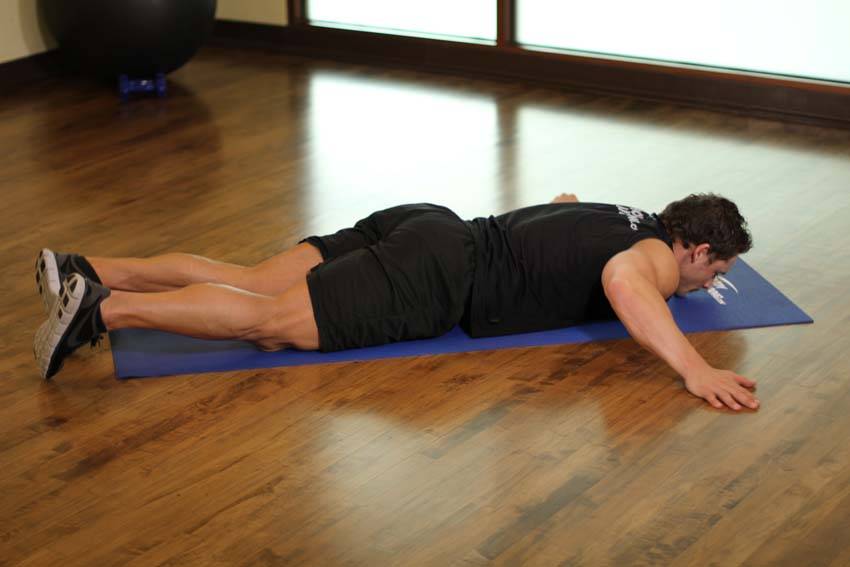
Assisted Prone Lying Quads Stretch
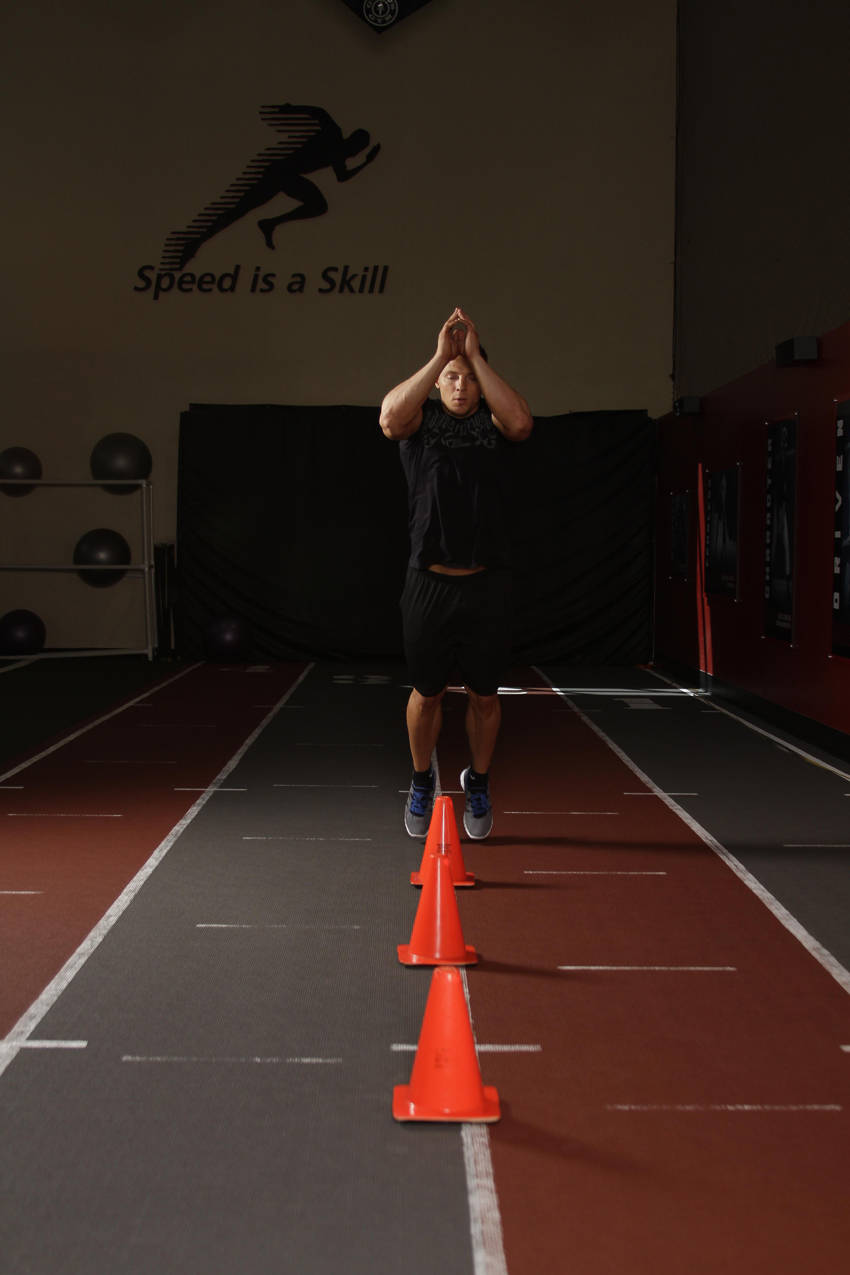
Front Cone Hops (or Hurdle Hops)
Head-to-Head Comparison
| Attribute | Assisted Prone Lying Quads Stretch | Front Cone Hops (or Hurdle Hops) |
|---|---|---|
| Target Muscle |
Quads
|
Quads
|
| Body Part |
Upper-legs
|
Upper-legs
|
| Equipment |
Other
|
Other
|
| Difficulty |
Beginner
|
Advanced
|
| Movement Type |
Isolation
|
Compound
|
| Secondary Muscles |
2
|
5
|
Secondary Muscles Activated
Assisted Prone Lying Quads Stretch
Front Cone Hops (or Hurdle Hops)
Visual Comparison
Overview
Assisted Prone Lying Quads Stretch vs Front Cone Hops (or Hurdle Hops) — two ways to work your quads, but for very different outcomes. You’ll get a clear, practical breakdown of how each exercise loads the quadriceps, the movement patterns and muscle activation you can expect, equipment needs, injury considerations, and specific progressions. Use this guide to decide which one to add to your routine based on mobility, muscle growth, power, or beginner friendliness.
Key Differences
- Assisted Prone Lying Quads Stretch is an isolation exercise, while Front Cone Hops (or Hurdle Hops) is a compound movement.
- Difficulty levels differ: Assisted Prone Lying Quads Stretch is beginner, while Front Cone Hops (or Hurdle Hops) is advanced.
- Both exercises target the Quads using Other. The main differences are in their movement patterns and muscle activation angles.
Pros & Cons
Assisted Prone Lying Quads Stretch
+ Pros
- Low-risk, beginner-friendly way to increase quad length and knee flexion range
- Requires minimal equipment and space—easy to do at home or rehab settings
- Targets rectus femoris length-tension relationship to improve hip/knee mobility
- Useful as a warm-up or post-workout recovery technique (hold 20–60s)
− Cons
- Doesn’t produce significant concentric or eccentric loading for muscle growth
- Limited carryover to explosive power, sprinting, or jumping performance
- Overstretching without pelvic control can irritate the hip joint
Front Cone Hops (or Hurdle Hops)
+ Pros
- High mechanical demand on quads—stimulates power and fast-twitch recruitment
- Trains stretch-shortening cycle and rate of force development useful for sport
- Also strengthens calves, glutes, hamstrings, and hip stabilizers
- Easy to scale intensity via hurdle height, distance, and reps
− Cons
- Higher injury risk without sound landing mechanics and a proper surface
- Requires space, equipment (cones/hurdles), and good baseline strength
- Not ideal for mobility improvement or recovery-focused sessions
When Each Exercise Wins
Hops produce repeated concentric-eccentric loading and higher mechanical tension than a passive stretch, so they stimulate more muscle remodeling. Use sets of 3–5 with 6–12 reps and add volume or resistance for better hypertrophy results, but heavier resistance exercises remain superior.
Hops train rate of force development and functional quad strength under load; perform 3–6 sets of 3–8 explosive reps to improve power and transfer to lifts. For maximal strength (1RM), combine with weighted squats; hops complement strength by improving neural drive.
The stretch has a shallow learning curve, low impact, and helps you restore knee flexion and anterior thigh mobility safely. It prepares the tissues for loading later without exposing you to high landing forces.
It needs only a mat or strap and fits small spaces, whereas cone hops require room, obstacles, and a safe floor. Use the stretch for mobility or pair with bodyweight strength work for a balanced home session.
Frequently Asked Questions
Can I do both Assisted Prone Lying Quads Stretch and Front Cone Hops (or Hurdle Hops) in the same workout?
Yes. Do the Assisted Prone Lying Quads Stretch as part of your warm-up or mobility prep (20–30s holds) to restore range of motion, then perform cone hops later when fresh to maximize power output. Avoid heavy stretching immediately before maximal jumps if it reduces force production; keep mobility sets brief.
Which exercise is better for beginners?
The Assisted Prone Lying Quads Stretch is better for beginners because it’s low-load and easy to master. It builds necessary mobility and reduces injury risk before progressing to dynamic, high-impact drills like cone hops.
How do the muscle activation patterns differ?
The stretch biases passive, low-EMG tension at long muscle lengths (beneficial for length-tension adaptations) while hops produce high, phasic EMG with rapid eccentric-to-concentric transitions. Hops recruit more type II fibers and stabilizers due to high ground reaction forces and the stretch-shortening cycle.
Can Front Cone Hops (or Hurdle Hops) replace Assisted Prone Lying Quads Stretch?
No—if your goal is mobility or rehabbing quad length issues, hops won’t replace a focused stretch. Hops can improve power and hypertrophy but won’t reliably increase static knee flexion range; include both when you need mobility and explosive capacity.
Expert Verdict
Use Assisted Prone Lying Quads Stretch when your goal is to increase quad and hip mobility, manage anterior knee tension, or include a low-risk recovery tool in your routine. Hold 20–60 seconds, 2–4 sets, and keep your pelvis neutral to target rectus femoris length. Choose Front Cone Hops when you want to build quad power, reactive strength, and sport-specific explosiveness—start with low hurdles (15–30 cm), 3–5 sets of 6–10 reps, and prioritize soft, aligned landings to protect the knee. Both have a place: the stretch for mobility and prep, hops for high-intensity power work—pick based on your immediate training goal.
Also Compare
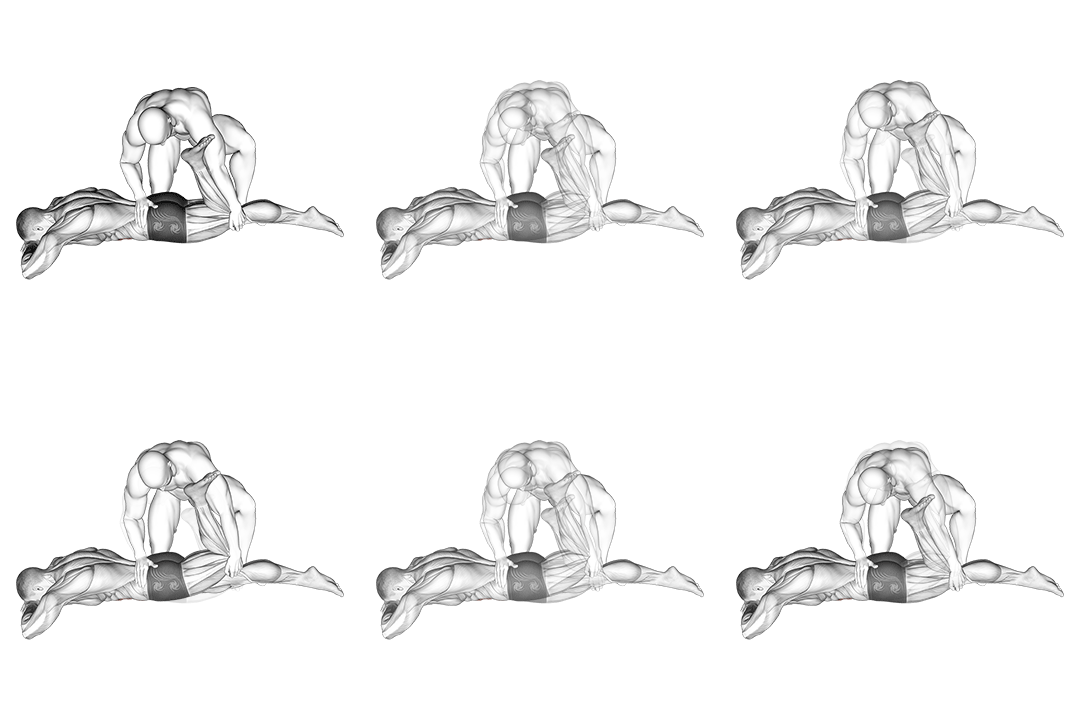
More comparisons with Assisted Prone Lying Quads Stretch
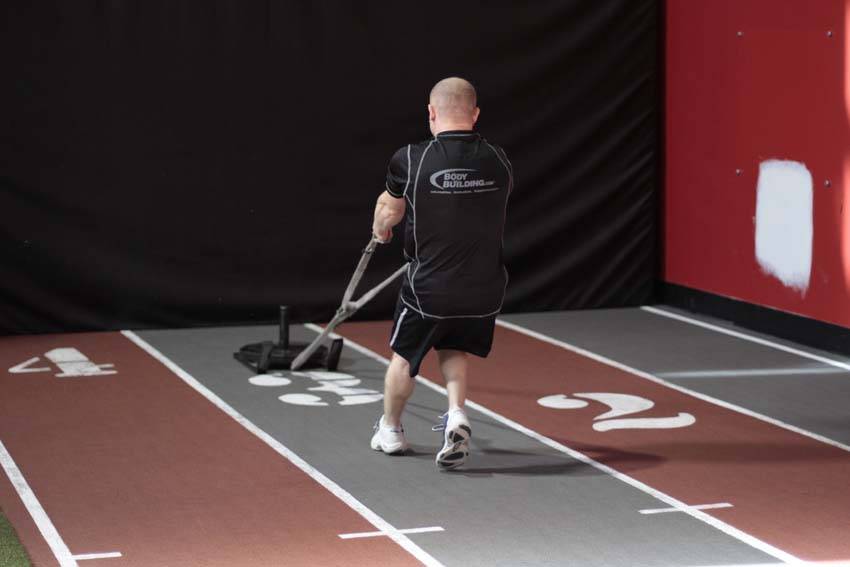
More comparisons with Front Cone Hops (or Hurdle Hops)
Compare More Exercises
Use our free comparison tool to analyze any two exercises head-to-head.
Compare Exercises