

Assisted Prone Rectus Femoris Stretch vs Iron Crosses (stretch): Complete Comparison Guide
Assisted Prone Rectus Femoris Stretch vs Iron Crosses (stretch) — both aim at the quads but they load and lengthen the rectus femoris differently. You’ll get clear technique cues, biomechanical reasons for one being better for range of motion versus ease of use, and specific programming recommendations (hold times, angles, rep ranges). Read on to learn which stretch to use for improving hip extension, reducing anterior knee pain, or adding mobility work to your warm-up or recovery routine.
Exercise Comparison
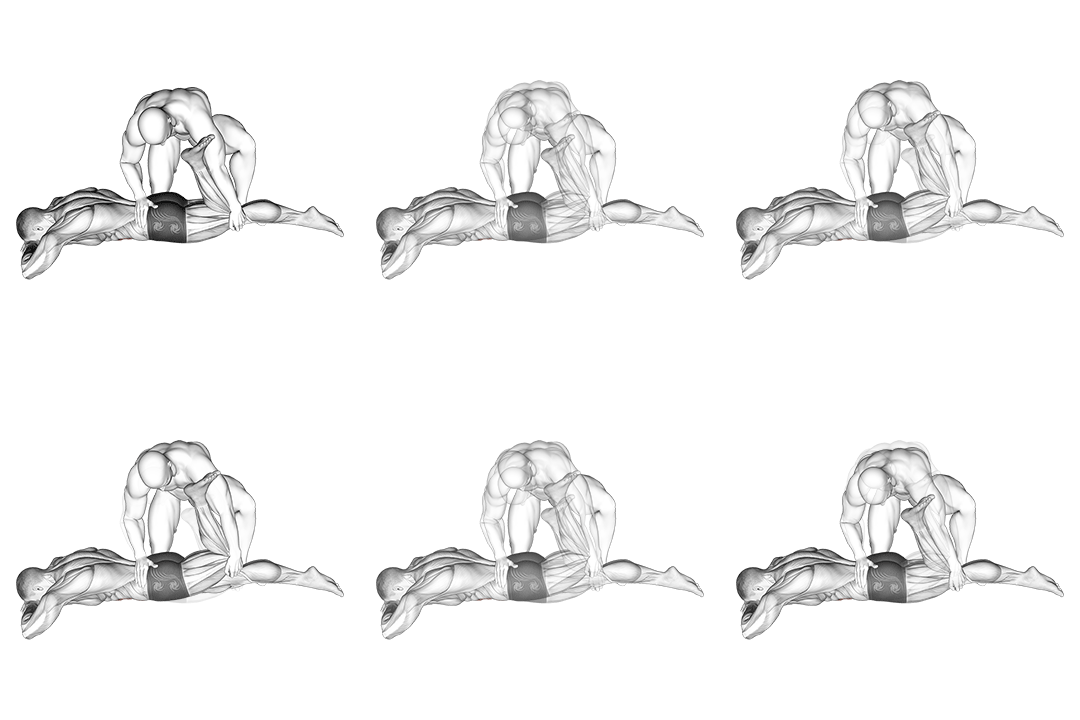
Assisted Prone Rectus Femoris Stretch
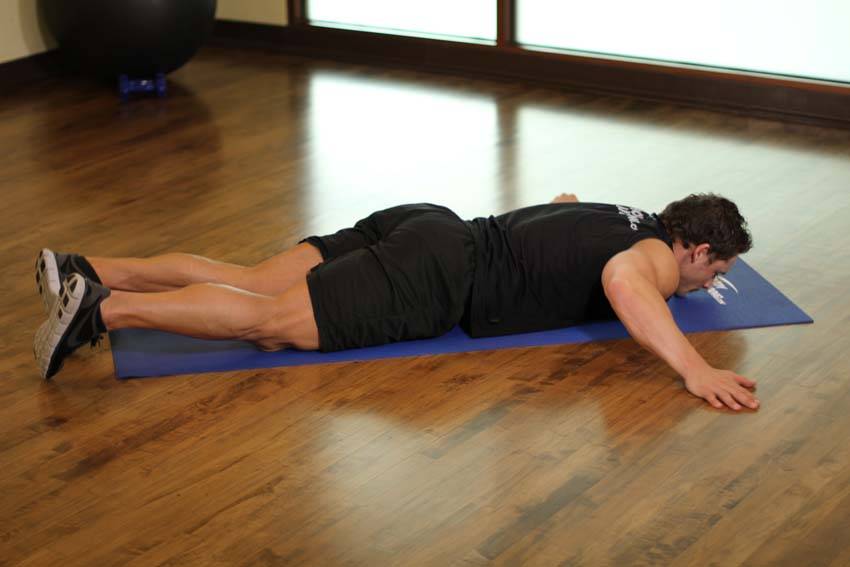
Iron Crosses (stretch)
Head-to-Head Comparison
| Attribute | Assisted Prone Rectus Femoris Stretch | Iron Crosses (stretch) |
|---|---|---|
| Target Muscle |
Quads
|
Quads
|
| Body Part |
Upper-legs
|
Upper-legs
|
| Equipment |
Other
|
Other
|
| Difficulty |
Beginner
|
Beginner
|
| Movement Type |
Isolation
|
Isolation
|
| Secondary Muscles |
1
|
0
|
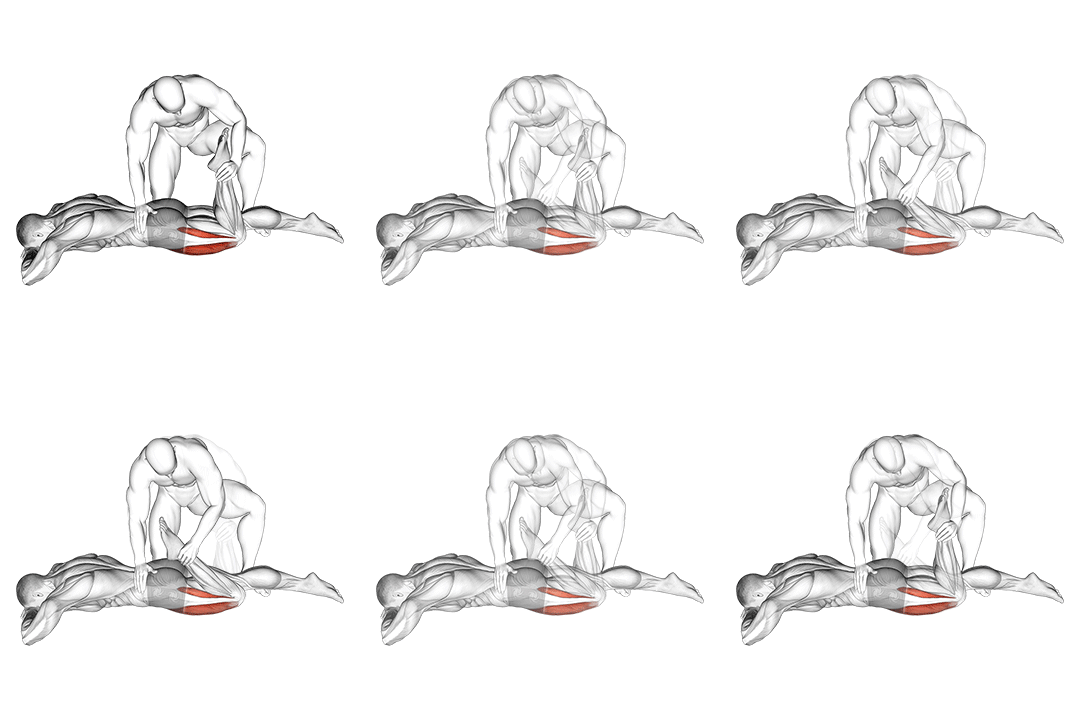
Secondary Muscles Activated
Assisted Prone Rectus Femoris Stretch
Iron Crosses (stretch)
Visual Comparison
Overview
Assisted Prone Rectus Femoris Stretch vs Iron Crosses (stretch) — both aim at the quads but they load and lengthen the rectus femoris differently. You’ll get clear technique cues, biomechanical reasons for one being better for range of motion versus ease of use, and specific programming recommendations (hold times, angles, rep ranges). Read on to learn which stretch to use for improving hip extension, reducing anterior knee pain, or adding mobility work to your warm-up or recovery routine.
Key Differences
- Both exercises target the Quads using Other. The main differences are in their movement patterns and muscle activation angles.
Pros & Cons
Assisted Prone Rectus Femoris Stretch
+ Pros
- Directly lengthens rectus femoris by combining hip extension and knee flexion
- Easier to progress hip extension angle and add light loading (ankle weight 1–3 kg)
- Good for improving running stride and hip extension ROM when held 30–60 seconds
- Targets anterior hip structures as well, improving multi-joint flexibility
− Cons
- Requires attention to pelvic position to avoid lumbar hyperextension
- May need a partner or strap to hold the ankle securely
- Higher risk of anterior hip or low-back irritation if overdone
Iron Crosses (stretch)
+ Pros
- Very accessible — can be done solo with minimal gear
- Simple setup and low learning curve for beginners
- Lower spinal loading when performed supine, making it safer for many users
- Easy to include in warm-ups or cooldowns with 30–90 second holds
− Cons
- Usually produces less hip extension than the assisted prone variation
- Less effective at lengthening the rectus femoris origin near the hip
- Fewer straightforward progression options other than time under tension
When Each Exercise Wins
While stretches don’t produce hypertrophy directly, the assisted prone position increases rectus femoris length and joint range by roughly 10–20 degrees of additional hip extension, enabling fuller loading during compound lifts. That improved ROM lets you use stronger force vectors in squats and lunges, which supports greater muscle growth over time.
Iron Crosses is the better adjunct for strength because it’s easy to apply frequently (daily 30–60s holds) without taxing the low back, helping you maintain knee and hip mobility that supports consistent heavy lifting. It reduces joint irritation, so you can preserve training frequency and progressive overload for strength work.
Iron Crosses is simpler to learn — supine or standing variations require minimal pelvic control and give a clear, tolerable stretch at the knee. Beginners can safely perform 2–3 sets of 30–60s holds and progress time before tackling more advanced hip-extension stretches.
Iron Crosses requires almost no equipment (a strap or towel is optional) and can be done anywhere. Assisted prone is doable at home but often needs a partner or extra focus on pelvic alignment to avoid low-back strain.
Frequently Asked Questions
Can I do both Assisted Prone Rectus Femoris Stretch and Iron Crosses (stretch) in the same workout?
Yes. Start with Iron Crosses as a general warm-up (30–60s) then use the assisted prone stretch for deeper tissue lengthening (2–3 sets of 30–60s). Keep total time per muscle to 5–8 minutes and avoid forcing hip extension beyond a comfortable range.
Which exercise is better for beginners?
Iron Crosses is better for beginners because it has a gentler setup and lower spinal demands. Beginners should perform 2–3 sets of 30–60 second holds while focusing on relaxed breathing and avoiding knee pain.
How do the muscle activation patterns differ?
Both are primarily passive stretches that increase passive tension along the rectus femoris. The assisted prone stretch places the muscle farther along its length-tension curve by combining hip extension with knee flexion, raising passive force; Iron Crosses produces a more distal, knee-focused stretch with less hip-extension loading.
Can Iron Crosses (stretch) replace Assisted Prone Rectus Femoris Stretch?
Iron Crosses can replace assisted prone for daily maintenance and recovery, but it won’t match the assisted prone for maximal hip-extension ROM gains. If your goal is to add 10–20 degrees of hip extension, keep the assisted prone in your program 2–3 times weekly.
Expert Verdict
Use Assisted Prone Rectus Femoris Stretch when you need deep rectus femoris lengthening and improved hip extension — for example, if you’re a runner or athlete needing 10–20 degrees more hip extension. Perform 2–3 sets of 30–60 second holds with pelvic cues: anterior superior iliac spine level, glute isometric activation, and avoid lumbar arching. Choose Iron Crosses (stretch) when you want an accessible, low-risk quad stretch that you can do daily to protect knee mechanics and maintain training frequency; do 2–4 sets of 30–90 seconds. Both are useful: favor the assisted prone for targeted ROM gains and Iron Crosses for routine mobility and recovery.
Also Compare
More comparisons with Assisted Prone Rectus Femoris Stretch
More comparisons with Iron Crosses (stretch)
Compare More Exercises
Use our free comparison tool to analyze any two exercises head-to-head.
Compare Exercises