

10 Best Kettlebell Hang Clean Alternatives for Hamstring Strength
The Kettlebell Hang Clean is done standing with a kettlebell. Ranked closest by our scoring: the Knee Tuck Jump, the Kick Out Sit and the Single Leg Platform Slide.
Updated Ranked by our 12-factor similarity model How it works
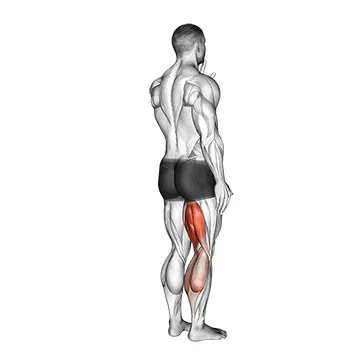
Original Exercise: Kettlebell Hang Clean
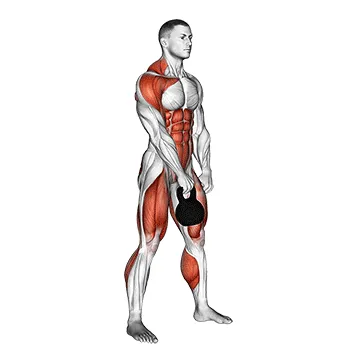
- Primary muscle
- Hamstrings
- Equipment
- Kettlebell
- Difficulty
- Intermediate
- Type
- Compound
Secondary muscles: Glutes, Quadriceps, Calves
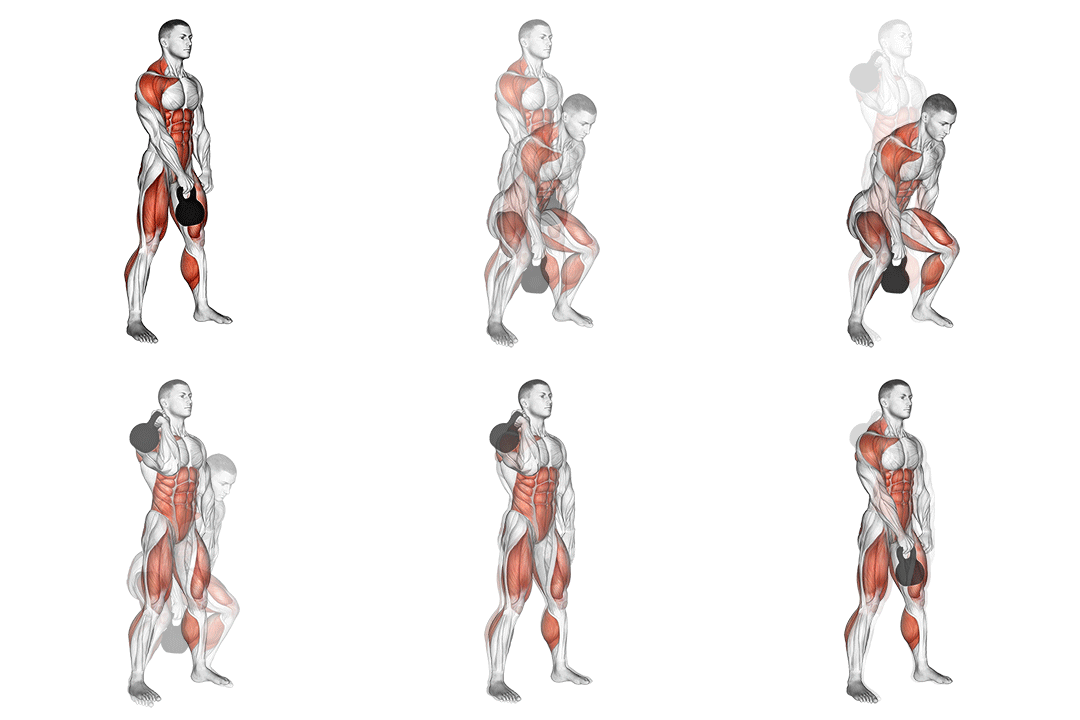
How to perform Kettlebell Hang Clean
- Stand with your feet shoulder-width apart, holding a kettlebell in front of your thighs.
- Bend your knees slightly and hinge forward at the hips, keeping your back straight.
- Lower the kettlebell towards the ground, allowing it to swing between your legs.
- Quickly extend your hips and knees, using the momentum to swing the kettlebell up to shoulder height.
- As the kettlebell reaches shoulder height, rotate your wrists and catch the kettlebell in the rack position, with your elbow tucked in and the kettlebell resting on your forearm.
- Lower the kettlebell back down to the starting position between your legs, and repeat for the desired number of repetitions.
Ranked Kettlebell Hang Clean Alternatives
10 substitutes, ranked by how closely each one matches the Kettlebell Hang Clean on movement pattern, muscles worked, equipment and body position. The higher the score, the less you change. Open "How to perform this exercise" on a card for the steps; every card title links to that exercise's own alternatives page.
Best match 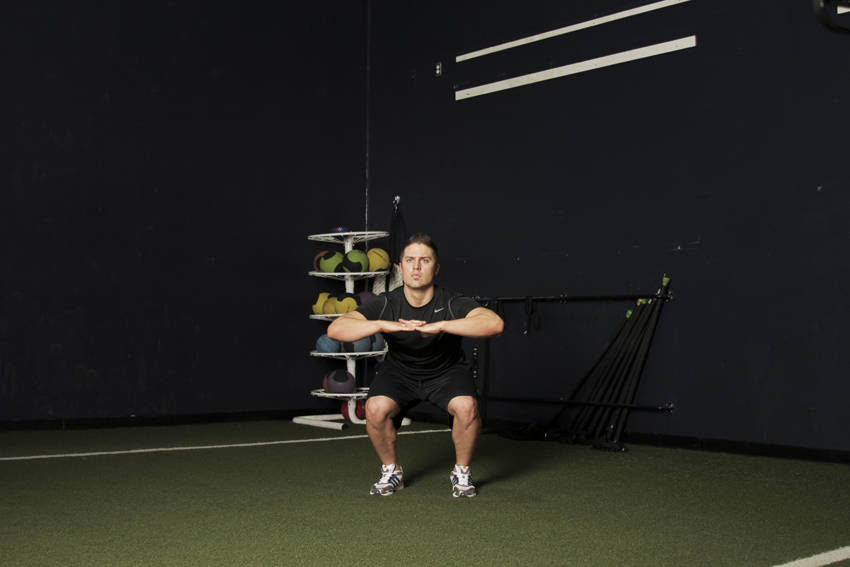
1. Knee Tuck Jump
51% match- Hamstrings
- Bodyweight
- Intermediate
- Compound
Use this when you have nothing to train with, because it works the hamstrings with bodyweight alone.
How to perform this exercise
- Begin in a comfortable standing position with your knees slightly bent. Hold your hands in front of you, palms down with your fingertips together at chest height. This will be your starting position.
- Rapidly dip down into a quarter squat and immediately explode upward. Drive the knees towards the chest, attempting to touch them to the palms of the hands.
- Jump as high as you can, raising your knees up, and then ensure a good land be re-extending your legs, absorbing impact through be allowing the knees to rebend.
Sets and reps: 3 or 4 sets of 6 to 10 reps.
Why this matches
- Primary muscle: hamstrings, the same as the Kettlebell Hang Clean
- Equipment: bodyweight only, not free weights
- Body position: standing, the same as the Kettlebell Hang Clean
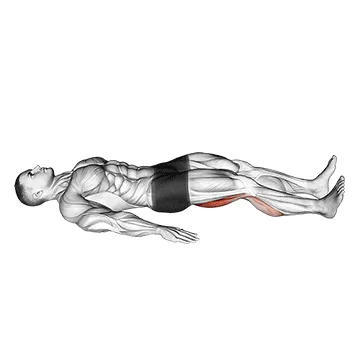
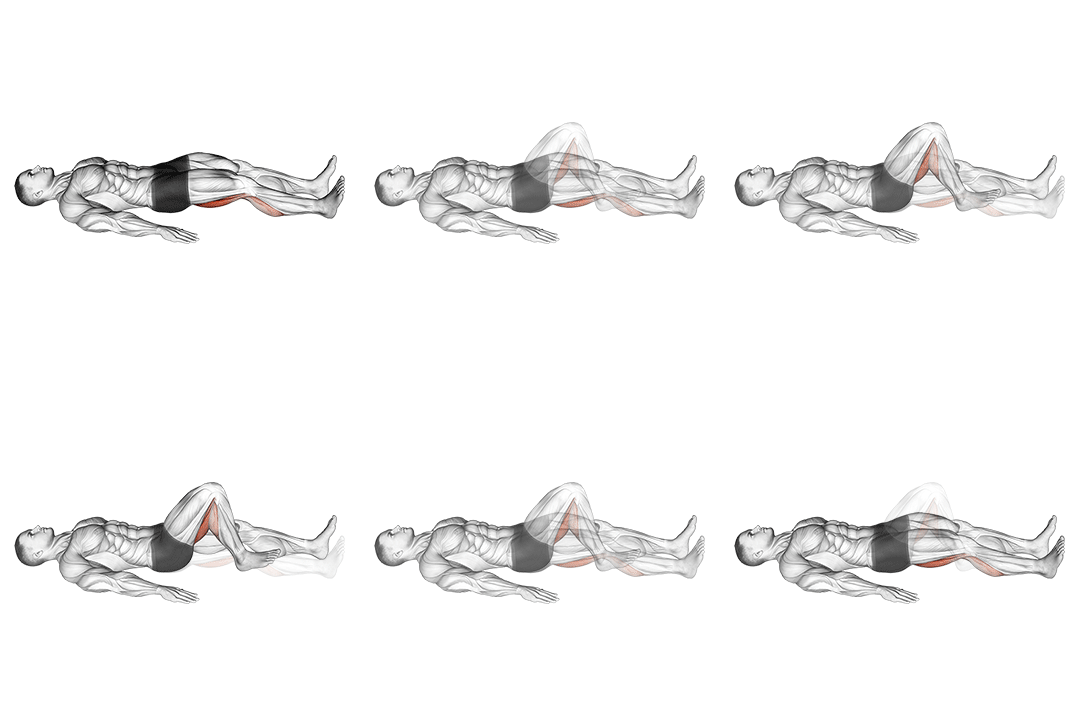
2. Kick Out Sit
50% match- Hamstrings
- Bodyweight
- Intermediate
- Compound
How to perform this exercise
- Sit on the edge of a bench or chair with your feet flat on the ground and your knees bent at a 90-degree angle.
- Lean back slightly and place your hands on the edge of the bench or chair for support.
- Engaging your hamstrings, lift your feet off the ground and extend your legs straight out in front of you.
- Pause for a moment at the top, then slowly bend your knees and bring your feet back towards your body.
- Repeat for the desired number of repetitions.
Sets and reps: 3 or 4 sets of 6 to 10 reps on each side.
Why this matches
- Primary muscle: hamstrings, the same as the Kettlebell Hang Clean
- Equipment: bodyweight only, not free weights
- Body position: standing, the same as the Kettlebell Hang Clean
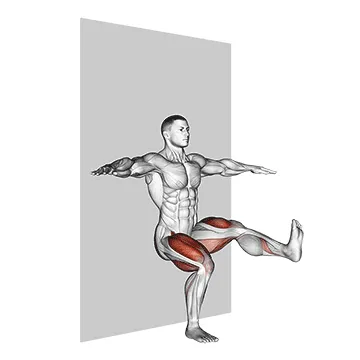
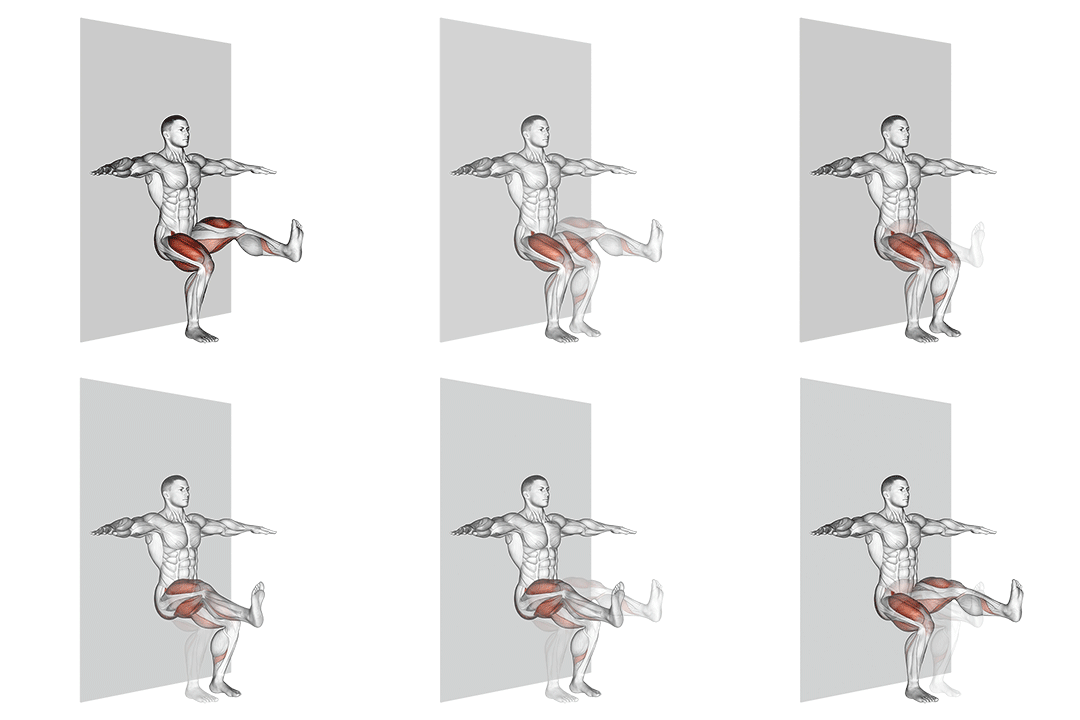
3. Single Leg Platform Slide
49% match- Hamstrings
- Bodyweight
- Intermediate
- Compound
How to perform this exercise
- Start by standing with one foot on a platform or slide board.
- Bend your knee slightly and slide the foot on the platform backward, extending your leg.
- Keep your core engaged and maintain a straight posture throughout the movement.
- Slowly return to the starting position by sliding your foot back to the initial position.
- Repeat the movement for the desired number of repetitions, then switch legs.
Sets and reps: 3 or 4 sets of 6 to 10 reps on each side.
Why this matches
- Primary muscle: hamstrings, the same as the Kettlebell Hang Clean
- Equipment: bodyweight only, not free weights
- Body position: standing, the same as the Kettlebell Hang Clean
- Balance: harder to stay steady on than the Kettlebell Hang Clean
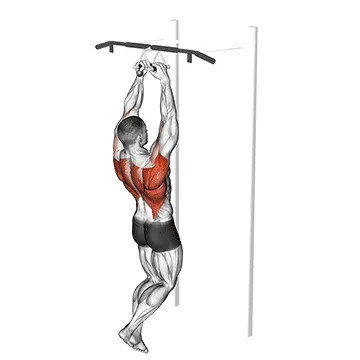
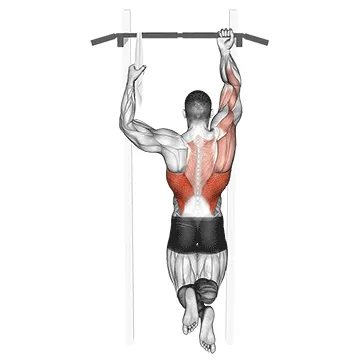
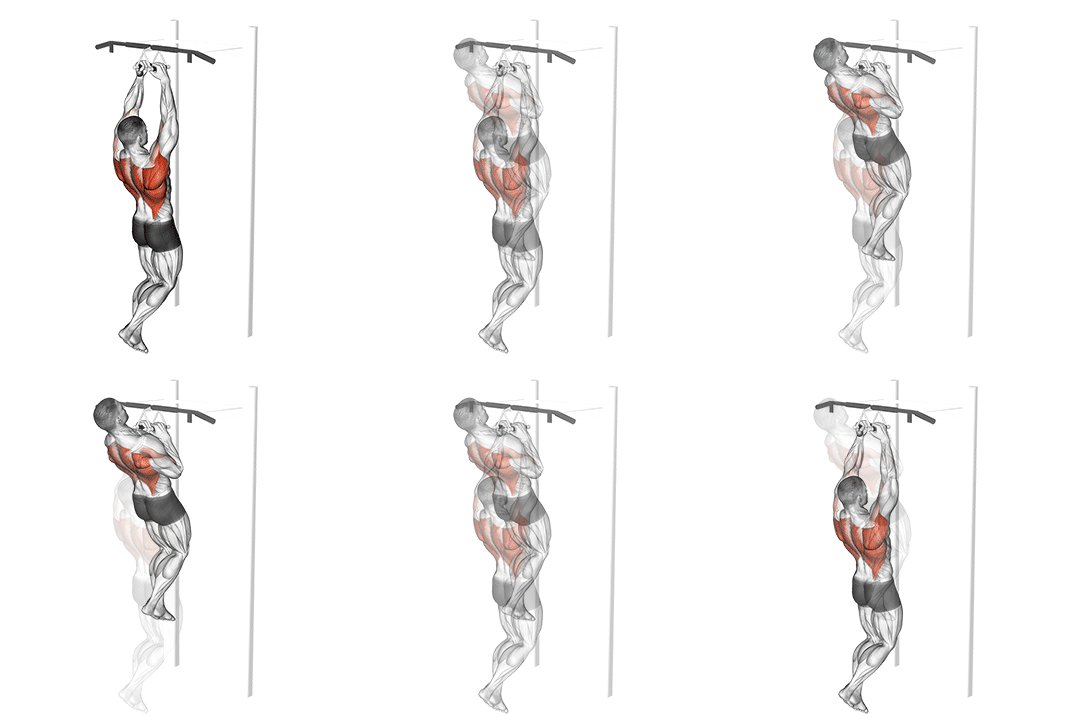
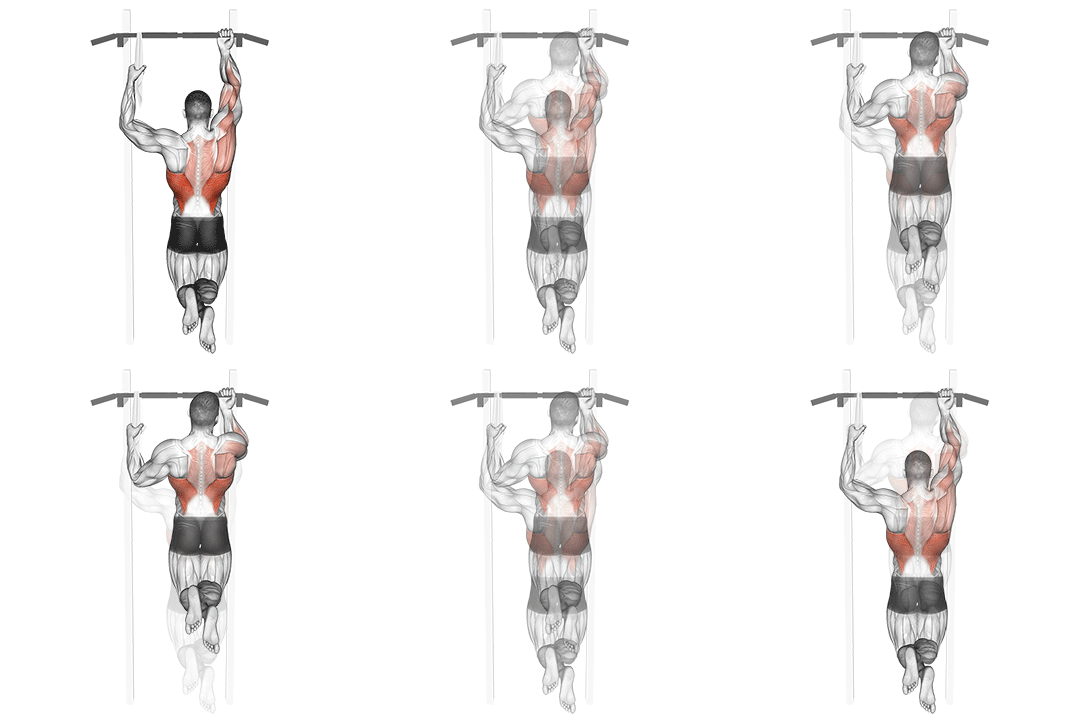
4. Chin-ups (Narrow Parallel Grip)
45% match- Upper Back
- Bodyweight
- Advanced
- Compound
A looser match: it works the upper back rather than the hamstrings.
How to perform this exercise
- Hang from a pull-up bar with a narrow parallel grip, palms facing towards you.
- Engage your back muscles and pull your body up towards the bar, keeping your elbows close to your body.
- Continue pulling until your chin is above the bar.
- Pause for a moment at the top, then slowly lower your body back down to the starting position.
- Repeat for the desired number of repetitions.
Sets and reps: 3 or 4 sets of 6 to 10 reps.
Why this matches
- Primary muscle: upper back, not hamstrings
- Equipment: bodyweight only, not free weights
- Body position: hanging, not standing
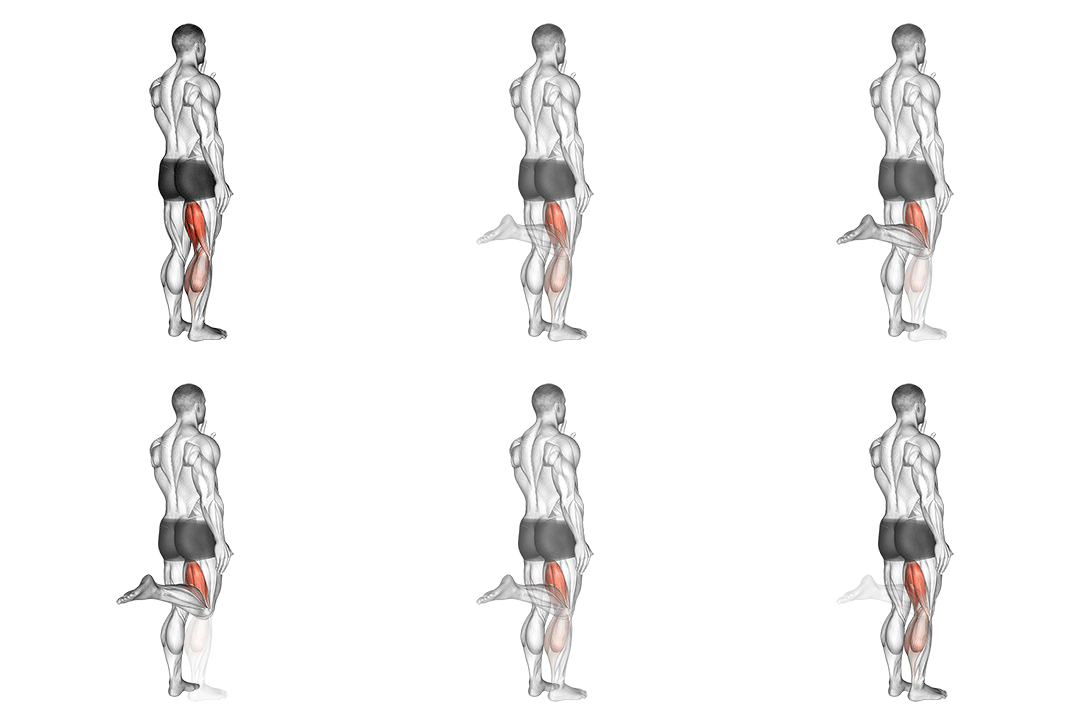
5. Standing Single Leg Curl
44% match- Hamstrings
- Bodyweight
- Intermediate
- Isolation
How to perform this exercise
- Stand with your feet hip-width apart and your hands on your hips.
- Shift your weight onto your left leg and lift your right foot off the ground, bending your knee.
- Slowly curl your right heel towards your glutes, squeezing your hamstring.
- Pause for a moment at the top, then slowly lower your right foot back down to the starting position.
- Repeat for the desired number of repetitions, then switch legs.
Sets and reps: 3 sets of 10 to 15 reps on each side.
Why this matches
- Primary muscle: hamstrings, the same as the Kettlebell Hang Clean
- Equipment: bodyweight only, not free weights
- Body position: standing, the same as the Kettlebell Hang Clean
6. Moving Claw Series
43% match- Hamstrings
- Bodyweight
- Intermediate
- Compound
How to perform this exercise
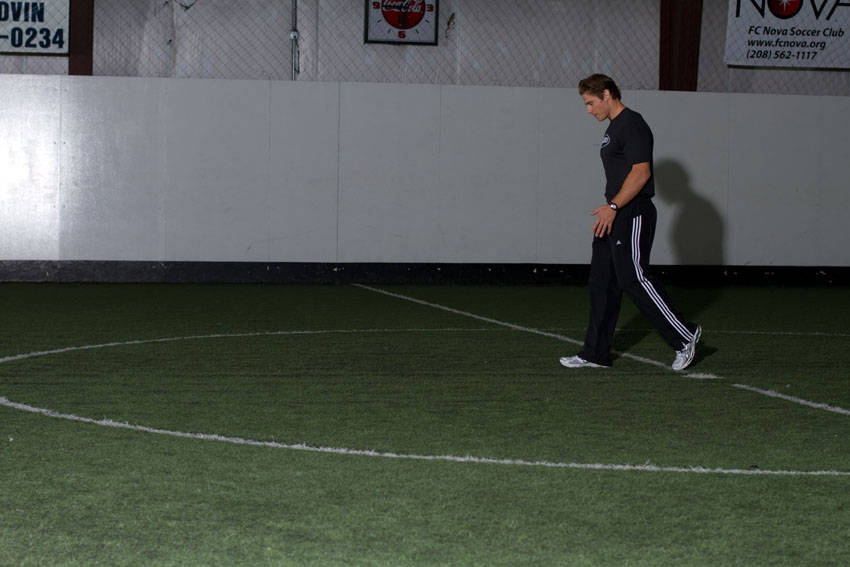
- This move helps prepare your running form to help you excel at sprinting. As you run, be sure to flex the knee, aiming to kick your glutes as the hip extends.
- Reload the quad as the leg moves back forward, attacking the ground on the next step.
- Ensure that as you run, you block with the arms, punching through in a rapid 1-2 motion.
Sets and reps: 3 or 4 sets of 6 to 10 reps on each side.
Why this matches
- Primary muscle: hamstrings, the same as the Kettlebell Hang Clean
- Equipment: bodyweight only, not free weights
- Body position: standing, the same as the Kettlebell Hang Clean
7. Linear Acceleration Wall Drill
42% match- Hamstrings
- Bodyweight
- Intermediate
- Compound
How to perform this exercise
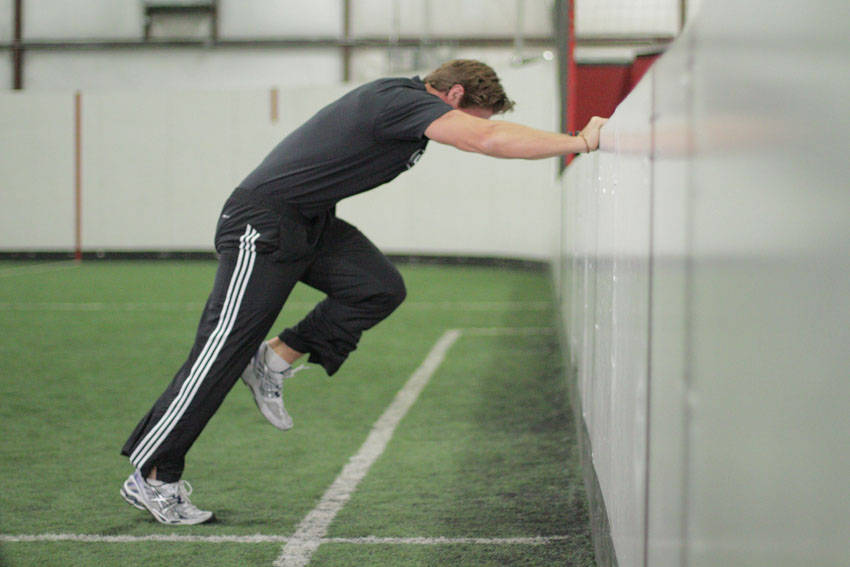
- Lean at around 45 degrees against a wall. Your feet should be together, glutes contracted.
- Begin by lifting your right knee quickly, pausing, and then driving it straight down into the ground.
- Switch legs, raising the opposite knee, and then attacking the ground straight down.
- Repeat once more with your right leg, and as soon as the right foot strikes the ground hammer them out rapidly, alternating left and right as fast as you can.
Sets and reps: 3 or 4 sets of 6 to 10 reps on each side.
Why this matches
- Primary muscle: hamstrings, the same as the Kettlebell Hang Clean
- Equipment: bodyweight only, not free weights
- Body position: standing, the same as the Kettlebell Hang Clean
8. One Arm Chin-up
41% match- Lats
- Bodyweight
- Advanced
- Compound
How to perform this exercise
- Stand facing a pull-up bar with your feet shoulder-width apart.
- Reach up and grab the bar with an underhand grip, with one hand gripping the bar and the other hand holding your wrist for support.
- Hang from the bar with your arm fully extended, keeping your body straight and your core engaged.
- Pull yourself up towards the bar by bending your elbow and squeezing your back muscles.
- Continue pulling until your chin is above the bar, then slowly lower yourself back down to the starting position.
- Repeat for the desired number of repetitions, then switch arms and repeat.
Sets and reps: 3 or 4 sets of 6 to 10 reps on each side.
Why this matches
- Primary muscle: lats, not hamstrings
- Equipment: bodyweight only, not free weights
- Body position: hanging, not standing
- Balance: harder to stay steady on than the Kettlebell Hang Clean
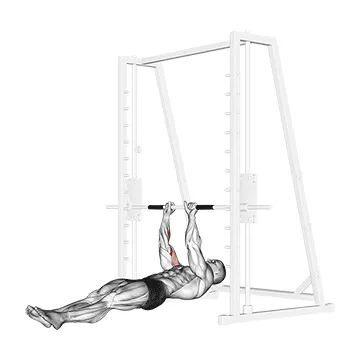
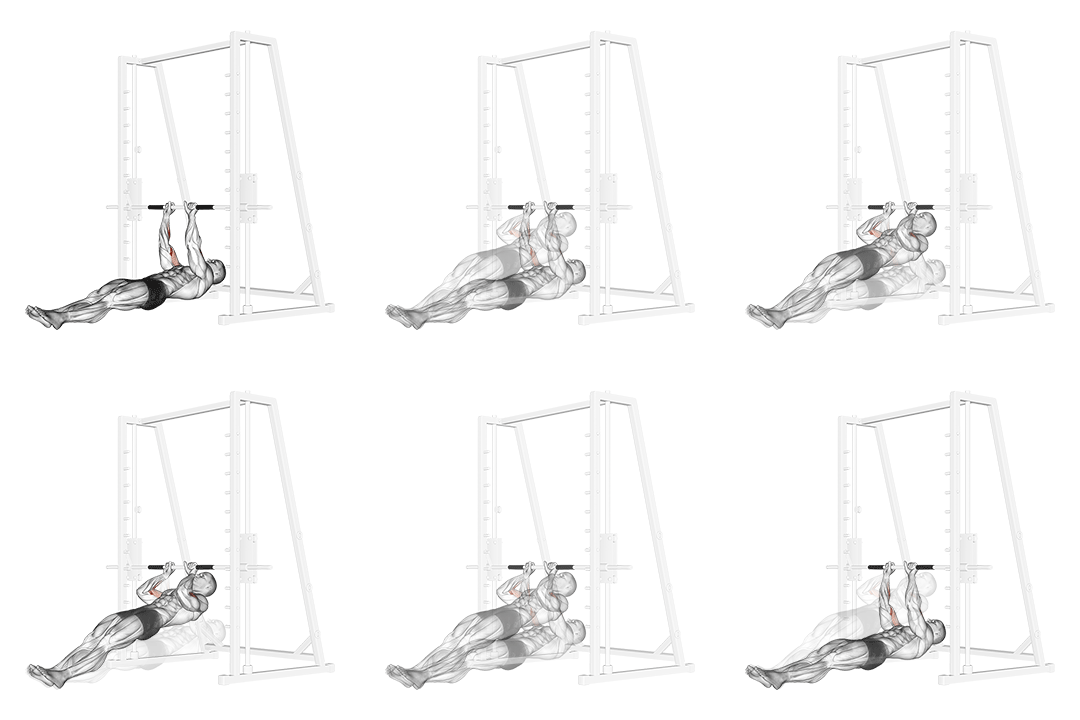
9. Biceps Narrow Pull-ups
41% match- Biceps
- Bodyweight
- Advanced
- Compound
How to perform this exercise
- Hang from a pull-up bar with your palms facing towards you and your hands shoulder-width apart.
- Engage your core and pull yourself up towards the bar, focusing on using your biceps to lift your body.
- Pause for a moment at the top, then slowly lower yourself back down to the starting position.
- Repeat for the desired number of repetitions.
Sets and reps: 3 or 4 sets of 6 to 10 reps.
Why this matches
- Primary muscle: biceps, not hamstrings
- Equipment: bodyweight only, not free weights
- Body position: hanging, not standing
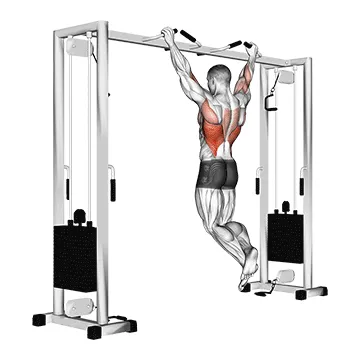
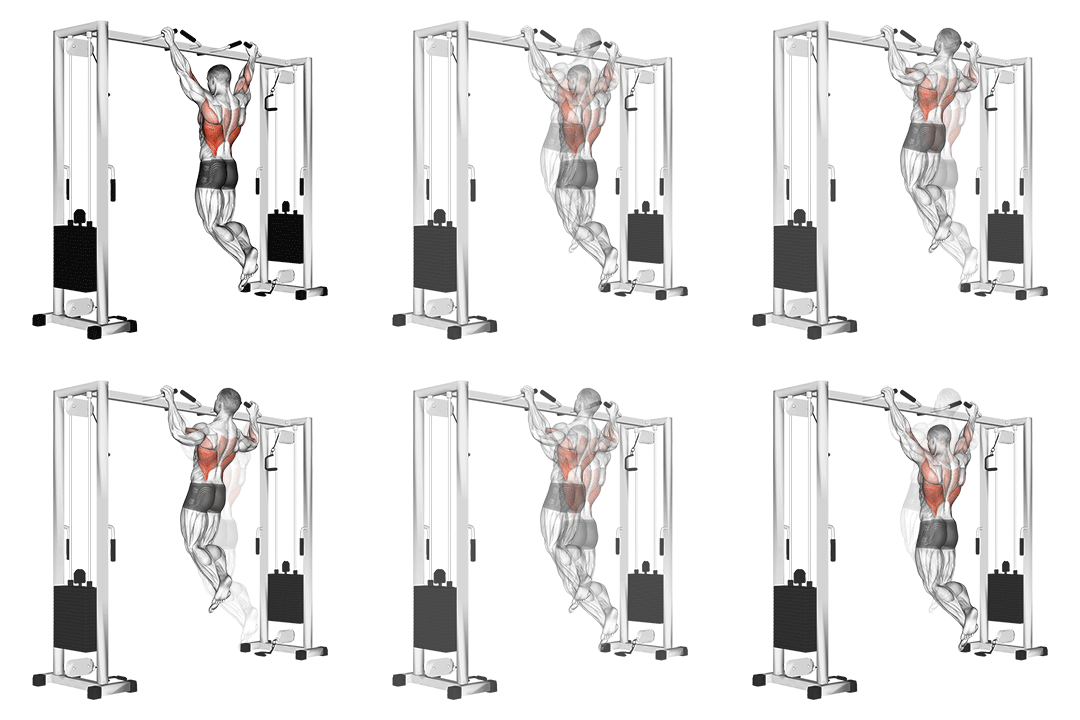
10. Pull Up (Neutral Grip)
40% match- Lats
- Bodyweight
- Advanced
- Compound
How to perform this exercise
- Hang from a pull-up bar with a neutral grip (palms facing each other) and your arms fully extended.
- Engage your core and squeeze your shoulder blades together.
- Pull your body up towards the bar by bending your elbows and driving your elbows down towards your hips.
- Continue pulling until your chin is above the bar.
- Pause for a moment at the top, then slowly lower your body back down to the starting position with control.
- Repeat for the desired number of repetitions.
Sets and reps: 3 or 4 sets of 6 to 10 reps.
Why this matches
- Primary muscle: lats, not hamstrings
- Equipment: bodyweight only, not free weights
- Body position: hanging, not standing
Kettlebell Hang Clean FAQ
What muscles does Kettlebell Hang Clean work?
The kettlebell hang clean primarily targets the hamstrings and glutes through hip hinge and explosive hip extension, while the posterior chain transfers force through the lats and upper back during the pull. Cue: hinge at the hips, keep the scapula engaged, and finish by snapping the hips forward to maximize hamstring and glute activation.
What is the best bodyweight alternative to Kettlebell Hang Clean?
The Nordic hamstring curl is the best bodyweight substitute for targeting hamstring strength and eccentric control; anchor your feet, keep hips neutral, and lower slowly. If you need a more explosive bodyweight option, use broad jumps with a strong hip snap and soft knee landing to train hip extension power.
Find Alternatives for Any Exercise
Search the exercise database and filter the ranked substitutes by the equipment you own.
Similarity scores compare exercise metadata such as movement pattern, muscles, equipment and body position. They are not a safety rating or a check that you own the equipment. Learn about our methodology