

Bear Crawl Sled Drags vs Linear Depth Jump: Complete Comparison Guide
Bear Crawl Sled Drags vs Linear Depth Jump — two compound, quad-focused moves that train your upper-legs through very different mechanics. You’ll get clear, actionable guidance on how each exercise loads the quads, which secondary muscles assist, what equipment and surfaces you need, and how to program them for strength, hypertrophy, or power. I’ll break down technique cues (knee angle, trunk position, contact times), show the biomechanics behind each movement (force vectors, length-tension, eccentric demand), and give rep and set ranges so you can pick the one that best fits your goals and training environment.
Exercise Comparison
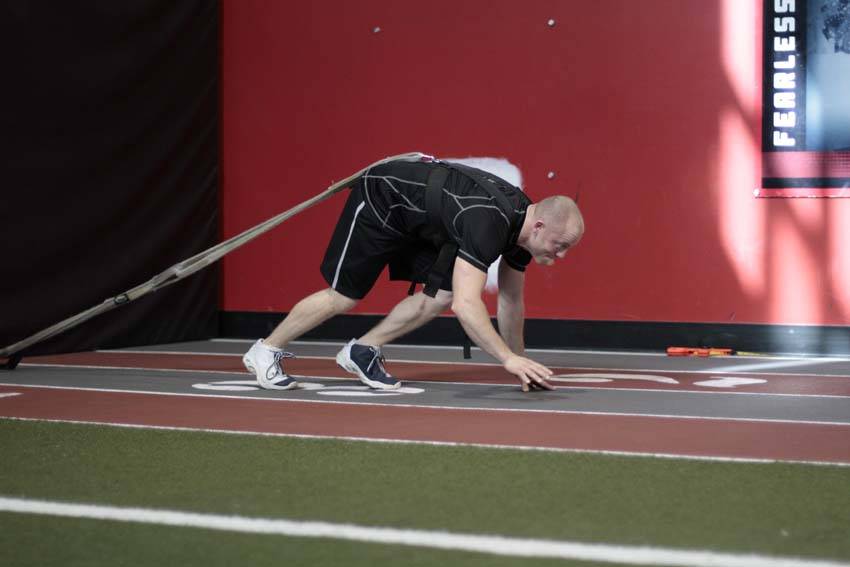
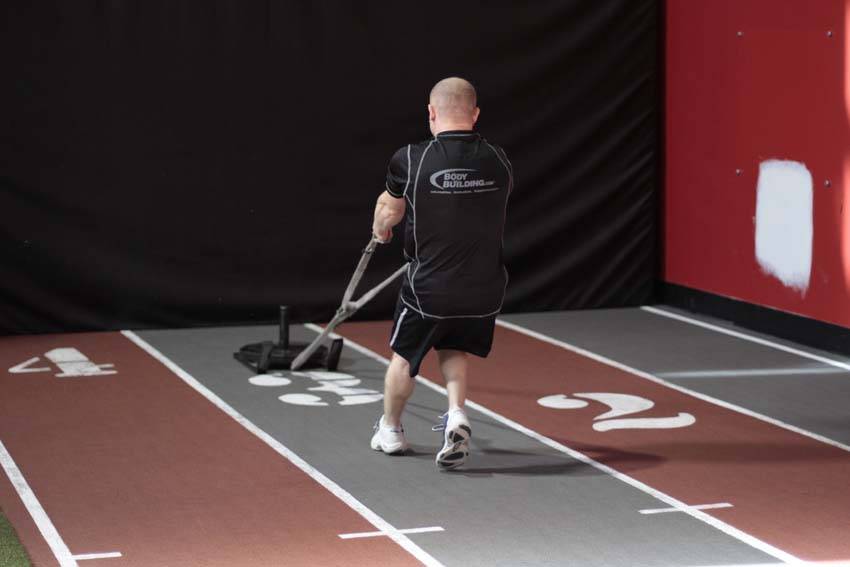
Bear Crawl Sled Drags
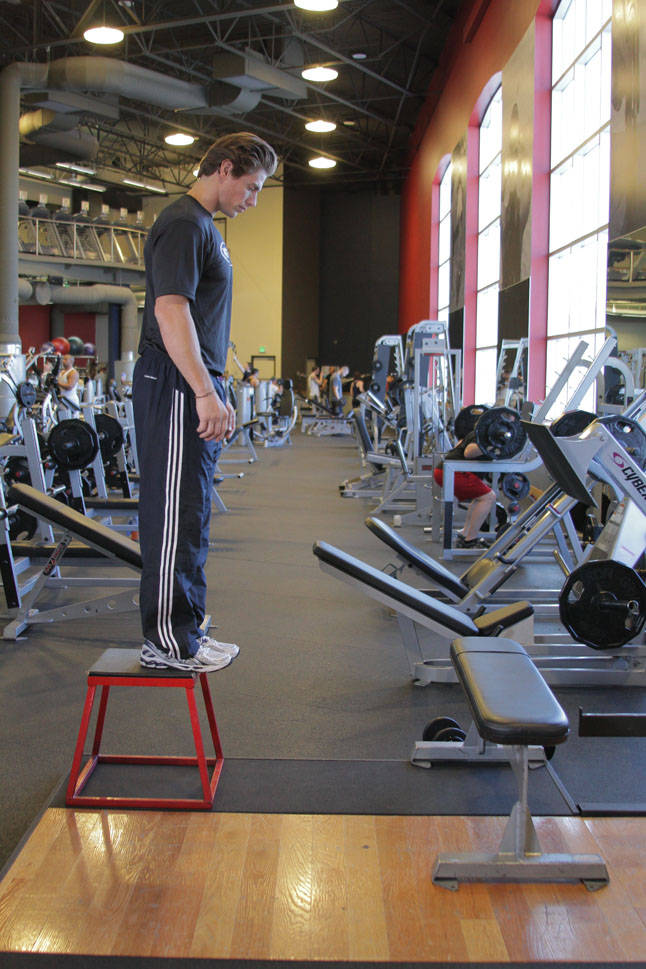
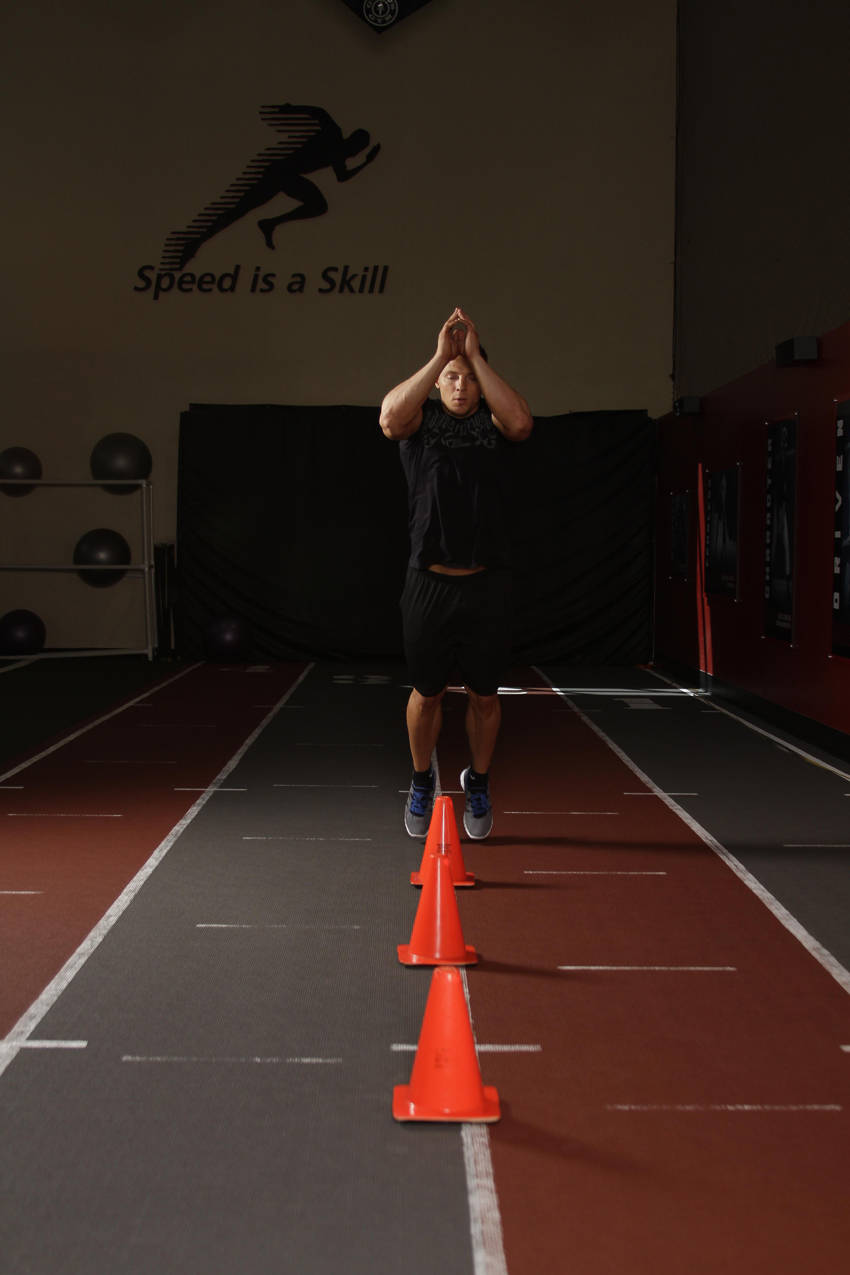
Linear Depth Jump
Head-to-Head Comparison
| Attribute | Bear Crawl Sled Drags | Linear Depth Jump |
|---|---|---|
| Target Muscle |
Quads
|
Quads
|
| Body Part |
Upper-legs
|
Upper-legs
|
| Equipment |
Other
|
Other
|
| Difficulty |
Intermediate
|
Advanced
|
| Movement Type |
Compound
|
Compound
|
| Secondary Muscles |
3
|
3
|
Secondary Muscles Activated
Bear Crawl Sled Drags
Linear Depth Jump
Visual Comparison
Overview
Bear Crawl Sled Drags vs Linear Depth Jump — two compound, quad-focused moves that train your upper-legs through very different mechanics. You’ll get clear, actionable guidance on how each exercise loads the quads, which secondary muscles assist, what equipment and surfaces you need, and how to program them for strength, hypertrophy, or power. I’ll break down technique cues (knee angle, trunk position, contact times), show the biomechanics behind each movement (force vectors, length-tension, eccentric demand), and give rep and set ranges so you can pick the one that best fits your goals and training environment.
Key Differences
- Difficulty levels differ: Bear Crawl Sled Drags is intermediate, while Linear Depth Jump is advanced.
- Both exercises target the Quads using Other. The main differences are in their movement patterns and muscle activation angles.
Pros & Cons
Bear Crawl Sled Drags
+ Pros
- Direct progressive overload by adding plates to the sled
- High time-under-tension for quad hypertrophy and metabolic stress
- Lower peak eccentric impact than drop-based plyometrics
- Teaches horizontal force production and hip-knee coordination
− Cons
- Requires specialized equipment and space
- Can fatigue grip/shoulder if harness not fitted correctly
- Less carryover to high-rate power/RFD tasks
Linear Depth Jump
+ Pros
- Maximizes rate of force development and reactive power
- Simple equipment — just a box — and easy to dose by reps
- Strong transfer to sprinting and jumping due to SSC training
- Short sessions (low rep counts) produce big neural stimulus
− Cons
- High-impact; greater joint and connective tissue stress
- Technical and requires supervised progression
- Limited hypertrophy stimulus due to brief time under tension
When Each Exercise Wins
Sled drags allow consistent progressive overload and long time under tension (20–60 s per set), which increases motor unit recruitment and metabolic stress in the quads—key drivers for muscle growth.
You can increase external load with a sled to raise peak torque across larger knee angles and perform heavier, longer sets, which supports maximal force development better than low-rep reactive jumps.
Sled drags let you build joint tolerance, knee control, and posterior chain coordination gradually; depth jumps demand rapid eccentric control and are inappropriate until landing mechanics are solid.
A sturdy box or step is often easier to source at home than a sled. If you have safe landing space and proper technique, short sets of 3–6 reps of depth jumps fit home sessions well.
Frequently Asked Questions
Can I do both Bear Crawl Sled Drags and Linear Depth Jump in the same workout?
Yes, but sequence them to preserve quality. Do depth jumps first as a low-rep, high-neural demand exercise (3–6 reps, full rest) and follow with sled drags for strength or hypertrophy (4–6 sets of 20–40 m or 30–60 s). Limit total depth-jump contacts to 30–60 per session to manage fatigue and injury risk.
Which exercise is better for beginners?
Bear Crawl Sled Drags are better for beginners because you can control load and tempo while teaching knee tracking and trunk stability. Depth jumps require advanced landing mechanics and tendon resilience, so save them until you demonstrate stable abs, hips, and knees under load.
How do the muscle activation patterns differ?
Sled drags produce prolonged concentric and isometric-like activation with high time under tension, recruiting motor units steadily. Depth jumps use the stretch-shortening cycle: a rapid eccentric phase followed by an explosive concentric action, favoring fast-twitch recruitment and high rate of force development during very short ground contact times.
Can Linear Depth Jump replace Bear Crawl Sled Drags?
Not fully. Depth jumps excel at improving reactive power and RFD but provide limited hypertrophy stimulus because contact times are brief. If your goal is maximum quad size or sustained force production, sled drags are the superior choice; use depth jumps to complement power and speed work.
Expert Verdict
Use Bear Crawl Sled Drags when your goal is quad hypertrophy, strength, or controlled horizontal force development. They let you manipulate external load (add 10–50+ kg increments), maintain knee angles in the 30–90° range, and accumulate time under tension for muscle growth. Choose Linear Depth Jumps when you need to improve reactive power and rate of force development—perform low volumes (3–6 reps, 3–5 sets) from appropriate box heights (20–40 cm for most, up to 60 cm for advanced athletes) and prioritize full recovery. Program depth jumps early in a session and keep sled drags for strength or metabolic blocks. Be decisive: pick the exercise that matches your immediate goal, and progress it systematically.
Also Compare
More comparisons with Bear Crawl Sled Drags
More comparisons with Linear Depth Jump
Compare More Exercises
Use our free comparison tool to analyze any two exercises head-to-head.
Compare Exercises