

Front Cone Hops (or Hurdle Hops) vs Linear Depth Jump: Complete Comparison Guide
Front Cone Hops (or Hurdle Hops) vs Linear Depth Jump — if you want stronger, more powerful quads, these two advanced plyometrics offer different routes. You’ll learn how each exercise loads the quadriceps, which secondary muscles get involved, what equipment and setup you need, concrete technique cues, and which drill fits specific goals like muscle growth, reactive strength, or home training. I’ll also give progressions, rep ranges, and safety steps so you can pick the right drill and execute it with confidence.
Exercise Comparison

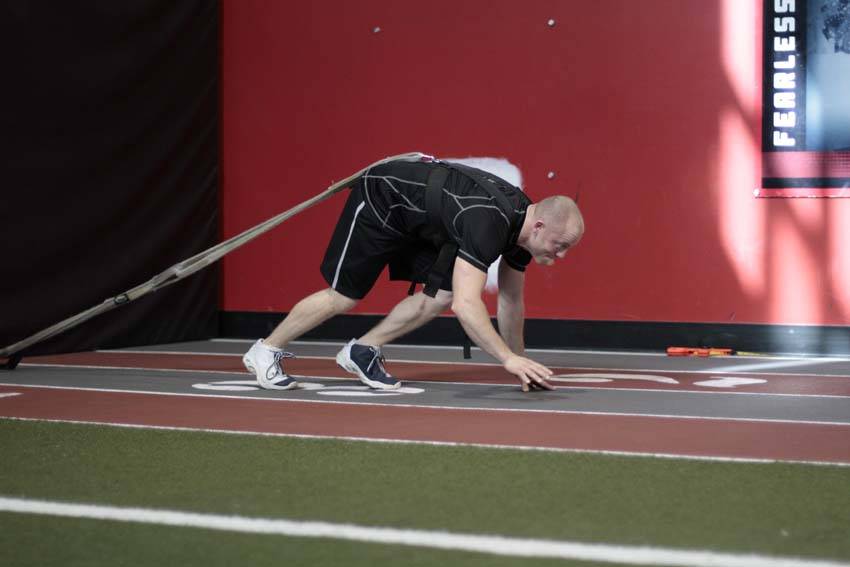
Front Cone Hops (or Hurdle Hops)
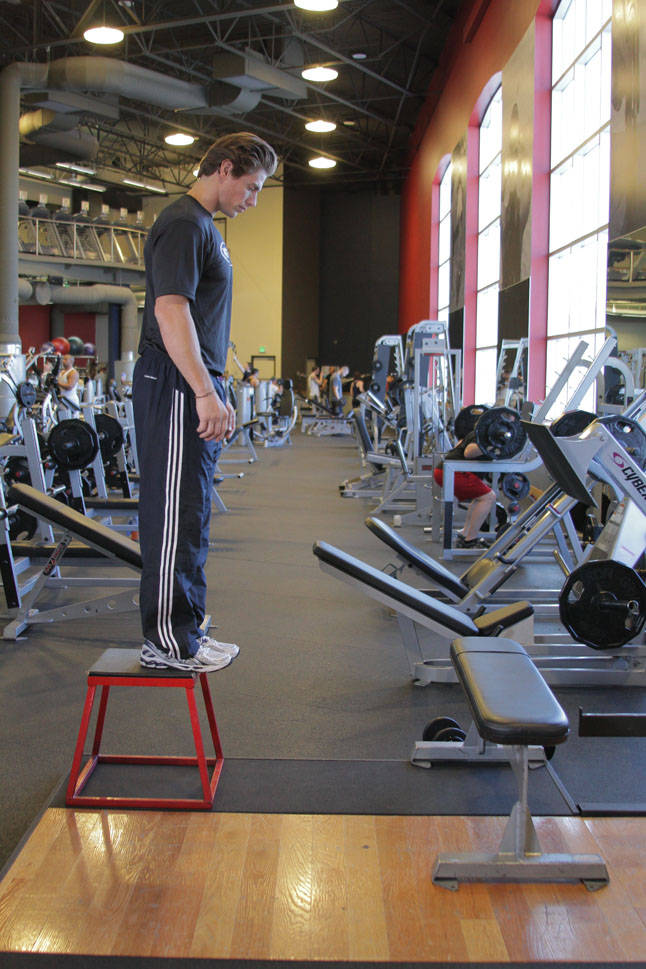
Linear Depth Jump
Head-to-Head Comparison
| Attribute | Front Cone Hops (or Hurdle Hops) | Linear Depth Jump |
|---|---|---|
| Target Muscle |
Quads
|
Quads
|
| Body Part |
Upper-legs
|
Upper-legs
|
| Equipment |
Other
|
Other
|
| Difficulty |
Advanced
|
Advanced
|
| Movement Type |
Compound
|
Compound
|
| Secondary Muscles |
5
|
3
|
Secondary Muscles Activated
Front Cone Hops (or Hurdle Hops)
Linear Depth Jump
Visual Comparison
Overview
Front Cone Hops (or Hurdle Hops) vs Linear Depth Jump — if you want stronger, more powerful quads, these two advanced plyometrics offer different routes. You’ll learn how each exercise loads the quadriceps, which secondary muscles get involved, what equipment and setup you need, concrete technique cues, and which drill fits specific goals like muscle growth, reactive strength, or home training. I’ll also give progressions, rep ranges, and safety steps so you can pick the right drill and execute it with confidence.
Key Differences
- Both exercises target the Quads using Other. The main differences are in their movement patterns and muscle activation angles.
Pros & Cons
Front Cone Hops (or Hurdle Hops)
+ Pros
- Minimal equipment — cones or low hurdles suffice
- Better for multi-directional speed, hip stabilization, and adductor/abductor strength
- Lower single-impact forces, easier to scale for volume work
- Great for agility and repeated explosive efforts (10–30 s bouts)
− Cons
- Less peak reactive power compared with high‑intensity depth jumps
- Can induce high cumulative fatigue if performed in long sets
- Technique still advanced — poor knee tracking increases injury risk
Linear Depth Jump
+ Pros
- Maximizes reactive strength and peak quad power via high vertical force
- Short ground contact trains rate of force development and neural drive
- Straightforward intensity progression by adjusting drop height
- Excellent transfer to sprint acceleration and vertical jump improvement
− Cons
- Higher impact forces increase acute injury risk if technique or landing surface is poor
- Requires a safe box/platform and space
- Not ideal for long repeated sets due to high CNS and joint stress
When Each Exercise Wins
Front cone hops create more cumulative time under tension across repeated SSC cycles and recruit stabilizers (adductors/abductors) that increase overall upper‑leg workload. For true hypertrophy, pair them with controlled eccentrics and 6–12 heavy strength sets to get optimal quad growth.
Depth jumps elicit higher peak forces and faster rate of force development, which improves neural drive and reactive strength transfer to maximal lifts and jumps. Use 3–5 reps, 3–5 sets, and progress drop height carefully (start 20–30 cm).
Cone hops are easier to scale, teach rhythm and knee tracking, and produce lower single‑impact loads. Start with low hurdles, short distances (0.5–1 m), and sets of 6–10 repetitions.
Cone hops need minimal gear and small space, making them ideal for home use. You can adjust spacing and duration without risky drop platforms.
Frequently Asked Questions
Can I do both Front Cone Hops (or Hurdle Hops) and Linear Depth Jump in the same workout?
Yes — but sequence matters. Do depth jumps early when your nervous system is fresh to target reactive power, then use cone hops later for volume and agility. Limit total high‑intensity plyo reps to 12–20 per session to manage fatigue and injury risk.
Which exercise is better for beginners?
Front Cone Hops (or Hurdle Hops) are better for beginners because they’re easier to scale and teach hip/knee control with lower single‑impact forces. Start with low hurdles, short distances, and focus on soft, balanced landings before increasing speed or height.
How do the muscle activation patterns differ?
Depth jumps produce short, high‑amplitude quad activation with very fast SSC and high peak vertical force, favoring rate of force development. Front cone hops use repeated moderate‑amplitude activations over longer contacts and recruit more lateral hip stabilizers due to change‑of‑direction demands.
Can Linear Depth Jump replace Front Cone Hops (or Hurdle Hops)?
Not entirely — depth jumps can replace cone hops if your goal is pure reactive power, but they lack the lateral stabilization and repeated conditioning benefits of cone hops. Choose depth jumps for short, high‑force sessions and cone hops for agility, volume, and accessibility.
Expert Verdict
Use Front Cone Hops (or Hurdle Hops) when you want repeated explosive work, multi‑directional control, and a scalable home or field option that taxes quads plus hip stabilizers. Aim for 3–6 sets of 6–12 hops, cones 0.5–1 m apart, and cue soft landings with knees tracking toes. Choose Linear Depth Jumps when your priority is peak reactive power and short ground contact training — start with 20–30 cm drops, 3–5 reps, 3–5 sets, and focus on immediate rebound. Always prioritize landing mechanics (hips back, chest up, midfoot contact) and progress load slowly to limit joint stress.
Also Compare
More comparisons with Front Cone Hops (or Hurdle Hops)
More comparisons with Linear Depth Jump
Compare More Exercises
Use our free comparison tool to analyze any two exercises head-to-head.
Compare Exercises