

Assisted Prone Lying Quads Stretch vs Linear Depth Jump: Complete Comparison Guide
Assisted Prone Lying Quads Stretch vs Linear Depth Jump — pick the right tool for your upper-leg work. If you want clear choices, I'll compare muscle activation, equipment needs, learning curve, injury risk, and practical use-cases so you can choose exercises that match your goals. You’ll get technique cues (body positioning, joint angles), rep ranges (stretch holds and plyo sets), and biomechanics explanations (length-tension, stretch-shortening cycle) to apply immediately. Read on to learn when the isolation stretch supports range-of-motion and muscle remodeling, and when the explosive depth jump builds reactive force for sport.
Exercise Comparison
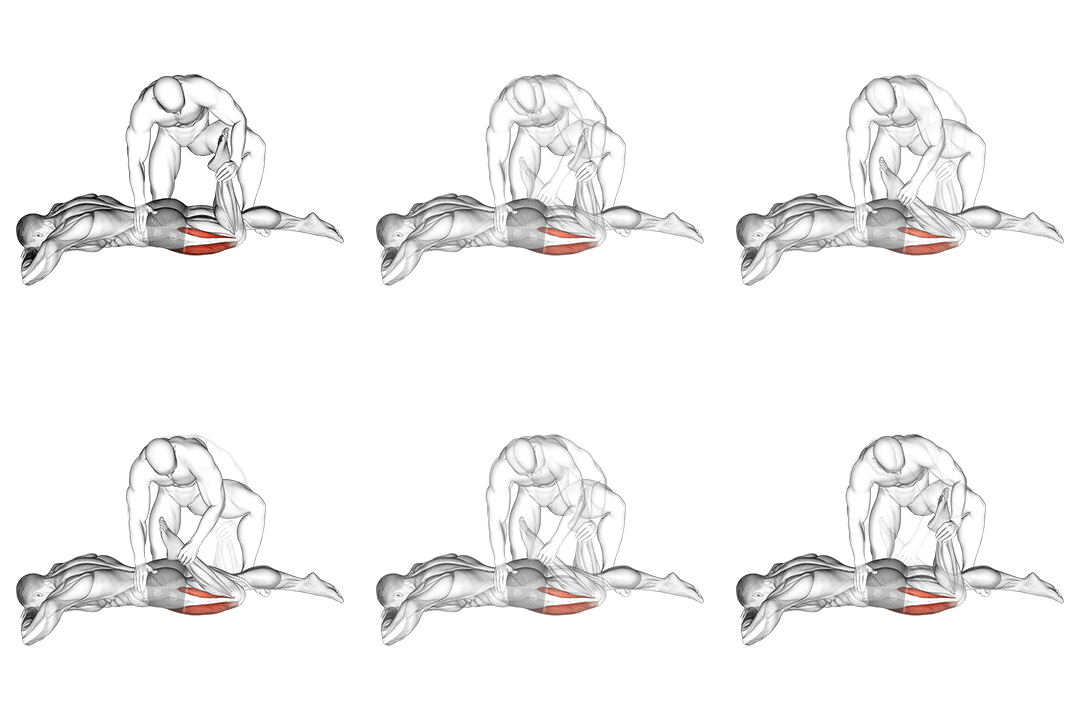
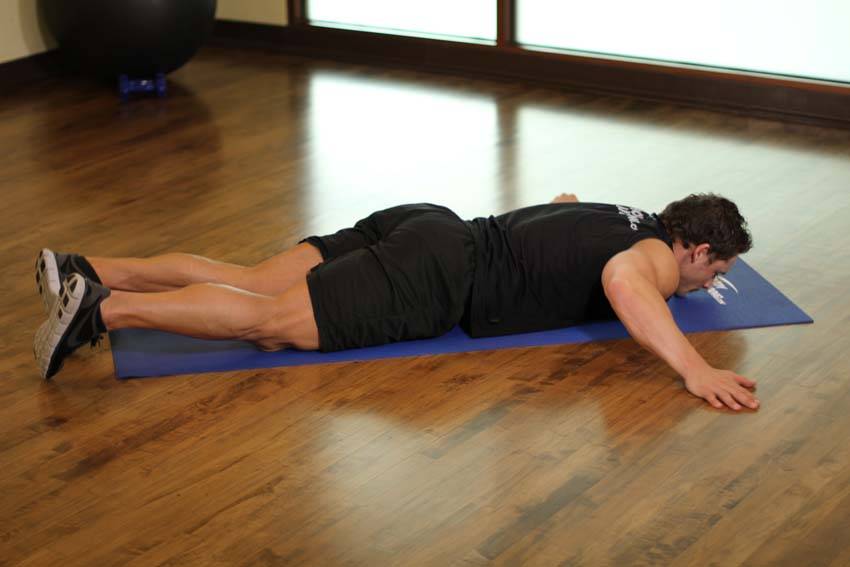
Assisted Prone Lying Quads Stretch
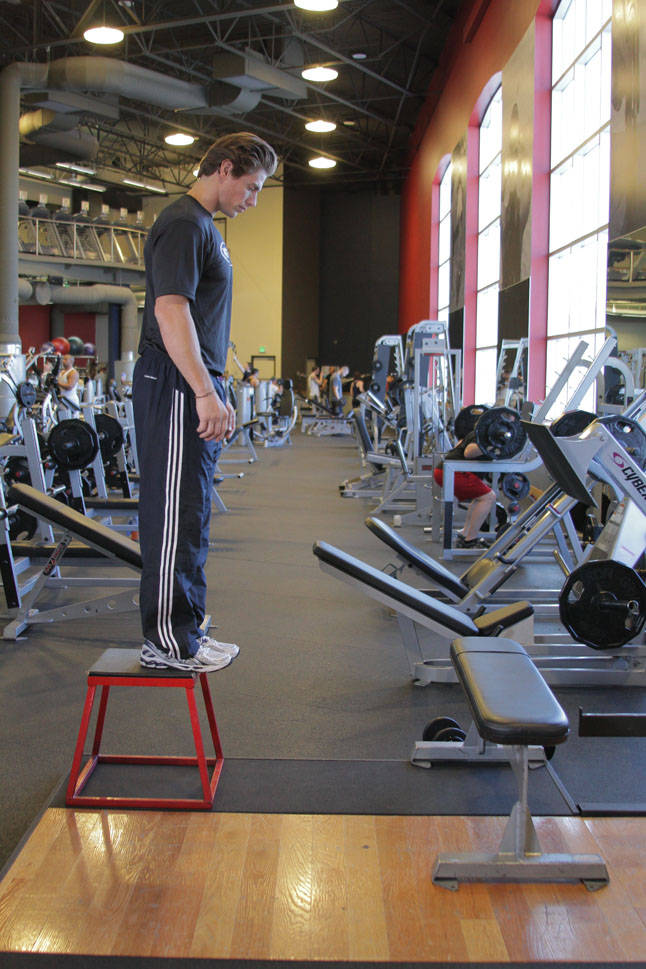
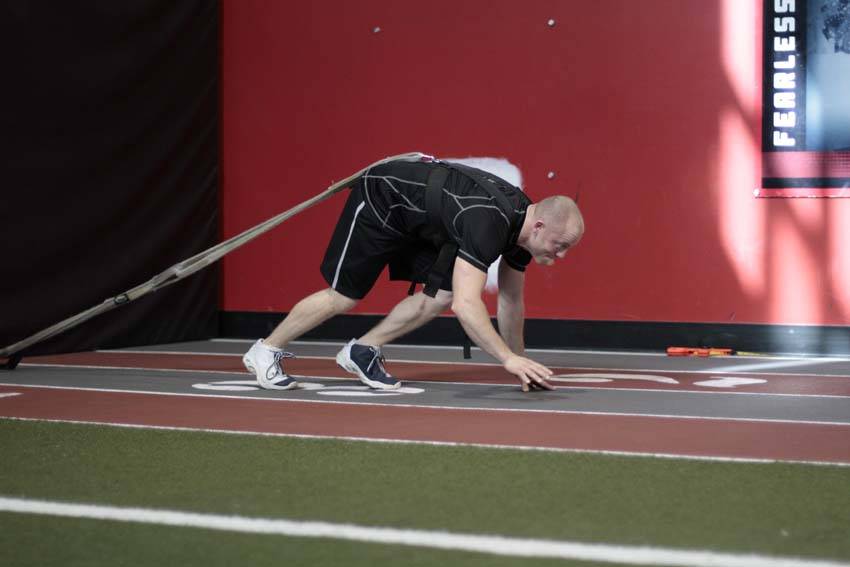
Linear Depth Jump
Head-to-Head Comparison
| Attribute | Assisted Prone Lying Quads Stretch | Linear Depth Jump |
|---|---|---|
| Target Muscle |
Quads
|
Quads
|
| Body Part |
Upper-legs
|
Upper-legs
|
| Equipment |
Other
|
Other
|
| Difficulty |
Beginner
|
Advanced
|
| Movement Type |
Isolation
|
Compound
|
| Secondary Muscles |
2
|
3
|
Secondary Muscles Activated
Assisted Prone Lying Quads Stretch
Linear Depth Jump
Visual Comparison
Overview
Assisted Prone Lying Quads Stretch vs Linear Depth Jump — pick the right tool for your upper-leg work. If you want clear choices, I'll compare muscle activation, equipment needs, learning curve, injury risk, and practical use-cases so you can choose exercises that match your goals. You’ll get technique cues (body positioning, joint angles), rep ranges (stretch holds and plyo sets), and biomechanics explanations (length-tension, stretch-shortening cycle) to apply immediately. Read on to learn when the isolation stretch supports range-of-motion and muscle remodeling, and when the explosive depth jump builds reactive force for sport.
Key Differences
- Assisted Prone Lying Quads Stretch is an isolation exercise, while Linear Depth Jump is a compound movement.
- Difficulty levels differ: Assisted Prone Lying Quads Stretch is beginner, while Linear Depth Jump is advanced.
- Both exercises target the Quads using Other. The main differences are in their movement patterns and muscle activation angles.
Pros & Cons
Assisted Prone Lying Quads Stretch
+ Pros
- Low equipment and easy to perform almost anywhere
- Improves quads length-tension relationship and knee extension ROM
- Low impact with minimal acute injury risk
- Useful adjunct to hypertrophy and rehab programs for end-range conditioning
− Cons
- Does not provide significant load for force or power development
- Limited carryover to explosive athletic tasks when used alone
- Can aggravate anterior knee pain if done with excessive force or poor pelvic control
Linear Depth Jump
+ Pros
- Develops reactive strength and rate of force development (RFD)
- High peak quad, glute, and calf recruitment for sport performance
- Easily progressed by increasing drop height or adding horizontal approach
- Direct carryover to sprinting and jumping mechanics
− Cons
- Requires proper surface, box, and plyometric readiness
- Higher risk of landing-related injuries if technique is poor
- Not suitable for most beginners or those with uncontrolled knee/ankle issues
When Each Exercise Wins
The stretch wins as an adjunct for hypertrophy because it increases time-under-tension at long muscle lengths and improves ROM, which lets you load the quads more effectively in compound lifts. Use 3–4 sets of 30–60s holds after resistance work and pair with 6–12 rep squats for best muscle growth outcomes.
Linear Depth Jump builds reactive strength and improves rate of force development that transfers to heavier lifts and dynamic strength tasks. Integrate 3–6 sets of 3–6 explosive reps with controlled drop heights (20–40 cm initially) to enhance concentric force production.
The prone stretch is beginner-friendly—low impact, simple cues (pelvis neutral, knee tracking), and useful for increasing ROM before loading. Beginners should focus on 20–40s holds and mastering joint alignment before introducing plyometrics.
At home you likely lack a safe box and landing surface; the assisted stretch needs only a strap or partner and a mat. It provides measurable mobility benefits and supports home strength work without specialized gear.
Frequently Asked Questions
Can I do both Assisted Prone Lying Quads Stretch and Linear Depth Jump in the same workout?
Yes. Use the prone quads stretch as a mobility primer or cool-down and place depth jumps earlier in the session after a dynamic warm-up. Keep plyo volume low (3–6 sets of 3–6 reps) and perform stretches later to avoid reducing explosive output.
Which exercise is better for beginners?
Assisted Prone Lying Quads Stretch is better for beginners because it teaches pelvic and knee alignment, poses low injury risk, and improves ROM. Beginners should master joint control and stability before progressing to plyometrics like depth jumps.
How do the muscle activation patterns differ?
The stretch elicits prolonged, low-amplitude quad activation at long muscle lengths, increasing passive tension and end-range conditioning. The depth jump causes high-amplitude, short-duration eccentric braking followed by explosive concentric activation, maximizing RFD and fast-twitch recruitment.
Can Linear Depth Jump replace Assisted Prone Lying Quads Stretch?
No. Depth jumps cannot replace the stretch’s mobility and end-range conditioning role. If your priority is reactive power, use depth jumps, but retain the stretch to preserve ROM and reduce injury risk during loaded knee-extension training.
Expert Verdict
Use the Assisted Prone Lying Quads Stretch when your goal is to improve quadriceps length-tension, restore end-range knee extension, or add low-impact isolation work to a hypertrophy or rehab plan. It’s accessible, low risk, and enhances ROM so compound lifts load the quads through a fuller range. Choose the Linear Depth Jump when you need to develop reactive power, rate of force development, and sport-specific explosiveness—start with small drop heights (20–40 cm), focus on soft but fast landings, and limit volume to 3–6 sets of 3–6 reps. For most lifters, pair the stretch for mobility and recovery with periodic depth jumps for powered strength.
Also Compare
More comparisons with Assisted Prone Lying Quads Stretch

Compare More Exercises
Use our free comparison tool to analyze any two exercises head-to-head.
Compare Exercises