

Assisted Prone Rectus Femoris Stretch vs Linear Depth Jump: Complete Comparison Guide
Assisted Prone Rectus Femoris Stretch vs Linear Depth Jump — you’re comparing a beginner-level, quad-focused isolation stretch with an advanced, explosive compound plyometric. If you want clear guidance, this guide breaks down primary and secondary muscle activation, equipment and setup, technical cues, risk factors, and which exercise to pick for flexibility, power, or general training. Read on and you’ll get specific rep and hold ranges, joint-angle cues (knee ~90–120° for the stretch; box height 30–60 cm for depth jumps), and biomechanical reasoning to help you choose the right tool for your goal.
Exercise Comparison
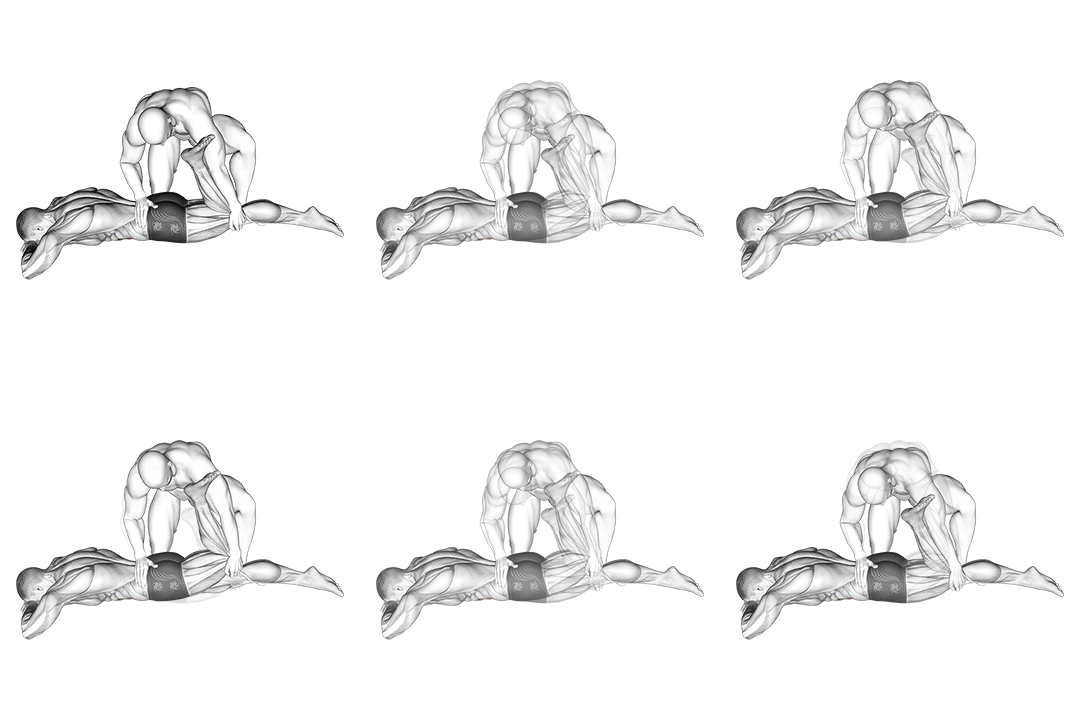
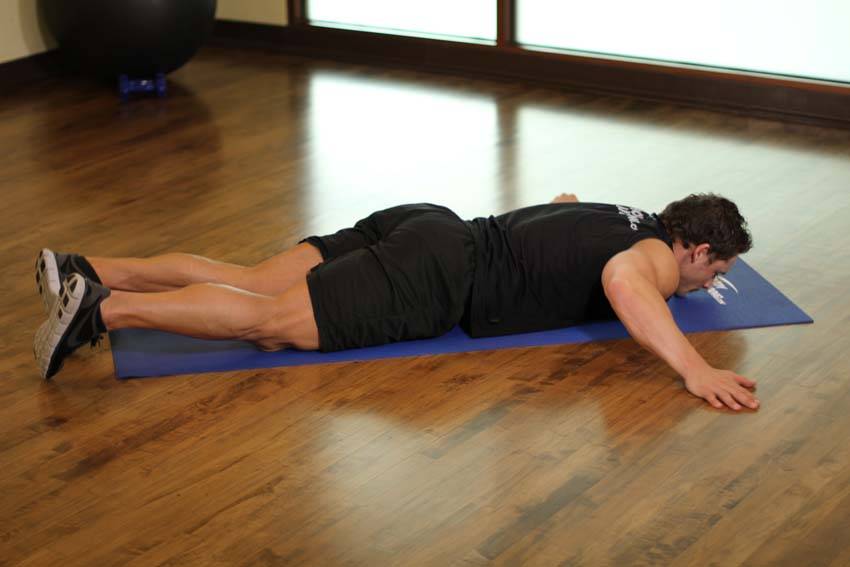
Assisted Prone Rectus Femoris Stretch
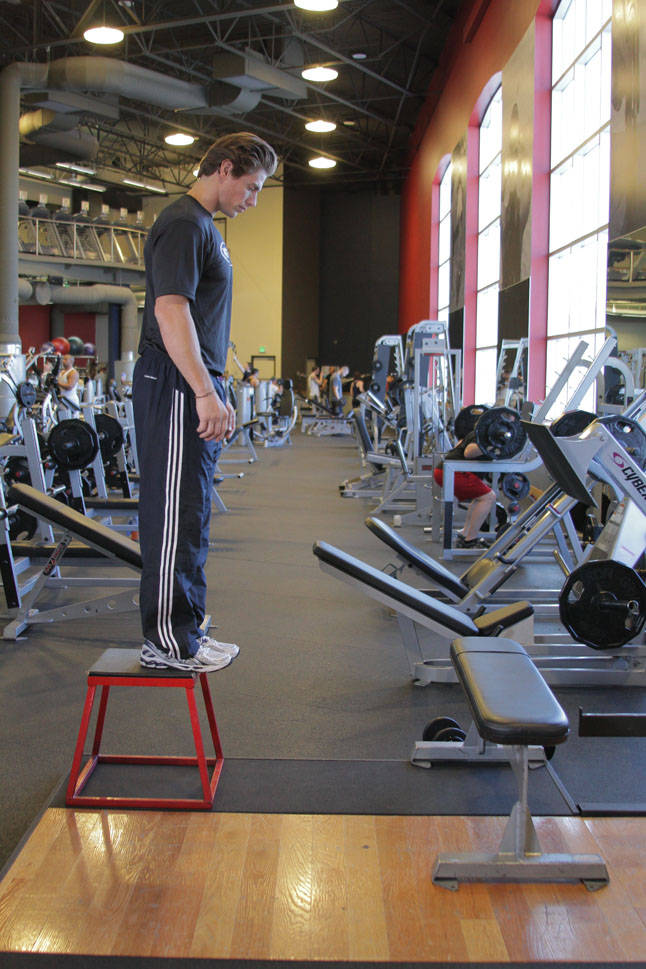
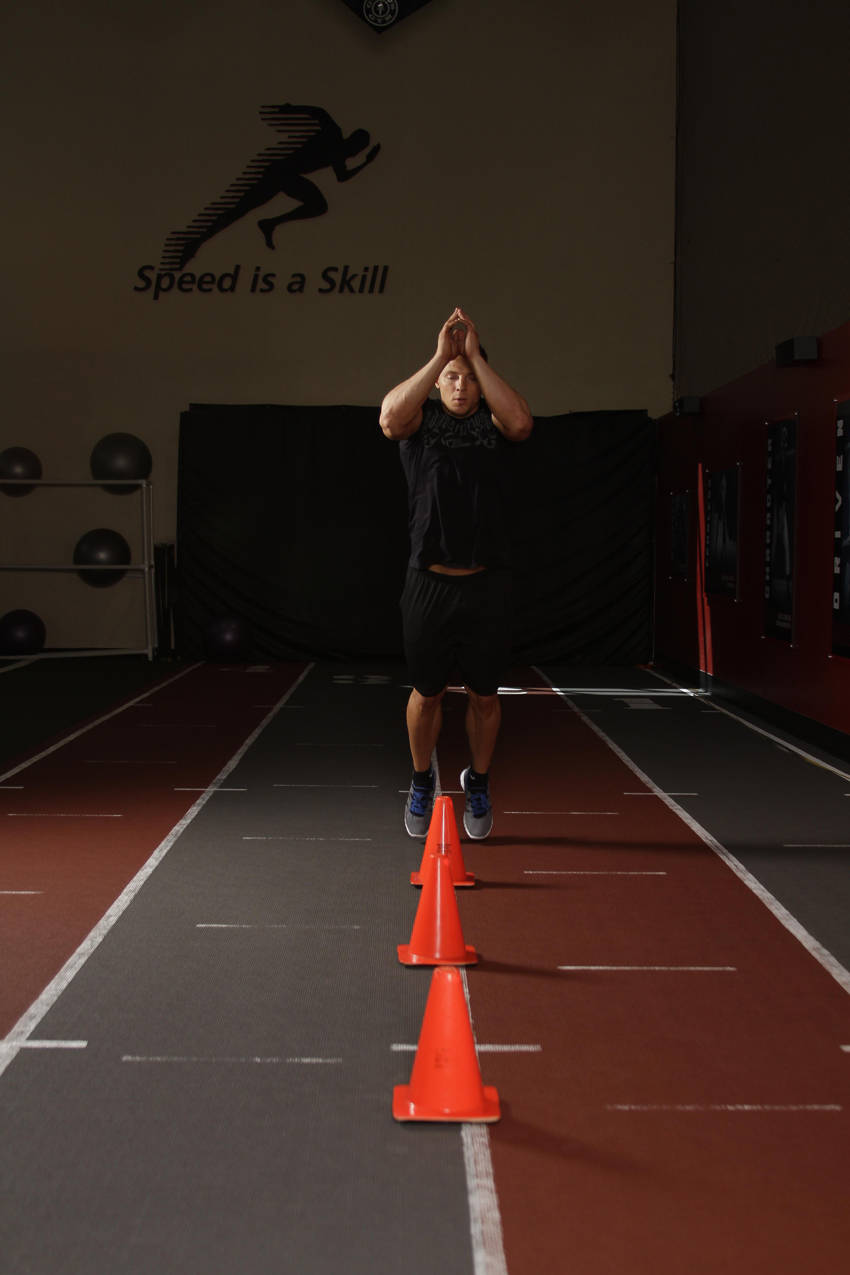
Linear Depth Jump
Head-to-Head Comparison
| Attribute | Assisted Prone Rectus Femoris Stretch | Linear Depth Jump |
|---|---|---|
| Target Muscle |
Quads
|
Quads
|
| Body Part |
Upper-legs
|
Upper-legs
|
| Equipment |
Other
|
Other
|
| Difficulty |
Beginner
|
Advanced
|
| Movement Type |
Isolation
|
Compound
|
| Secondary Muscles |
1
|
3
|
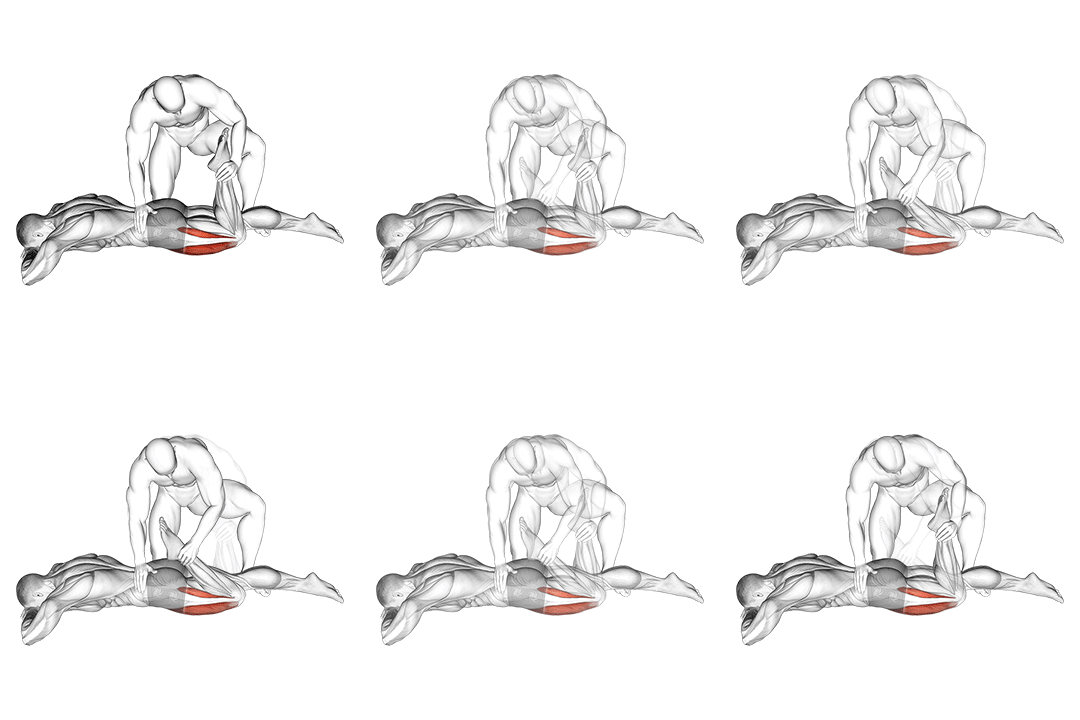
Secondary Muscles Activated
Assisted Prone Rectus Femoris Stretch
Linear Depth Jump
Visual Comparison
Overview
Assisted Prone Rectus Femoris Stretch vs Linear Depth Jump — you’re comparing a beginner-level, quad-focused isolation stretch with an advanced, explosive compound plyometric. If you want clear guidance, this guide breaks down primary and secondary muscle activation, equipment and setup, technical cues, risk factors, and which exercise to pick for flexibility, power, or general training. Read on and you’ll get specific rep and hold ranges, joint-angle cues (knee ~90–120° for the stretch; box height 30–60 cm for depth jumps), and biomechanical reasoning to help you choose the right tool for your goal.
Key Differences
- Assisted Prone Rectus Femoris Stretch is an isolation exercise, while Linear Depth Jump is a compound movement.
- Difficulty levels differ: Assisted Prone Rectus Femoris Stretch is beginner, while Linear Depth Jump is advanced.
- Both exercises target the Quads using Other. The main differences are in their movement patterns and muscle activation angles.
Pros & Cons
Assisted Prone Rectus Femoris Stretch
+ Pros
- Directly targets rectus femoris length via combined hip extension and knee flexion
- Minimal equipment and low skill requirement
- Reduces anterior hip tension and improves knee flexion ROM with 30–60s holds
- Safe for controlled rehabilitation and prehab when performed with neutral pelvis
− Cons
- Does not build concentric strength or power
- Limited stimulus for multi-joint coordination or posterior chain
- Too passive for athletes needing explosive force production
Linear Depth Jump
+ Pros
- Highly effective for developing reactive strength and concentric power
- Loads quads eccentrically and concentrically through the SSC
- Improves rate of force development and jump performance
- Transfers to sport tasks requiring quick ground contact and vertical force
− Cons
- Higher injury risk if landing mechanics are poor or box too high
- Requires coaching, space, and safe surfaces
- Demands high baseline strength and joint tolerance
When Each Exercise Wins
Depth jumps produce higher mechanical stress and repeated eccentric–concentric cycles that stimulate hypertrophy in quads when combined with sufficient volume. Use 3–6 sets of 6–10 loaded or repeated jumps alongside strength work for best hypertrophy outcomes.
Depth jumps train rate of force development and high-threshold motor unit recruitment, improving functional strength and power. Pair with heavy squats and controlled plyometrics to maximize neural adaptations.
The stretch is low-skill, low-impact, and helps correct limited knee flexion or anterior hip tightness before progressing to loaded or ballistic drills. Hold 30–60 seconds, 2–3 times per side to establish mobility safely.
Requires only a mat, strap, or partner and small space, making it ideal for home use. Depth jumps demand a stable box and safe landing area that many home settings lack.
Frequently Asked Questions
Can I do both Assisted Prone Rectus Femoris Stretch and Linear Depth Jump in the same workout?
Yes. Do the stretch earlier to improve muscle length and tissue readiness—2–3 holds of 30–60 seconds per side—then perform depth jumps later in the session when you’re warmed up. Avoid heavy plyometrics immediately after intense eccentric loading to reduce cumulative fatigue.
Which exercise is better for beginners?
The Assisted Prone Rectus Femoris Stretch is better for beginners due to low technical demand and low injury risk. It helps correct mobility constraints that often limit safe plyometric progressions.
How do the muscle activation patterns differ?
The stretch produces passive lengthening with low active EMG in the rectus femoris, shifting the muscle on the length–tension curve. The depth jump generates high eccentric then concentric activation with substantial quad EMG and co-activation of calves, glutes, and hamstrings during the SSC.
Can Linear Depth Jump replace Assisted Prone Rectus Femoris Stretch?
No—depth jumps cannot replace the stretch if your goal is improving rectus femoris flexibility or addressing range-of-motion limits. Use the stretch to restore length and the depth jump to build power once adequate mobility and strength are present.
Expert Verdict
Use the Assisted Prone Rectus Femoris Stretch when your priority is increasing rectus femoris length, improving knee flexion ROM, or rehabbing anterior thigh tightness; it’s low-risk and easy to program (30–60s holds, 2–3 sets). Choose Linear Depth Jump when your goal is power, reactive strength, and sport-specific explosiveness—start with 30–45 cm drops, 3–6 sets of 3–8 reps, and ensure coaching on landing mechanics and <200 ms ground contact. For a balanced program, build mobility first with the stretch, then introduce progressive depth jumps as strength and technique allow.
Also Compare
More comparisons with Assisted Prone Rectus Femoris Stretch
Compare More Exercises
Use our free comparison tool to analyze any two exercises head-to-head.
Compare Exercises