

10 Best Stationary Bike Walk Alternatives for Home and Gym
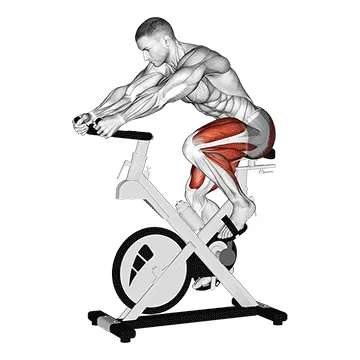
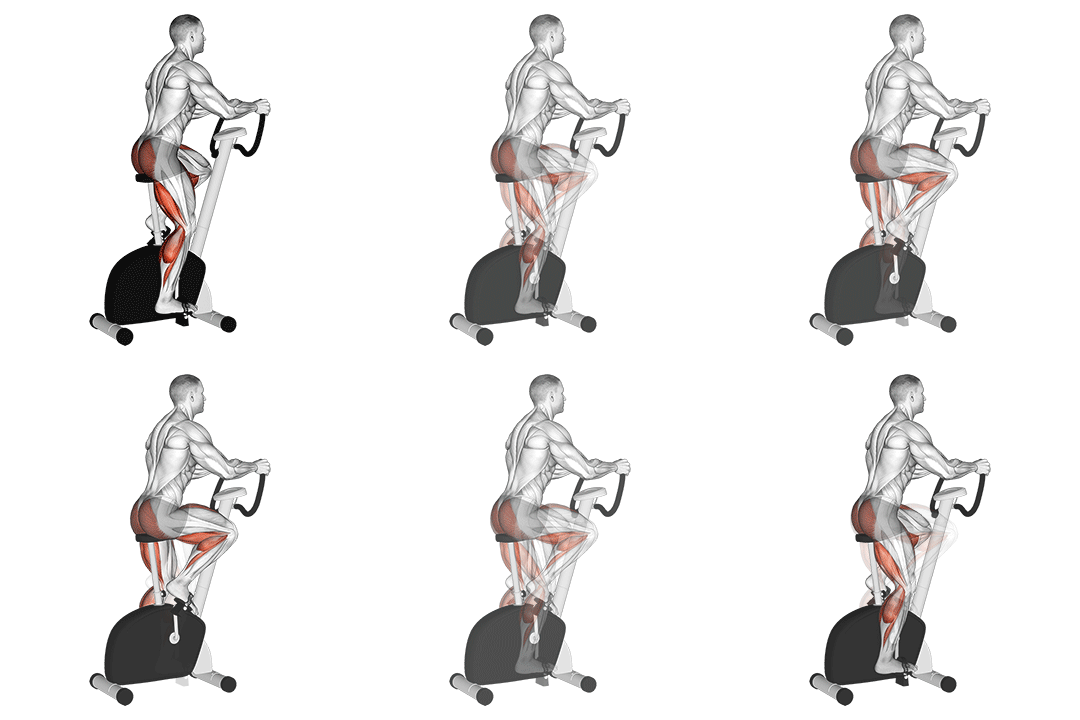
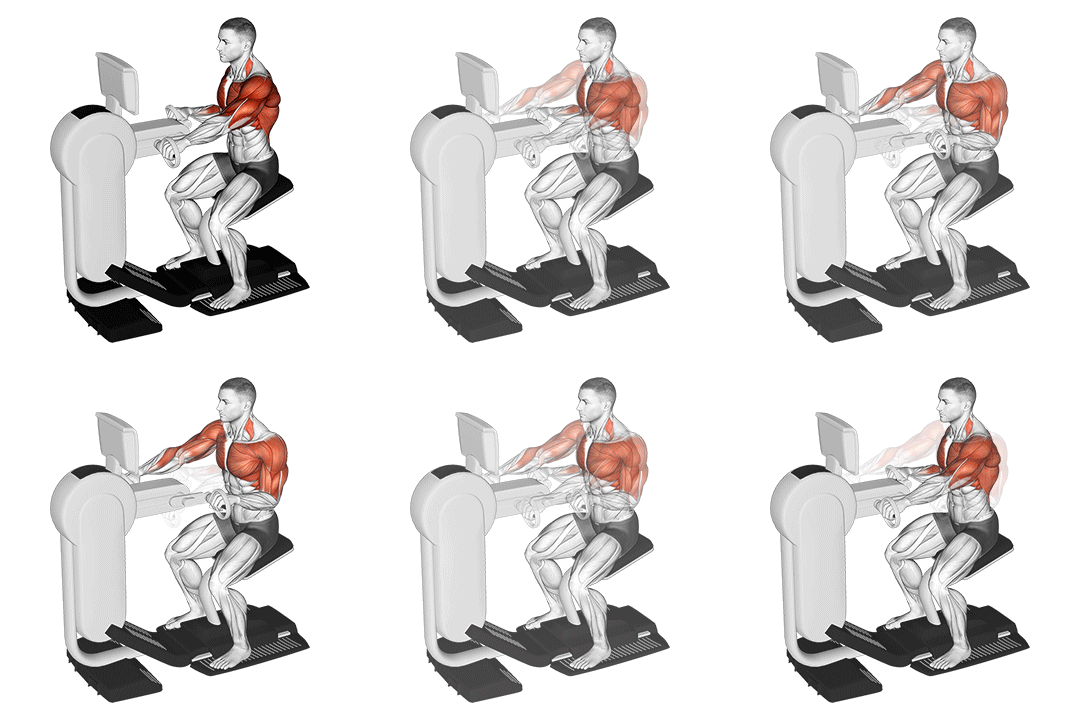
The Stationary Bike Walk is done seated with a machine. Ranked closest by our scoring: the Walk Elliptical Cross Trainer, the Stationary Bike Run and the Cycle Cross Trainer.
Updated Ranked by our 12-factor similarity model How it works
Original Exercise: Stationary Bike Walk
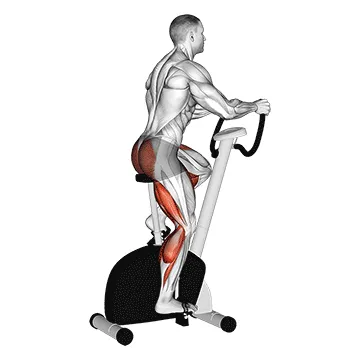
- Primary muscle
- Cardio
- Equipment
- Machine
- Difficulty
- Beginner
- Type
- Compound
Secondary muscles: Quadriceps, Hamstrings, Calves
How to perform Stationary Bike Walk
- Adjust the seat height and position on the stationary bike to ensure proper alignment.
- Place your feet on the pedals and secure them with the straps if available.
- Start pedaling at a comfortable pace, keeping your back straight and core engaged.
- Maintain a steady rhythm and increase the resistance level if desired.
- Continue pedaling for the desired duration of your cardio workout.
- Cool down by gradually reducing your pace and resistance level.
- Stretch your leg muscles after the workout to prevent tightness and promote recovery.
Ranked Stationary Bike Walk Alternatives
10 substitutes, ranked by how closely each one matches the Stationary Bike Walk on movement pattern, muscles worked, equipment and body position. The higher the score, the less you change. Open "How to perform this exercise" on a card for the steps; every card title links to that exercise's own alternatives page.
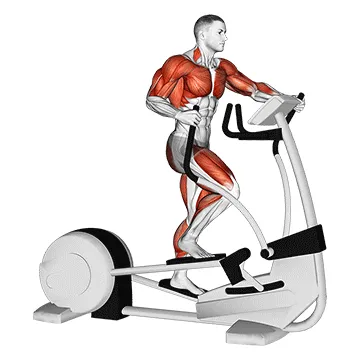
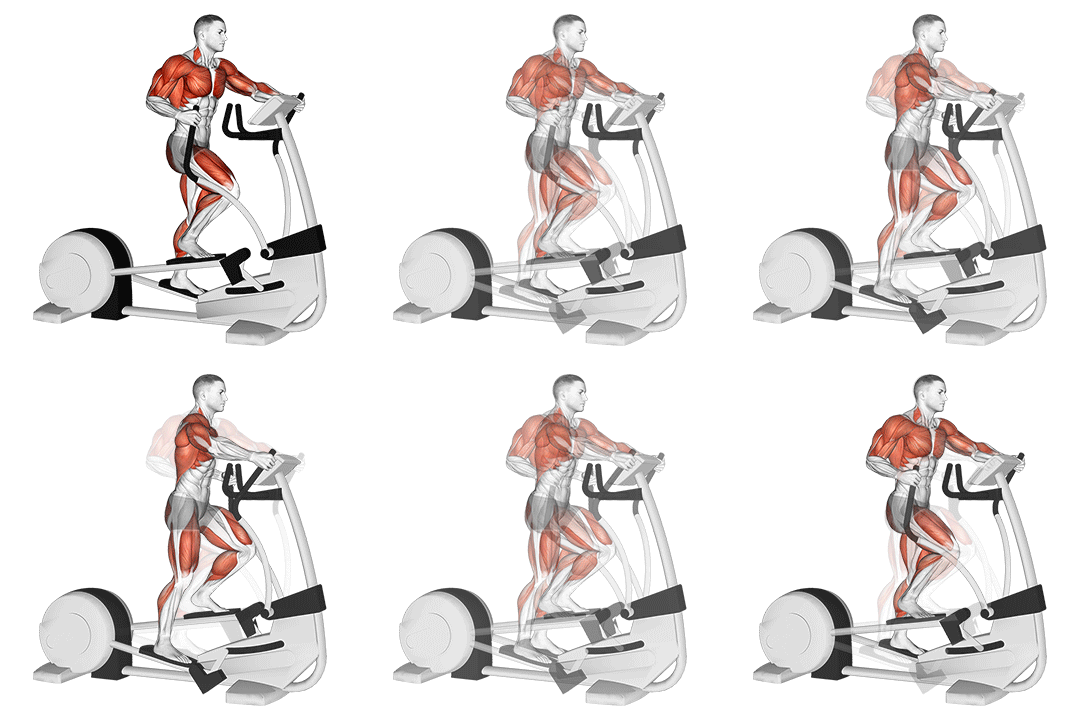
Best match 1. Walk Elliptical Cross Trainer
86% match- Cardio
- Machine
- Beginner
- Isolation
The same equipment, done standing instead.
How to perform this exercise
- Adjust the resistance level and incline of the elliptical machine to your desired settings.
- Step onto the pedals of the machine and grip the handles lightly.
- Begin by pushing down with your feet and pulling the handles towards your body.
- Continue this motion, alternating between pushing and pulling, to simulate a walking or running motion.
- Maintain a steady pace and keep your core engaged throughout the exercise.
- Continue for the desired duration of your cardio workout.
- Gradually decrease the intensity and speed of the machine before stepping off.
Sets and reps: Carry for 20 to 30 metres and repeat for 3 or 4 rounds.
Why this matches
- Primary muscle: your heart and lungs, the same as the Stationary Bike Walk
- Equipment: a cardio machine, the same as the Stationary Bike Walk
- Body position: standing, not seated
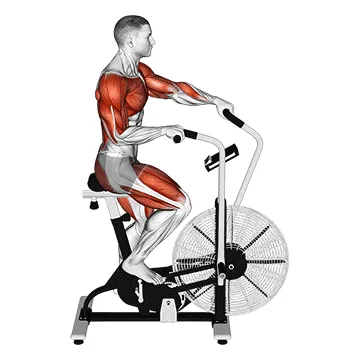
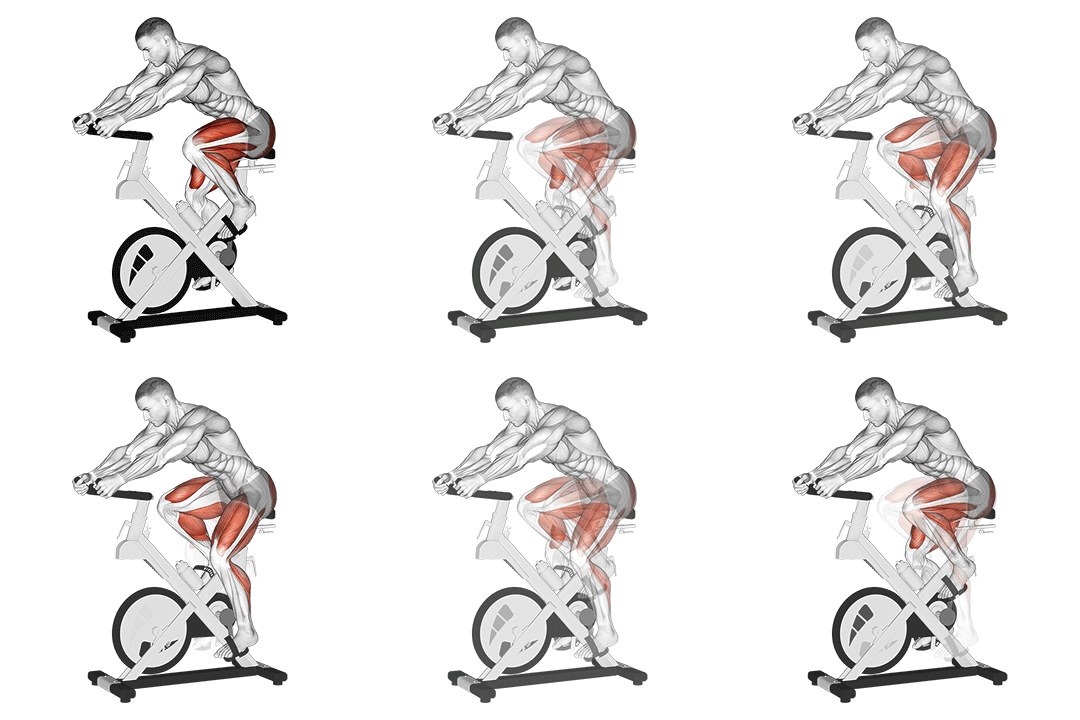
2. Stationary Bike Run
84% match- Cardio
- Other
- Intermediate
- Compound
It still works the heart and lungs, through a different movement.
How to perform this exercise
- Adjust the seat height and position to ensure proper alignment.
- Place your feet on the pedals and secure them with the straps if available.
- Start pedaling at a comfortable pace.
- Maintain a steady rhythm and increase the resistance as desired.
- Engage your core muscles to maintain stability and proper posture.
- Continue pedaling for the desired duration of your workout.
- Gradually decrease the resistance and slow down before coming to a complete stop.
- Stretch your legs and cool down after the workout.
Sets and reps: Work for 30 to 60 seconds, rest as long as you worked, and repeat 6 to 10 times.
Why this matches
- Primary muscle: your heart and lungs, the same as the Stationary Bike Walk
- Equipment: a cardio machine, the same as the Stationary Bike Walk
- Body position: seated, the same as the Stationary Bike Walk
3. Cycle Cross Trainer
70% match- Cardio
- Lever
- Intermediate
- Compound
A good swap when you have a lever machine to work with, and it still works the heart and lungs.
How to perform this exercise
- Adjust the seat height and position yourself on the cycle cross trainer.
- Place your feet on the pedals and grip the handlebars.
- Start pedaling in a smooth and controlled motion.
- Maintain a steady pace and increase the resistance if desired.
- Continue pedaling for the desired duration of your cardio workout.
Sets and reps: Work for 30 to 60 seconds, rest as long as you worked, and repeat 6 to 10 times.
Why this matches
- Primary muscle: your heart and lungs, the same as the Stationary Bike Walk
- Equipment: a cardio machine, the same as the Stationary Bike Walk
- Body position: standing, not seated
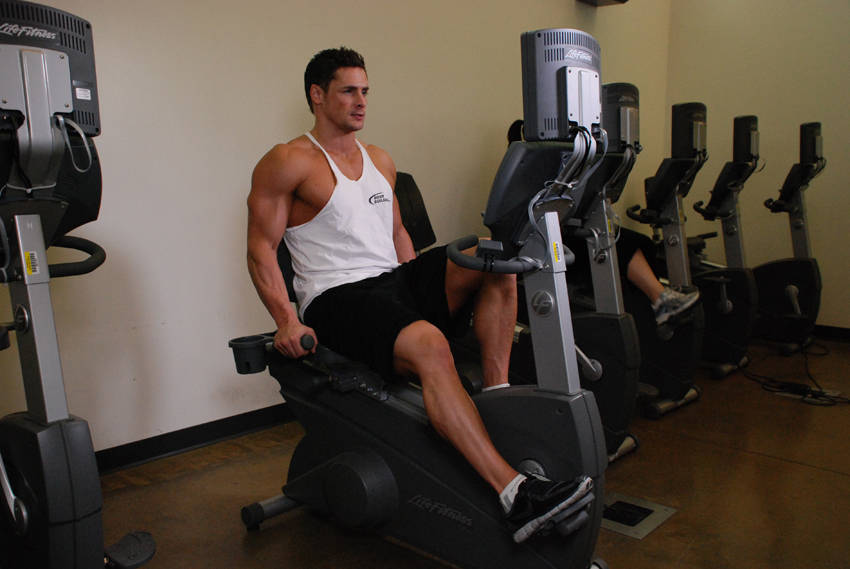
4. Recumbent Bike
66% match- Quads
- Machine
- Beginner
- Compound
A looser match: it uses the same equipment, but it works the quads rather than the heart and lungs.
How to perform this exercise
- To begin, seat yourself on the bike and adjust the seat to your height.
- Select the desired option from the menu. You may have to start pedaling to turn it on. You can use the manual setting, or you can select a program to use. Typically, you can enter your age and weight to estimate the amount of calories burned during exercise. The level of resistance can be changed throughout the workout. The handles can be used to monitor your heart rate to help you stay at an appropriate intensity.
- Recumbent bikes offer convenience, cardiovascular benefits, and have less impact than other activities. A 150 lb person will burn about 230 calories cycling at a moderate rate for 30 minutes, compared to 450 calories or more running.
Sets and reps: Work for 30 to 60 seconds, rest as long as you worked, and repeat 6 to 10 times.
Why this matches
- Primary muscle: quads, not your heart and lungs
- Equipment: a cardio machine, the same as the Stationary Bike Walk
- Body position: seated, the same as the Stationary Bike Walk
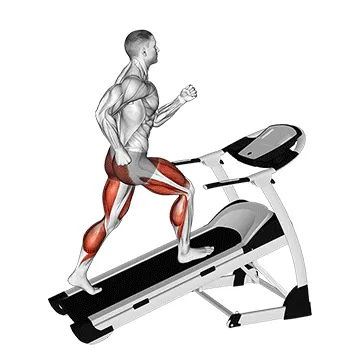
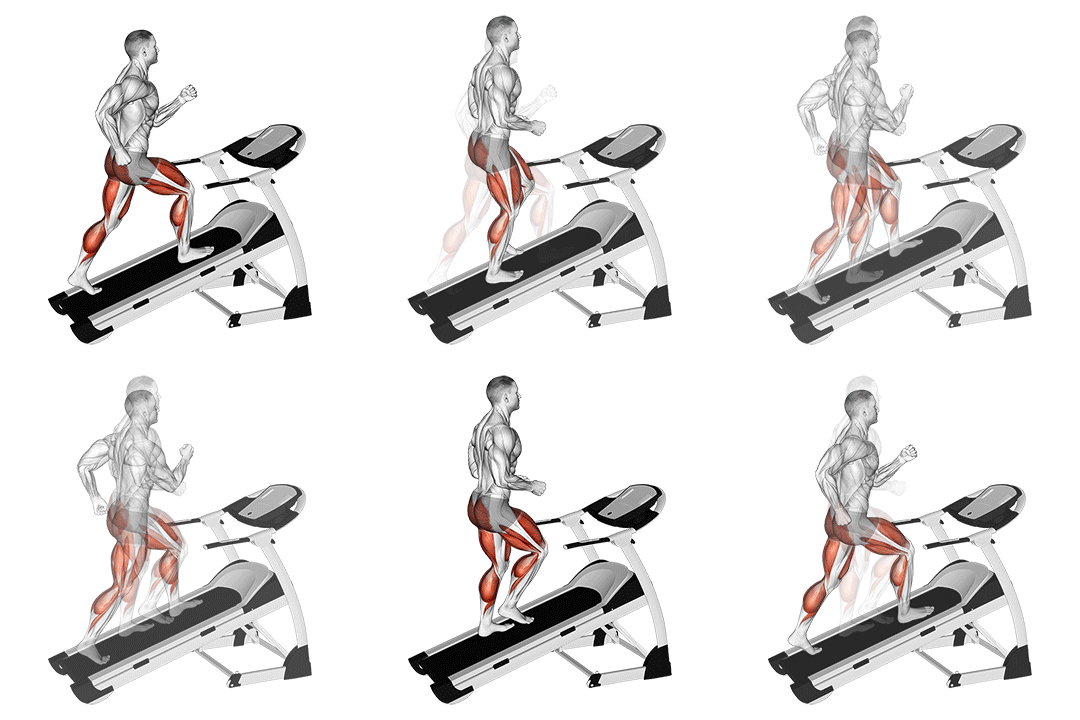
5. Walking On Incline Treadmill
65% match- Cardio
- Lever
- Beginner
- Isolation
How to perform this exercise
- Adjust the incline level on the treadmill to your desired intensity.
- Stand on the treadmill with your feet shoulder-width apart.
- Start walking at a comfortable pace, ensuring that you maintain proper form.
- Engage your core muscles and keep your back straight throughout the exercise.
- Continue walking on the incline treadmill for the desired duration of your cardio workout.
- Gradually decrease the incline and speed of the treadmill to cool down before stopping.
Sets and reps: Carry for 20 to 30 metres and repeat for 3 or 4 rounds.
Why this matches
- Primary muscle: your heart and lungs, the same as the Stationary Bike Walk
- Equipment: a cardio machine, the same as the Stationary Bike Walk
- Body position: standing, not seated
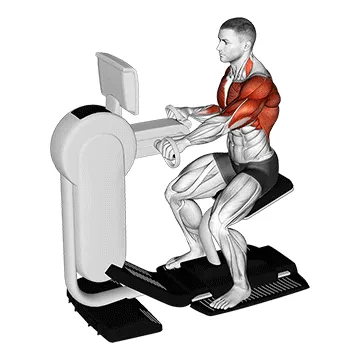
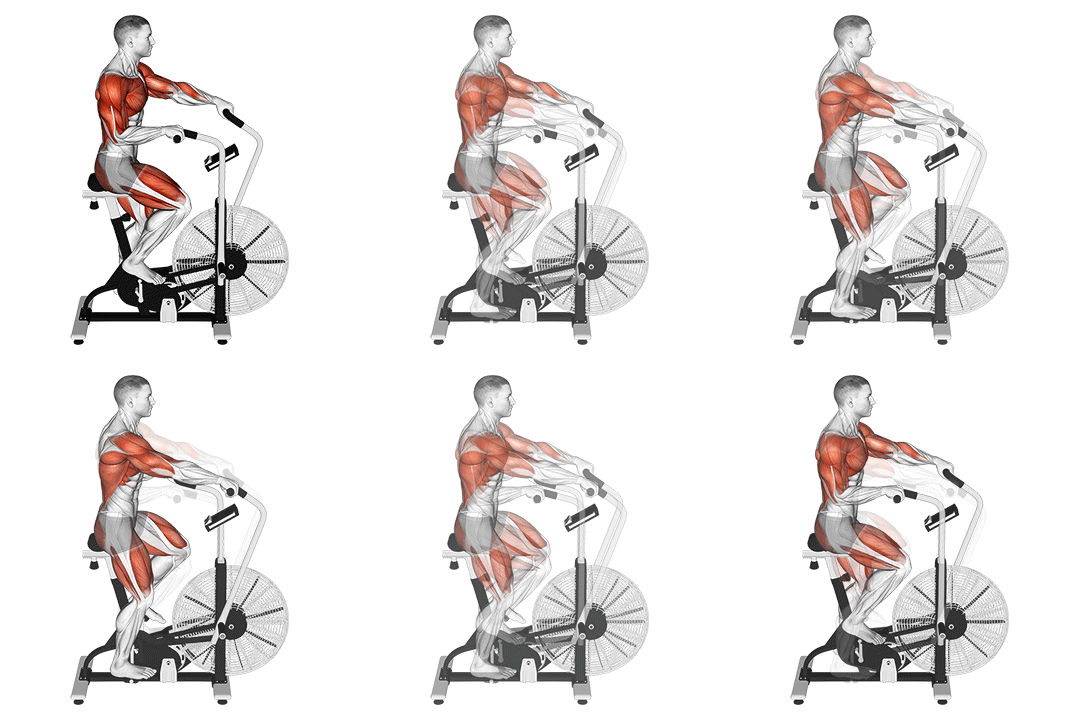
6. Hands Bike
63% match- Pectorals
- Machine
- Beginner
- Isolation
A looser match: it uses the same equipment, but it works the pectorals rather than the heart and lungs.
How to perform this exercise
- Adjust the seat height and handlebar position to a comfortable level.
- Sit on the ergometer with your back straight and feet on the pedals.
- Grasp the handles with your hands and position your arms at a 90-degree angle.
- Start pedaling with your hands, pushing and pulling the handles in a controlled motion.
- Continue pedaling for the desired duration or number of repetitions.
Sets and reps: Work for 30 to 60 seconds, rest as long as you worked, and repeat 6 to 10 times.
Why this matches
- Primary muscle: pectorals, not your heart and lungs
- Equipment: a cardio machine, the same as the Stationary Bike Walk
- Body position: seated, the same as the Stationary Bike Walk
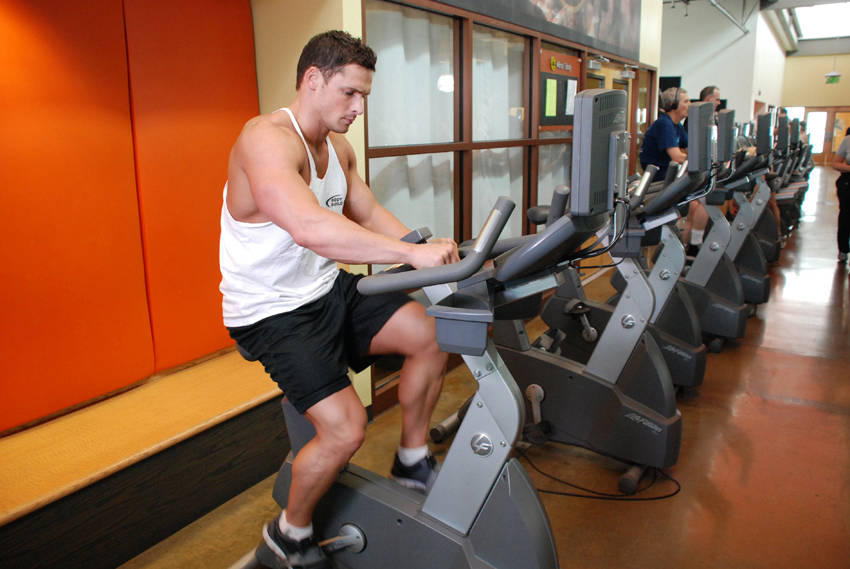
7. Stationary Bicycling
62% match- Quads
- Machine
- Intermediate
- Compound
How to perform this exercise
- To begin, seat yourself on the bike and adjust the seat to your height.
- Select the desired option from the menu. You may have to start pedaling to turn it on. You can use the manual setting, or you can select a program to use. Typically, you can enter your age and weight to estimate the amount of calories burned during exercise. The level of resistance can be changed throughout the workout. The handles can be used to monitor your heart rate to help you stay at an appropriate intensity.
Sets and reps: Work for 30 to 60 seconds, rest as long as you worked, and repeat 6 to 10 times.
Why this matches
- Primary muscle: quads, not your heart and lungs
- Equipment: a cardio machine, the same as the Stationary Bike Walk
- Body position: seated, the same as the Stationary Bike Walk
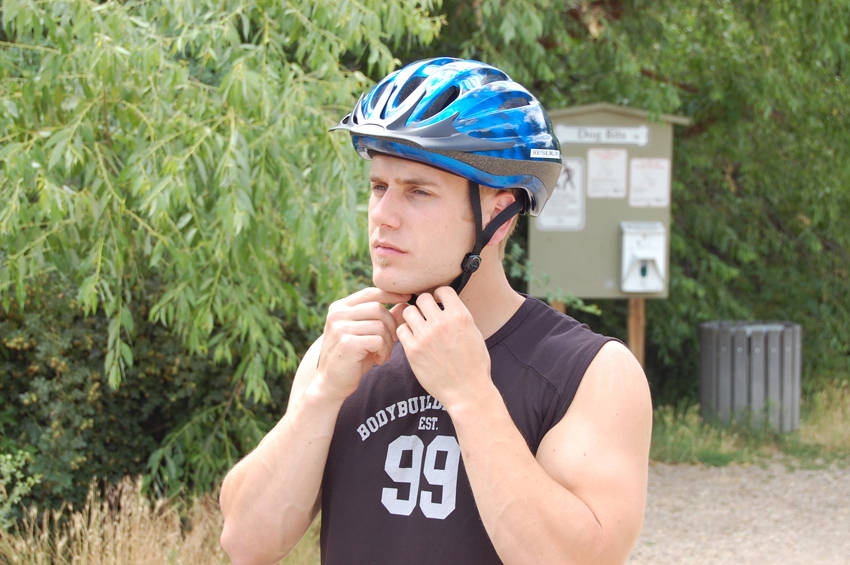
8. Bicycling
62% match- Quads
- Other
- Intermediate
- Compound
How to perform this exercise
- To begin, seat yourself on the bike and adjust the seat to your height.
Sets and reps: Work for 30 to 60 seconds, rest as long as you worked, and repeat 6 to 10 times.
Why this matches
- Primary muscle: quads, not your heart and lungs
- Equipment: a cardio machine, the same as the Stationary Bike Walk
- Body position: seated, the same as the Stationary Bike Walk
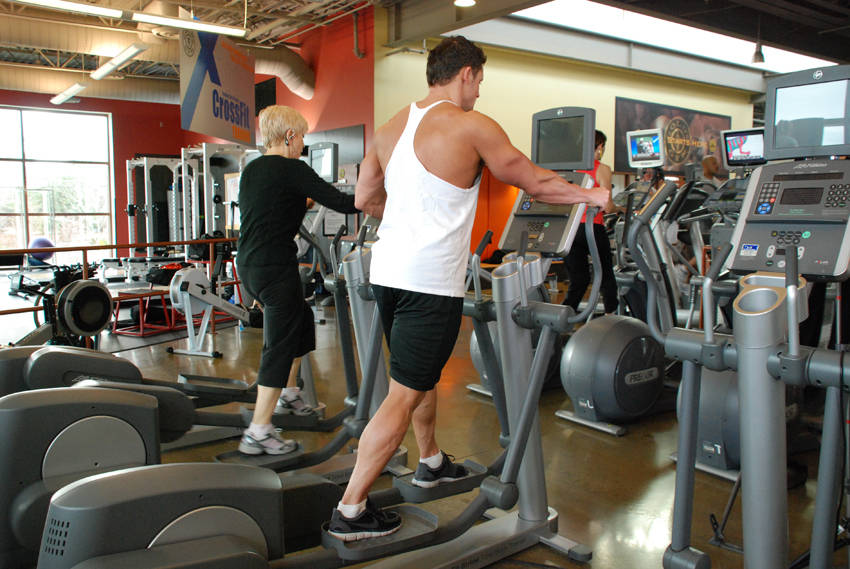
9. Elliptical Trainer
61% match- Quads
- Machine
- Beginner
- Compound
How to perform this exercise
- To begin, step onto the elliptical and select the desired option from the menu. Most ellipticals have a manual setting, or you can select a program to run. Typically, you can enter your age and weight to estimate the amount of calories burned during exercise. Elevation can be adjusted to change the intensity of the workout.
- The handles can be used to monitor your heart rate to help you stay at an appropriate intensity.
Sets and reps: Work for 30 to 60 seconds, rest as long as you worked, and repeat 6 to 10 times.
Why this matches
- Primary muscle: quads, not your heart and lungs
- Equipment: a cardio machine, the same as the Stationary Bike Walk
- Body position: standing, not seated
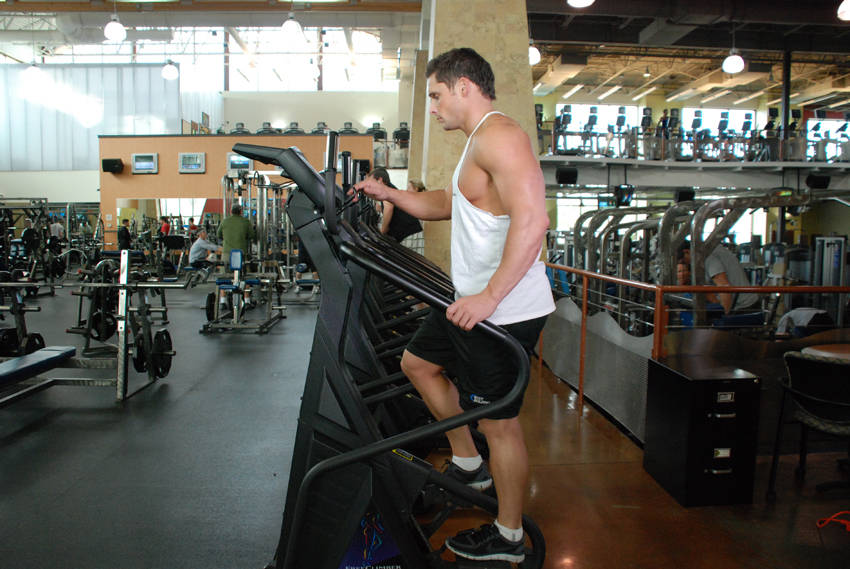
10. Stairmaster
61% match- Quads
- Machine
- Beginner
- Compound
How to perform this exercise
- To begin, step onto the stairmaster and select the desired option from the menu. You can choose a manual setting, or you can select a program to run. Typically, you can enter your age and weight to estimate the amount of calories burned during exercise.
- Pump your legs up and down in an established rhythm, driving the pedals down but not all the way to the floor. It is recommended that you maintain your grip on the handles so that you don't fall. The handles can be used to monitor your heart rate to help you stay at an appropriate intensity.
- Stairmasters offer convenience, cardiovascular benefits, and usually have less impact than running outside. They are typically much harder than other cardio equipment. A 150 lb person will typically burn over 300 calories in 30 minutes, compared to about 175 calories walking.
Sets and reps: Work for 30 to 60 seconds, rest as long as you worked, and repeat 6 to 10 times.
Why this matches
- Primary muscle: quads, not your heart and lungs
- Equipment: a cardio machine, the same as the Stationary Bike Walk
- Body position: standing, not seated
Why You Might Need a Stationary Bike Walk Alternative
People substitute the Stationary Bike Walk for several reasons: injury (knee, hip, or lower‑back pain), no access to the machine, or a desire for varied stimulus. Low‑impact walkers or elliptical work reduce joint shear while preserving cardiovascular demand; rowing shifts the emphasis to hip extension and posterior chain activation. Use technique cues like driving through the heels on a rower or keeping pedal pressure even on an elliptical to manage muscle recruitment and limit joint compression. Choosing an alternative helps you control loading patterns, target slightly different muscle groups (quads vs. glutes), and prevent boredom without losing aerobic conditioning.
How to Choose the Right Stationary Bike Walk Substitute
Match the substitute to your goals, constraints, and injury profile. If you need low joint impact, choose the elliptical or pool walking and focus on a long, controlled stroke or midfoot strike; if you want full‑body cardio, pick rowing and cue a hip‑hinge with drive from the glutes. Consider intensity control, select a modality that lets you hit target heart rate or perceived exertion; adjust resistance, incline, or interval work (for example 1:2 work:rest) to match the original session’s metabolic demand. Verify that your chosen option activates the intended muscles (quads, glutes, calves) and keeps spinal alignment neutral.
Stationary Bike Walk FAQ
What muscles does Stationary Bike Walk work?
The Stationary Bike Walk primarily taxes the cardiovascular system while recruiting the quadriceps, glutes, calves, and hip flexors through repeated knee extension and ankle plantarflexion. Cue a steady pedal stroke and light hip drive to maximize glute and quad activation without excessive lumbar flexion.
What is the best bodyweight alternative to Stationary Bike Walk?
Brisk incline walking or marching in place with exaggerated knee drive is the best bodyweight alternative for similar aerobic stimulus and low joint loading. Keep an upright posture, strike midfoot, and pump your arms to increase heart rate and recruit hip flexors and glutes.
Can I build muscle without doing Stationary Bike Walk?
Yes, build muscle with progressive resistance training like squats, deadlifts, and lunges which provide greater mechanical tension than cycling. Use cues such as driving through the heels on squats and initiating movement with a hip hinge to maximize glute and hamstring activation while preserving cardiovascular work on separate sessions.
Find Alternatives for Any Exercise
Search the exercise database and filter the ranked substitutes by the equipment you own.
Similarity scores compare exercise metadata such as movement pattern, muscles, equipment and body position. They are not a safety rating or a check that you own the equipment. Learn about our methodology