

10 Best Bodyweight Flyes Alternatives for Home Workouts
What can I do instead of Bodyweight Flyes? Use horizontal-adduction movements like flat dumbbell flyes, cable crossovers, incline dumbbell flyes, pec-deck, or archer push-ups. Perform slow eccentrics, keep a 10–20° elbow bend, and pause at peak contraction to increase pec fiber recruitment while protecting the glenohumeral joint.
Original Exercise: Bodyweight Flyes
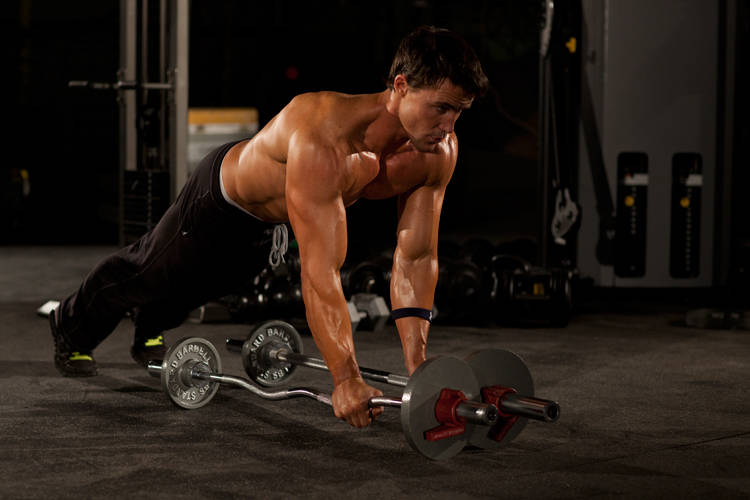
How to Perform Bodyweight Flyes
- Position two equally loaded EZ bars on the ground next to each other. Ensure they are able to roll.
- Assume a push-up position over the bars, supporting your weight on your toes and hands with your arms extended and body straight.
- Place your hands on the bars. This will be your starting position.
- Using a slow and controlled motion, move your hands away from the midline of your body, rolling the bars apart. Inhale during this portion of the motion.
- After moving the bars as far apart as you can, return to the starting position by pulling them back together. Exhale as you perform this movement.
Pro Tips
- Category: Strength
- Force: Push
- Movement type: Isolation
Ranked Bodyweight Flyes Alternatives
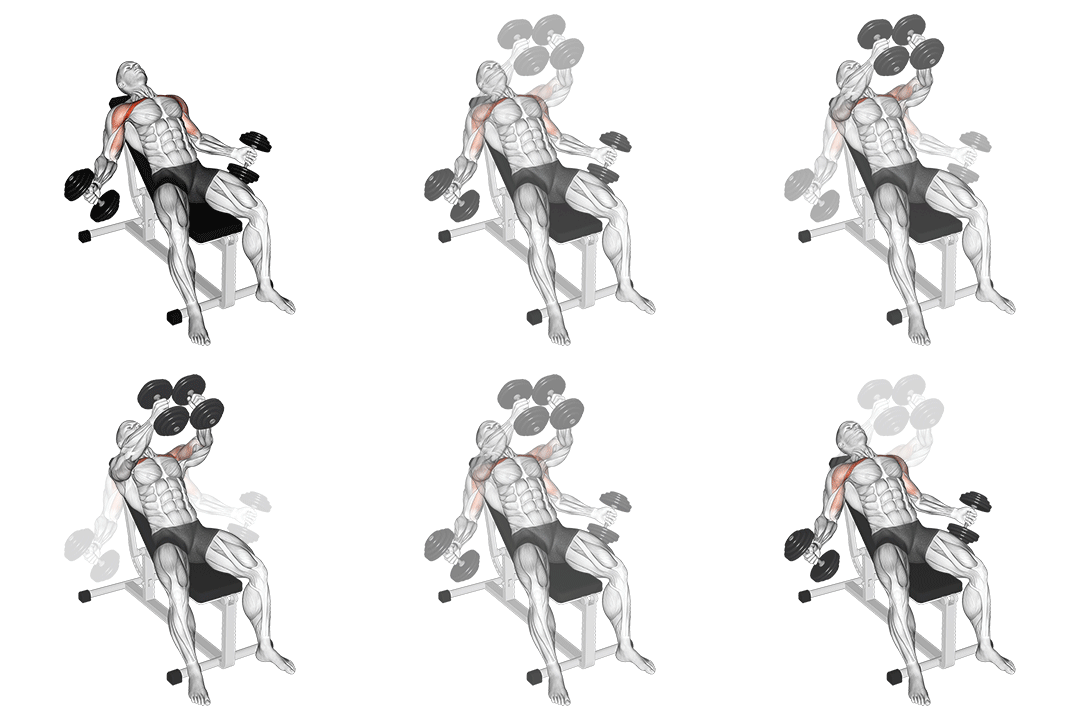
1. Hyght Dumbbell Fly
99.9% MatchHow to perform this exercise
- Lie flat on a bench with a dumbbell in each hand, palms facing each other.
- Extend your arms straight up over your chest, with a slight bend in your elbows.
- Keeping a slight bend in your elbows, lower the dumbbells out to the sides in a wide arc until you feel a stretch in your chest.
- Pause for a moment, then reverse the movement and bring the dumbbells back to the starting position.
- Repeat for the desired number of repetitions.
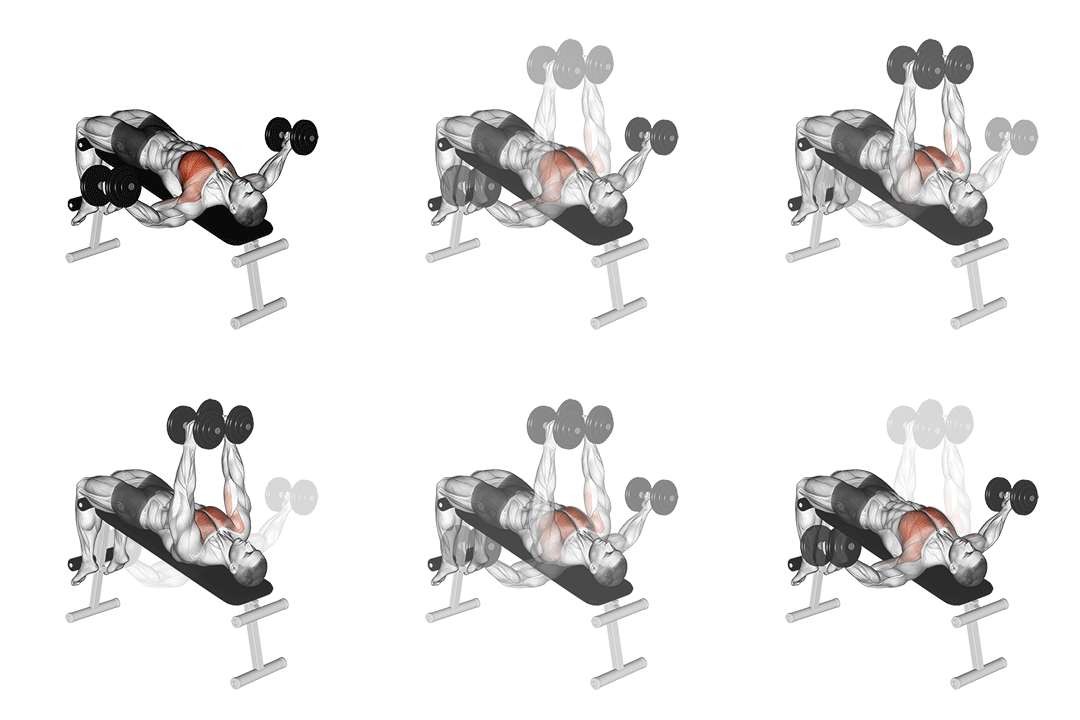
2. Dumbbell Decline Fly
98.4% MatchHow to perform this exercise
- Lie on a decline bench with your feet secured and your head lower than your hips.
- Hold a dumbbell in each hand with your palms facing each other and your arms extended above your chest.
- Lower the dumbbells out to the sides in a wide arc until you feel a stretch in your chest.
- Pause for a moment, then squeeze your chest muscles to bring the dumbbells back to the starting position.
- Repeat for the desired number of repetitions.
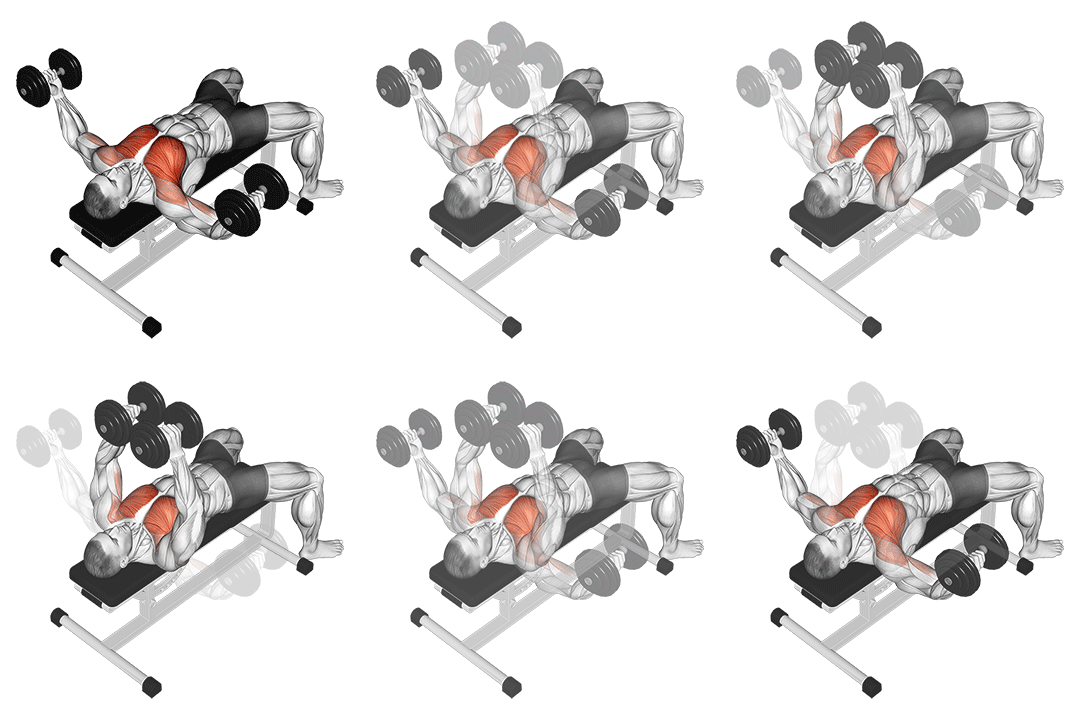
3. Dumbbell Fly
98.4% MatchHow to perform this exercise
- Lie flat on a bench with a dumbbell in each hand, palms facing each other.
- Extend your arms straight up over your chest, with a slight bend in your elbows.
- Keeping a slight bend in your elbows, lower your arms out to the sides in a wide arc until you feel a stretch in your chest.
- Pause for a moment, then reverse the movement and bring the dumbbells back up to the starting position.
- Repeat for the desired number of repetitions.
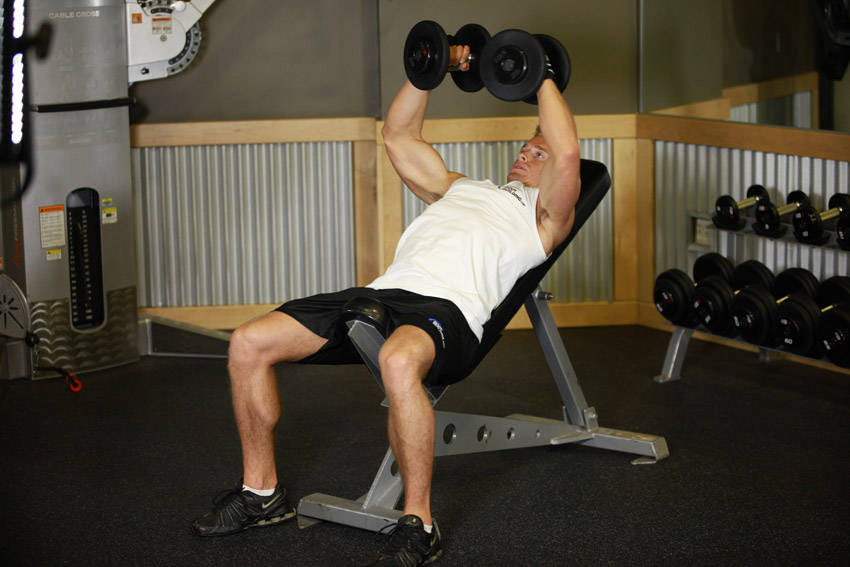
4. Incline Dumbbell Flyes
98.4% MatchHow to perform this exercise
- Hold a dumbbell on each hand and lie on an incline bench that is set to an incline angle of no more than 30 degrees.
- Extend your arms above you with a slight bend at the elbows.
- Now rotate the wrists so that the palms of your hands are facing you. Tip: The pinky fingers should be next to each other. This will be your starting position.
- As you breathe in, start to slowly lower the arms to the side while keeping the arms extended and while rotating the wrists until the palms of the hand are facing each other. Tip: At the end of the movement the arms will be by your side with the palms facing the ceiling.
- As you exhale start to bring the dumbbells back up to the starting position by reversing the motion and rotating the hands so that the pinky fingers are next to each other again. Tip: Keep in mind that the movement will only happen at the shoulder joint and at the wrist. There is no motion that happens at the elbow joint.
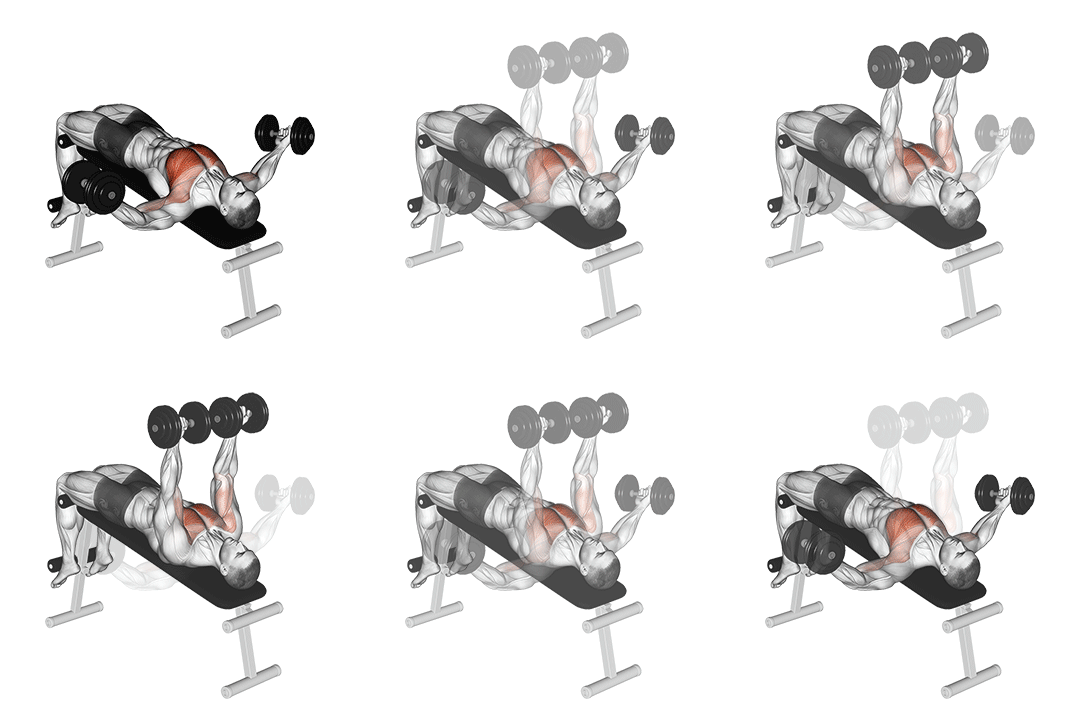
5. Dumbbell Decline Twist Fly
97.9% MatchHow to perform this exercise
- Lie down on a decline bench with your head lower than your hips.
- Hold a dumbbell in each hand with your palms facing each other and your arms extended straight up over your chest.
- Lower the dumbbells out to the sides in a wide arc until you feel a stretch in your chest.
- As you lower the dumbbells, twist your wrists so that your palms face forward at the bottom of the movement.
- Reverse the motion and bring the dumbbells back up to the starting position, squeezing your chest muscles at the top.
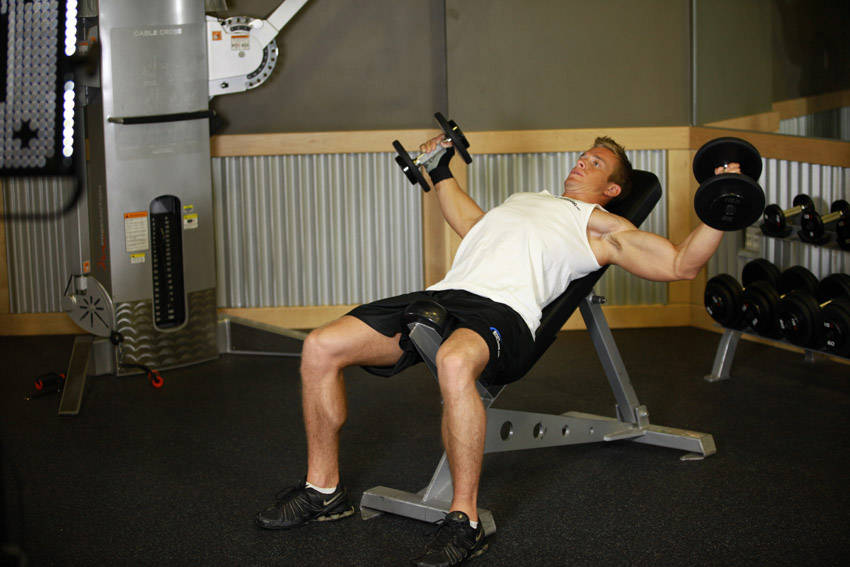
6. Incline Dumbbell Flyes - With A Twist
97.9% MatchHow to perform this exercise
- Hold a dumbbell in each hand and lie on an incline bench that is set to an incline angle of no more than 30 degrees.
- Extend your arms above you with a slight bend at the elbows.
- Now rotate the wrists so that the palms of your hands are facing you. Tip: The pinky fingers should be next to each other. This will be your starting position.
- As you breathe in, start to slowly lower the arms to the side while keeping the arms extended and while rotating the wrists until the palms of the hand are facing each other. Tip: At the end of the movement the arms will be by your side with the palms facing the ceiling.
- As you exhale start to bring the dumbbells back up to the starting position by reversing the motion and rotating the hands so that the pinky fingers are next to each other again. Tip: Keep in mind that the movement will only happen at the shoulder joint and at the wrist. There is no motion that happens at the elbow joint.
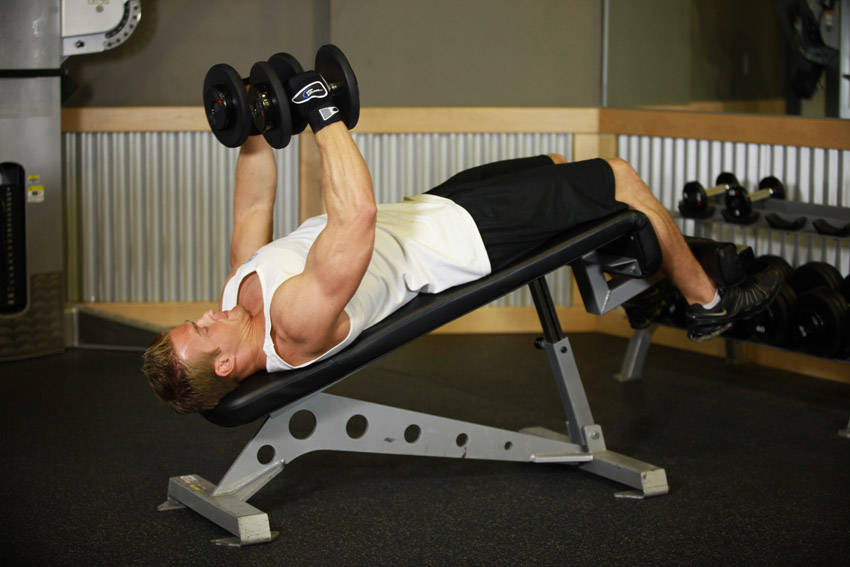
7. Decline Dumbbell Flyes
95.2% MatchHow to perform this exercise
- Secure your legs at the end of the decline bench and lie down with a dumbbell on each hand on top of your thighs. The palms of your hand will be facing each other.
- Once you are laying down, move the dumbbells in front of you at shoulder width. The palms of the hands should be facing each other and the arms should be perpendicular to the floor and fully extended. This will be your starting position.
- With a slight bend on your elbows in order to prevent stress at the biceps tendon, lower your arms out at both sides in a wide arc until you feel a stretch on your chest. Breathe in as you perform this portion of the movement. Tip: Keep in mind that throughout the movement, the arms should remain stationary; the movement should only occur at the shoulder joint.
- Return your arms back to the starting position as you squeeze your chest muscles and breathe out. Tip: Make sure to use the same arc of motion used to lower the weights.
- Hold for a second at the contracted position and repeat the movement for the prescribed amount of repetitions.
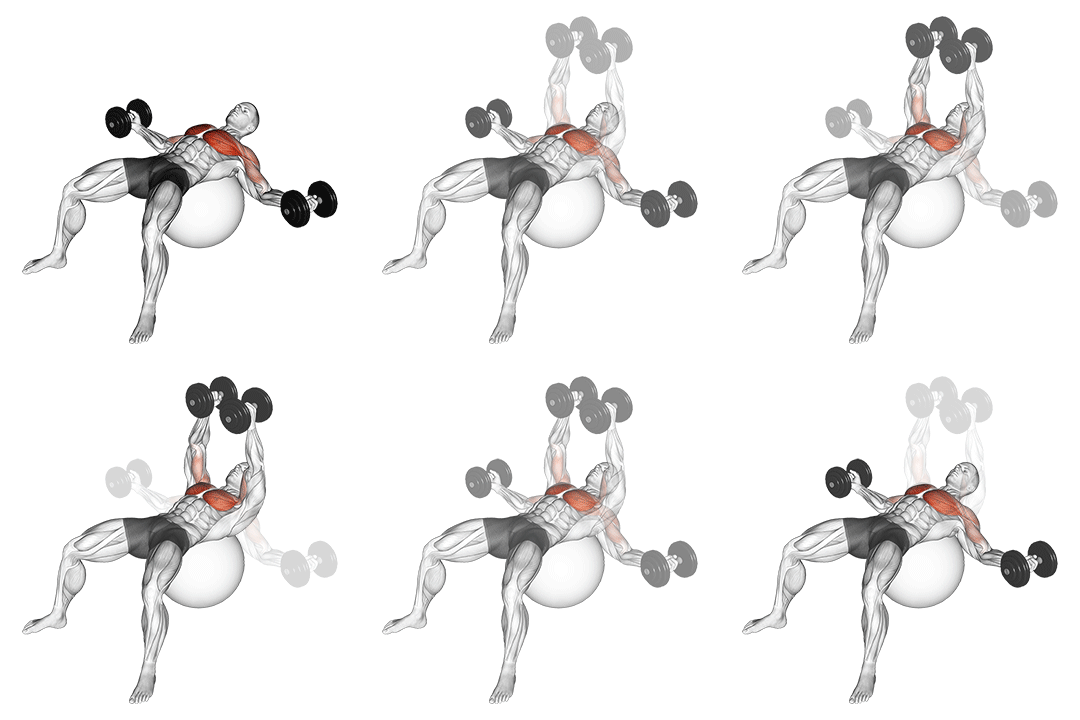
8. Dumbbell Fly On Exercise Ball
95.2% MatchHow to perform this exercise
- Sit on an exercise ball and hold a dumbbell in each hand.
- Walk your feet forward and roll your body down until your head, neck, and upper back are supported by the ball.
- Extend your arms straight up above your chest, palms facing each other.
- Bend your elbows slightly and lower your arms out to the sides in a wide arc until you feel a stretch in your chest.
- Pause for a moment, then reverse the movement and squeeze your chest muscles as you bring the dumbbells back to the starting position.
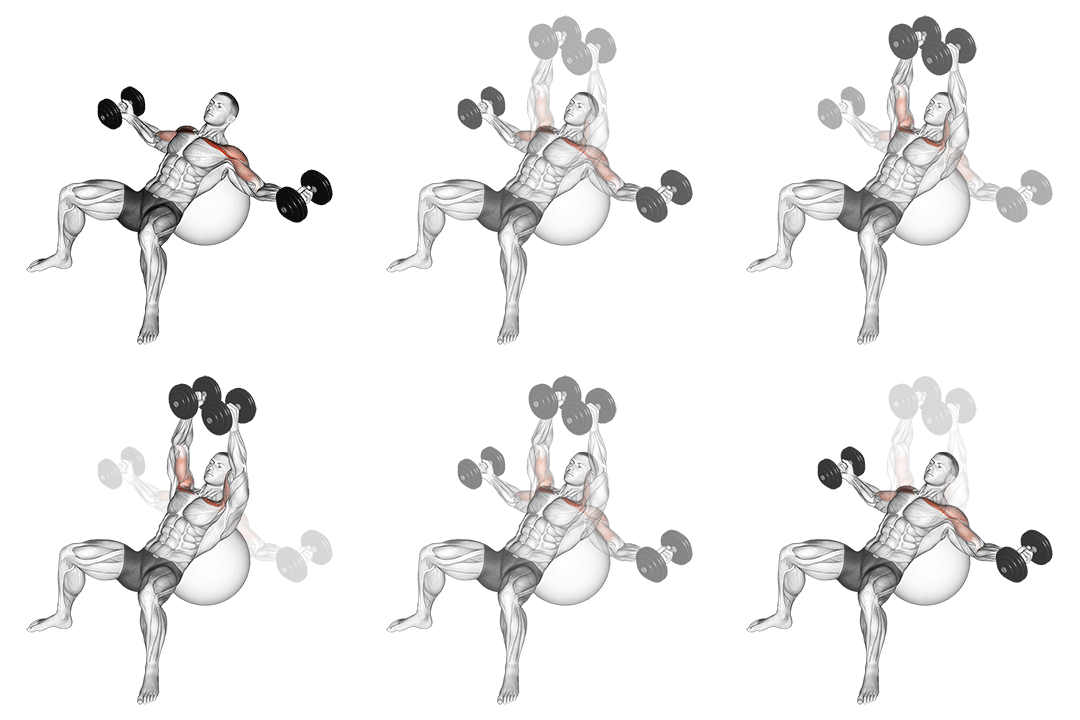
9. Dumbbell Incline Fly On Exercise Ball
95.2% MatchHow to perform this exercise
- Set up an incline bench at a 45-degree angle.
- Sit on an exercise ball and roll forward until your upper back is resting on the incline bench.
- Hold a dumbbell in each hand with your palms facing each other and your arms extended above your chest.
- Lower the dumbbells out to the sides in a wide arc until you feel a stretch in your chest.
- Pause for a moment, then squeeze your chest muscles to bring the dumbbells back to the starting position.
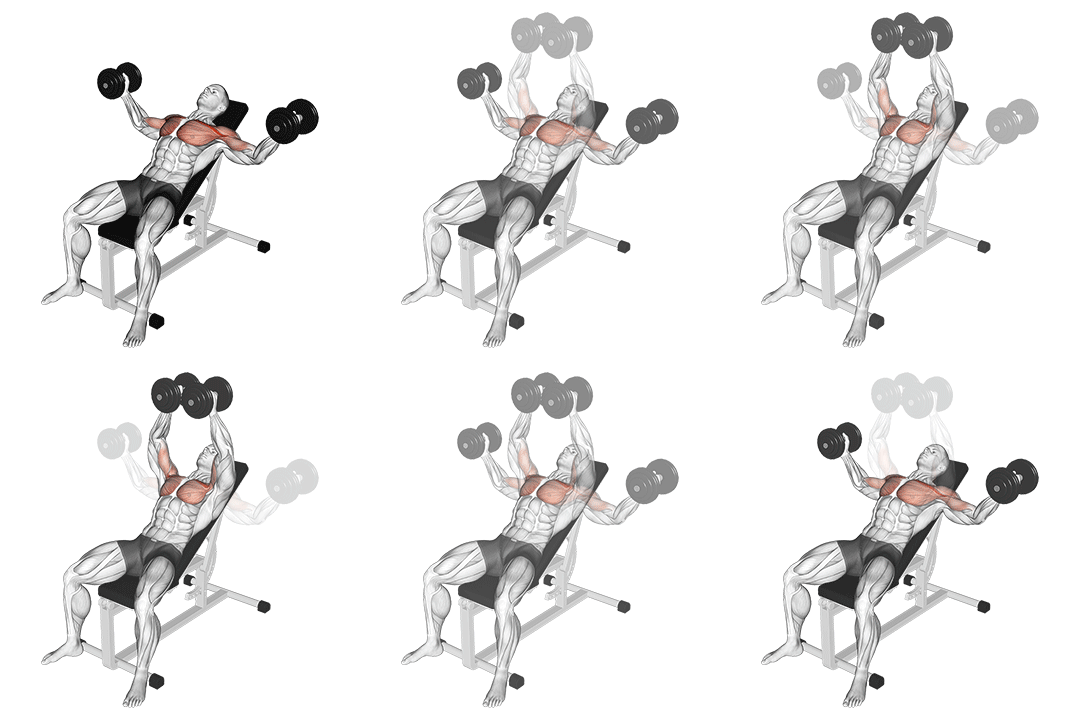
10. Dumbbell Incline Fly
95% MatchHow to perform this exercise
- Set an incline bench to a 45-degree angle.
- Sit on the bench with a dumbbell in each hand, palms facing each other.
- Lie back on the bench and press the dumbbells up to the starting position, directly above your chest.
- Lower the dumbbells out to the sides in a wide arc until you feel a stretch in your chest.
- Pause for a moment, then squeeze your chest muscles to bring the dumbbells back up to the starting position.
Why You Might Need a Bodyweight Flyes Alternative
You may substitute Bodyweight Flyes because of limited loading, shoulder pain, or lack of stable equipment. Flyes emphasize horizontal adduction and isolate the pectoralis major but can expose the shoulder capsule to high shear at end range. Alternatives let you control load, maintain scapular retraction, and adjust range-of-motion to reduce impingement. For example, cables provide constant tension with easier scapular positioning, cue: retract scapula and limit end-range horizontal abduction, to preserve pec activation while reducing joint stress.
How to Choose the Right Substitute
Select a substitute based on available equipment, shoulder health, and training goal. If you need progressive overload, choose dumbbell or barbell presses and cue a full, controlled eccentric with a 2–3 second descent. For maximal constant tension, use cable crossovers and focus on horizontal adduction with a slight elbow bend. If joint pain limits ROM, pick machine or band variations that let you stop short of end-range and emphasize peak contraction and mind-muscle connection.
Frequently Asked Questions
What muscles does Bodyweight Flyes work?
Bodyweight Flyes primarily target the pectoralis major, especially the sternal fibers, while the anterior deltoid and long head of the biceps act as secondary stabilizers. Scapular stabilizers like the serratus anterior and lower trapezius activate to control shoulder position; cue a slight scapular retraction to load the pecs rather than the deltoids.
What is the best bodyweight alternative to Bodyweight Flyes?
Archer push-ups are the best bodyweight substitute because they create unilateral load and a wide horizontal-adduction pattern that mimics flyes. Shift your weight laterally, keep the working elbow at a 10–20° bend, and control the descent to maintain high pec activation without external equipment.
Can I build muscle without doing Bodyweight Flyes?
Yes, you can build chest muscle using compound presses and loaded horizontal-adduction variations that allow progressive overload. Prioritize controlled eccentrics, pause at peak contraction to increase time under tension, and cue strong scapular retraction to focus force through the pectorals.
More Exercise Alternatives
Find Alternatives for Any Exercise
Use the exercise substitution finder to compare ranked alternatives for your available equipment and training preference.
Try the Exercise Substitution Finder →