Forget Snack Lists: Build a 3-Box High-Protein Snack System

A practical work, gym, and night snack setup that turns high-protein eating into a repeatable system.

Andrew Peloquin NFPT-CPT
By
Andrew Peloquin NFPT-CPT
NFPT- Certified Personal Trainer Fitness has come hard for Andy; he's had to work for it. But, his trials have led him to become a martial...
| Fact checked by Editorial Team|
12 Min Read
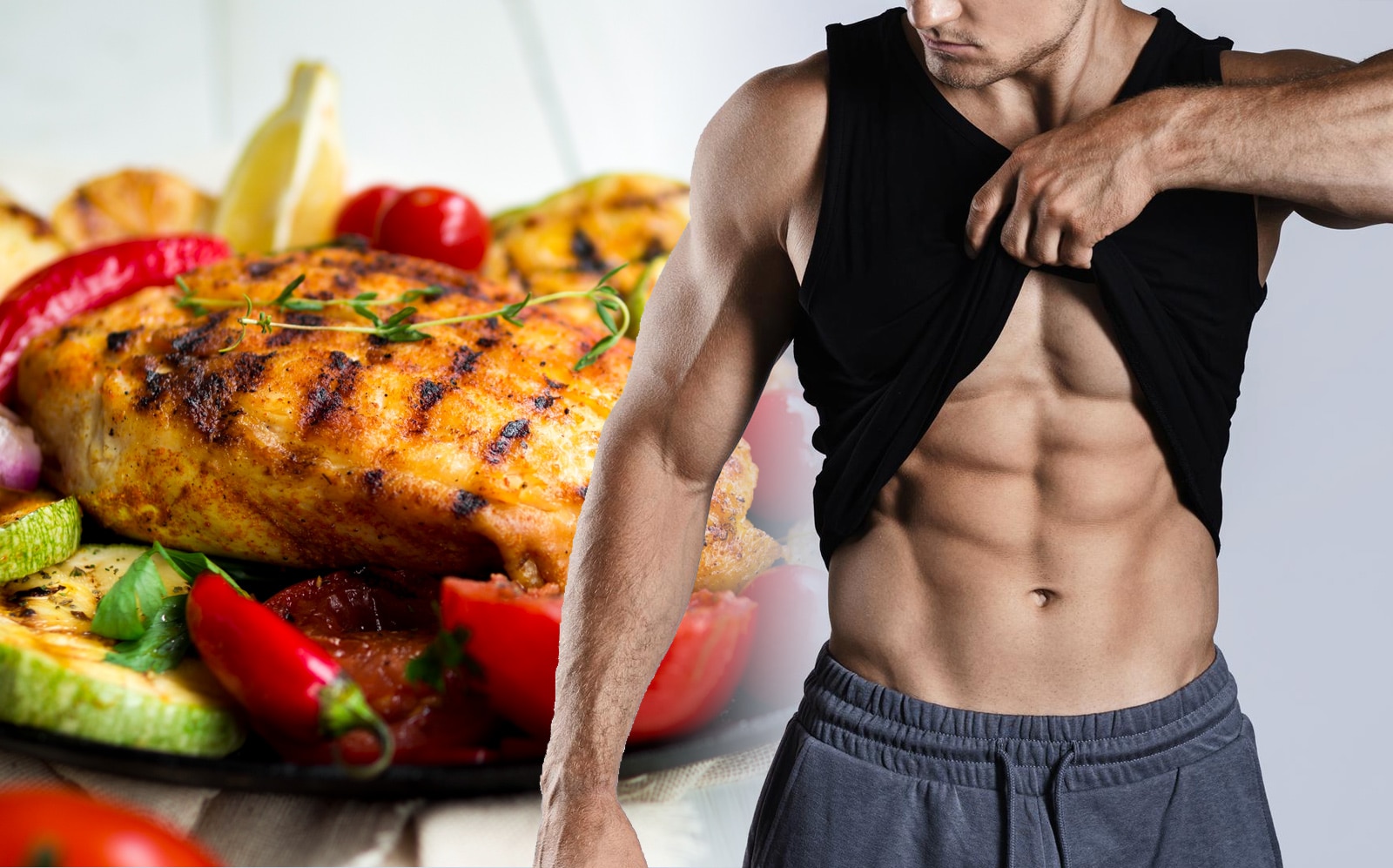
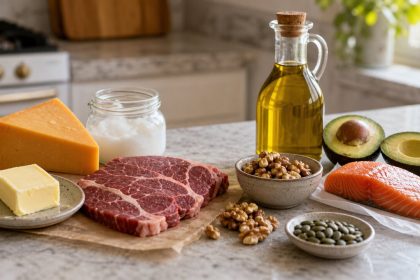
High-protein snacks can be simple whole-food options, not just bars and shakes.
High Protein Snacks 1

Protein bars are convenient, but they are not automatically a good snack. Some are closer to candy with a scoop of protein added. Others taste like punishment, cost too much, or disappear from your stomach in twenty minutes. A good high-protein snack should do more than hit a label claim. It should solve a real problem between meals.

The better way is to build snacks by role: hunger control, pre-workout fuel, post-workout protein, low-calorie volume, or emergency convenience. That keeps you from forcing one snack to do every job. A turkey roll-up and a Greek yogurt bowl are both useful, but they do not serve the same moment.

Use this as a snack decision system, not a moral ranking of foods. Bars still have a place. They just should not be the default answer every time hunger shows up.

High-Protein Snack Builder
BaseChoose 15-30 grams of protein: yogurt, eggs, tuna, cottage cheese, lean meat, tofu, or whey.
VolumeAdd fruit, vegetables, broth, popcorn, or salad ingredients if hunger is the issue.
FiberBeans, berries, edamame, whole-grain crackers, or chia make the snack last longer.
CaloriesMatch the snack to the goal: lighter for cutting, bigger for muscle gain.
ConvenienceKeep two no-cook options ready so hunger does not become takeout.
Labeled high-protein snack box system graphic
A three-box high-protein snack system built around protein, fiber, and crunch.

This Is Not Another High-Protein Snack List

We already has snack articles and protein product coverage. This version is different: it is a setup system. Instead of asking which snack is best in the abstract, build three boxes for the three moments that usually break consistency: work hunger, gym timing, and late-night cravings.

Get Fitter, Faster

Level Up Your Fitness: Join our 💪 strong community in Fitness Volt Newsletter. Get daily inspiration, expert-backed workouts, nutrition tips, the latest in strength sports, and the support you need to reach your goals. Subscribe for free!

The work box should be shelf-stable. The gym box should be easy to digest. The night box should combine protein, fiber, and volume so it slows the day down instead of turning into grazing. That structure is more useful than memorizing another list of twenty foods.

The Better Move

Use the trend as a doorway, then build a system you can repeat. The win is not novelty. The win is a rule that survives real training weeks, busy mornings, missed meals, stress, and imperfect equipment. That is why this article focuses on decisions, not hacks.

Pick The Snack By Job

A high-protein snack before a workout should not look exactly like a high-protein snack before bed. Pre-workout snacks need digestion comfort and a little carbohydrate. Fat-loss snacks need volume and satiety. Muscle-gain snacks can carry more calories. The mistake is chasing the highest protein number without asking what the snack is supposed to do.

  • For hunger: protein plus fiber.
  • For training: protein plus easy carbs.
  • For late night: protein plus slow pace, not a giant meal.
  • For breakfast gaps, use FitnessVolt’s 15 high-protein breakfasts list.

Use The 15-30 Gram Range

Most snack situations do not need a 50-gram protein bomb. A practical range is 15-30 grams, depending on the size of the person, the next meal, and the training schedule. The ISSN position stand supports higher daily protein intakes for active people, but distribution matters. If breakfast is low protein, a stronger snack can help. If meals are already protein-heavy, the snack can be lighter.

  • Greek yogurt with berries: roughly 18-25 grams protein depending on serving.
  • Two eggs plus edamame: moderate protein with more fiber.
  • Tuna and crackers: higher protein, more savory, very portable.

Do Not Ignore Fiber

Protein gets the attention, but fiber often decides whether a snack actually holds you. A shake can be useful after training, but it may not control hunger as well as a bowl with yogurt, berries, and cereal. The goal is not to make every snack huge. It is to make the snack match the hunger problem.

  • The the 30/10 plate rule works because it pairs protein with fiber.
  • If a snack leaves you hungry quickly, add produce or legumes before adding more protein powder.
  • If digestion gets uncomfortable, reduce fiber near training and move it earlier in the day.

Keep Emergency Snacks Boring

The best emergency snack is the one you can keep at work, in a gym bag, or in the car without thinking. That might be tuna packets, shelf-stable protein shakes, roasted edamame, jerky, or a simple bar. Emergency food does not need to be perfect. It needs to keep you from arriving at dinner starving enough to overshoot by 800 calories.

  • Keep one shelf-stable protein option.
  • Keep one fruit or fiber option.
  • Keep one higher-carb option for training days.

Snack Matrix

Snack Best for Upgrade
Greek yogurt + berries Fat loss or breakfast gap Add chia or high-fiber cereal
Cottage cheese + fruit Slow, filling snack Add cinnamon or berries
Turkey roll-ups + vegetables Low-carb convenience Add hummus for fiber
Tuna crackers Portable savory option Use whole-grain crackers
Protein coffee Morning protein gap Keep caffeine timing honest

Use It This Week

Build a snack shelf before the week starts. Choose two fridge snacks and two shelf-stable snacks. That prevents the common failure point: deciding what to eat only after hunger is already loud.

For one week, score each snack by whether it solved the problem. Did it keep you full until dinner? Did it sit well before training? Did it stop a late-night binge? A snack can have good macros and still be wrong for the moment.

If weight loss is the goal, pre-log the snack instead of grazing from the container. If muscle gain is the goal, use the snack to close the protein gap without making dinner painfully large.

Adjust It By Goal

Goal Best adjustment Why
Cutting Protein + produce or fiber More fullness per calorie
Muscle gain Protein + carbs Easier calorie surplus
Pre-workout Protein + easy carbs, lower fat Better digestion
Travel Shelf-stable protein plus fruit Less dependence on gas-station choices

When To Change The Plan

Do not judge the plan from one perfect day or one bad day. Most useful fitness and nutrition changes need a short runway. Give the system one to two weeks unless pain, dizziness, digestive distress, sleep disruption, or a clear medical concern shows up sooner. Early feedback is useful, but it needs context.

The right adjustment is usually smaller than the emotional reaction. If the plan feels too hard, reduce the dose before abandoning the idea. If it feels too easy, repeat it until the habit is stable before adding complexity. Most people fail these trends by escalating too quickly, not by starting too conservatively.

Get Fitter, Faster

Level Up Your Fitness: Join our 💪 strong community in Fitness Volt Newsletter. Get daily inspiration, expert-backed workouts, nutrition tips, the latest in strength sports, and the support you need to reach your goals. Subscribe for free!

  • Change one variable at a time so the result is readable.
  • Keep the part that improves training, hunger, recovery, or consistency.
  • Remove the part that adds friction without a clear payoff.
  • Treat pain, dizziness, unusual fatigue, or persistent digestive symptoms as stop signs, not discipline tests.

The Smarter Starting Dose

Start smaller than your motivation wants. A conservative first dose protects the rest of the week and gives you cleaner feedback. Once the behavior is repeatable, progression is easy. When the starting point is too aggressive, the plan often fails for reasons that have nothing to do with the idea itself.

That is especially important for lifters because everything competes with recovery. A new food habit can change digestion. A new cardio session can change leg fatigue. A new recovery tool can change sleep timing. The first job is to make the change fit the training week. The second job is to make it stronger.

Mistakes To Avoid

  • Choosing bars that are high calorie but low satiety.
  • Using shakes when you need chewing and volume.
  • Eating snacks so large they erase the next meal.
  • Forgetting sodium and fluids when snacks replace normal meals.

How To Know It Is Working

The right version should make the next decision easier. Training should feel more predictable, meals should require less negotiation, and recovery should become easier to read. If the plan adds stress, confusion, pain, or obsessive tracking, simplify it before adding another layer.

Use one clear metric for two weeks. For nutrition articles, that could be hunger, protein consistency, calories, or training energy. For training articles, use performance, soreness, joint comfort, and repeatability. If the metric improves without creating a new problem, keep the system.

Where This Fits On FitnessVolt

This piece is meant to connect with the rest of your training and nutrition system, not replace it. Use the linked FitnessVolt guides where they match your next decision, especially when you need a calculator, a workout progression, or a more detailed nutrition framework.

FAQ

What is a good high-protein snack?

A useful high-protein snack usually gives 15-30 grams of protein and matches your goal. For hunger, add fiber. For training, keep digestion easy.

Are protein bars healthy?

Some are useful, but they are not automatically better than whole food. Check calories, protein, fiber, sugar alcohols, and whether the bar actually keeps you full.

What high-protein snack is best for weight loss?

Greek yogurt with berries, cottage cheese with fruit, tuna with vegetables, turkey roll-ups, and edamame are strong options because they combine protein with volume.

Can I snack and still lose fat?

Yes. Snacks can help fat loss if they prevent extreme hunger and fit your daily calories. Random grazing is the problem, not planned snacks.

Sources

  1. Jäger R, et al. 2017. International Society of Sports Nutrition Position Stand: protein and exercise. Journal of the International Society of Sports Nutrition. Accessed June 4, 2026.
  2. U.S. Department of Agriculture. n.d. FoodData Central. Accessed June 4, 2026.
  3. Mamerow MM, et al. 2014. Dietary protein distribution positively influences 24-h muscle protein synthesis. Journal of Nutrition. Accessed June 4, 2026.

If you have any questions or need further clarification about this article, please leave a comment below, and Andrew will get back to you as soon as possible.

Share This Article
NFPT- Certified Personal Trainer Fitness has come hard for Andy; he's had to work for it. But, his trials have led him to become a martial artist, an NFPT-certified fitness trainer, and a man passionate about exercise and healthy living. That’s why he’s our resident fitness expert. His favorite food is lettuce-leaf steak tacos – though he’ll admit to a love of hot wings if you leverage the right pressure. We know him as the guy who understands British humor and wishes everyone was as passionate about life as he is. His previous forays into the worlds of international business and education have left him wildly optimistic. And, if that wasn’t enough, he's also a best-selling, award-winning author of fantasy novels! Can you say renaissance?
Leave a Comment