Fasting Calculators
Science-based tools to optimize your fasting journey. Calculate timelines, plan your protocol, and track your progress.
⏱️ Timeline Calculators
Autophagy Timeline
Discover when your body enters autophagy for cellular repair and regeneration.
CalculateMetabolic Switching
Find out when your body switches from burning glucose to burning fat.
CalculateKetosis Timeline
Track when you'll enter ketosis and reach optimal ketone levels.
CalculateFasting Age Calculator
Estimate how fasting affects your biological age.
Calculate📊 Protocol Calculators
OMAD Calculator
Calculate your optimal calories and macros for One Meal a Day eating.
CalculateIF Macro Calculator
Optimize macros for training vs rest days with carb cycling.
Calculate5:2 Diet Calculator
Calculate your fast day and normal day calories for the 5:2 diet.
CalculatePSMF Calculator
Calculate your Protein Sparing Modified Fast macros for rapid fat loss.
CalculateExtended Fasting (24-72h)
Plan your extended fast with weight loss projections and electrolyte needs.
Calculate📅 Planning Tools
Fasting Schedule Generator
Create a personalized fasting schedule that fits your lifestyle.
GenerateFasting Results Timeline
See how long it will take to reach your weight loss goals with fasting.
CalculateWhat Breaks My Fast?
Search 500+ foods, drinks, and supplements to see if they break your fast.
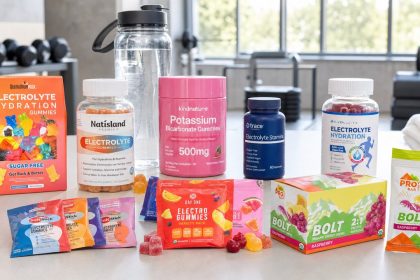
SearchElectrolyte Calculator
Calculate your sodium, potassium, and magnesium needs during fasting.
CalculateHow Intermittent Fasting Works
Intermittent fasting (IF) is an eating pattern that cycles between periods of fasting and eating. Unlike traditional diets that focus on what you eat, IF focuses on when you eat.
Key Benefits of Fasting
- Weight Loss: Creates a caloric deficit naturally by limiting eating windows
- Autophagy: Triggers cellular cleanup and repair processes
- Insulin Sensitivity: Improves how your body handles blood sugar
- Mental Clarity: Many report improved focus during fasting periods
- Simplicity: No calorie counting or complicated meal planning
Popular Fasting Protocols
- 16:8: Fast 16 hours, eat within 8 hours (most beginner-friendly)
- 18:6: Fast 18 hours, eat within 6 hours
- 20:4: Fast 20 hours, eat within 4 hours (Warrior Diet)
- OMAD: One Meal a Day - eat all calories in one sitting
- 5:2: Eat normally 5 days, restrict to 500-600 calories 2 days
Frequently Asked Questions
These calculators provide estimates based on research and general guidelines. Individual results vary. Consult a healthcare provider before starting any fasting protocol, especially if you have health conditions, take medications, are pregnant, or have a history of eating disorders.
How to Use These Calculators
Select any calculator from the grid above to get started. Each tool is designed around a specific fasting goal, whether that is tracking autophagy timelines, planning your eating window, or projecting weight loss results. Enter your personal details such as weight, height, age, and activity level, and the calculator will generate personalized recommendations based on established metabolic research.
Understanding Intermittent Fasting
Intermittent fasting (IF) is a pattern of eating that cycles between periods of fasting and eating. Rather than specifying which foods to eat, it focuses on when you eat. The most common protocols include 16:8 (16 hours fasting, 8 hours eating), 20:4, OMAD (one meal a day), and extended fasts lasting 24 to 72 hours or more.
Research published in the New England Journal of Medicine (de Cabo & Mattson, 2019) has shown that intermittent fasting can trigger metabolic switching, a process where the body shifts from using glucose as its primary fuel to burning fatty acids and ketone bodies. This metabolic shift is associated with improvements in body composition, insulin sensitivity, and markers of cellular health.
The right fasting protocol depends on your goals, lifestyle, and experience level. Our calculators help you find the approach that fits your situation, with outputs grounded in peer-reviewed formulas and population data rather than guesswork.
Key Takeaways
- Different fasting protocols serve different goals: fat loss, autophagy, insulin management, or metabolic flexibility.
- Your results depend on personal factors like body composition, activity level, and prior diet, which is why personalized calculators outperform generic guidelines.
- Fasting is not suitable for everyone. Pregnant or breastfeeding women, individuals with eating disorders, and those on certain medications should consult a healthcare provider first.
- Consistency matters more than perfection. A sustainable 16:8 routine will typically produce better long-term results than sporadic extended fasts.
- Hydration and electrolyte management become increasingly important as fasting duration increases beyond 24 hours.