Forget Tiny Diet Meals: High-Volume Foods Make Cutting Feel Less Miserable

A practical volume-eating guide for lifters who want fuller plates without blowing the calorie budget.

Andrew Peloquin NFPT-CPT
By
Andrew Peloquin NFPT-CPT
NFPT- Certified Personal Trainer Fitness has come hard for Andy; he's had to work for it. But, his trials have led him to become a martial...
| Fact checked by Editorial Team|
12 Min Read
High-volume foods help make cutting meals bigger, more colorful, and easier to repeat.
Low Calorie High Volume Foods

A diet does not fail only because calories are low. It often fails because the meals feel insulting. Tiny plates, dry protein, and no crunch can turn a reasonable calorie deficit into a nightly negotiation. High-volume foods fix the part of dieting people actually feel: the size and satisfaction of the plate.

Volume eating is not about chewing lettuce until you hate your life. It is about using lower-energy-density foods to make meals bigger while keeping protein high enough to support training. Vegetables, broth-based soups, berries, potatoes, lean proteins, popcorn, and high-water foods can all help.

The smart version pairs volume with protein and flavor. If you only add vegetables, you may be hungry again. If you only add protein, the meal may still look small. The combination is what makes cutting feel less fragile.

High-Volume Cutting Plate
Protein AnchorLean meat, fish, eggs, yogurt, tofu, cottage cheese, or whey.
Volume BaseVegetables, salad, broth soup, berries, potatoes, or squash.
Fiber BoostBeans, berries, oats, chia, legumes, or high-fiber wraps.
FlavorSalsa, herbs, vinegar, hot sauce, mustard, citrus, pickles.
Calorie CheckWatch oils, nuts, sauces, cheese, and liquid calories.
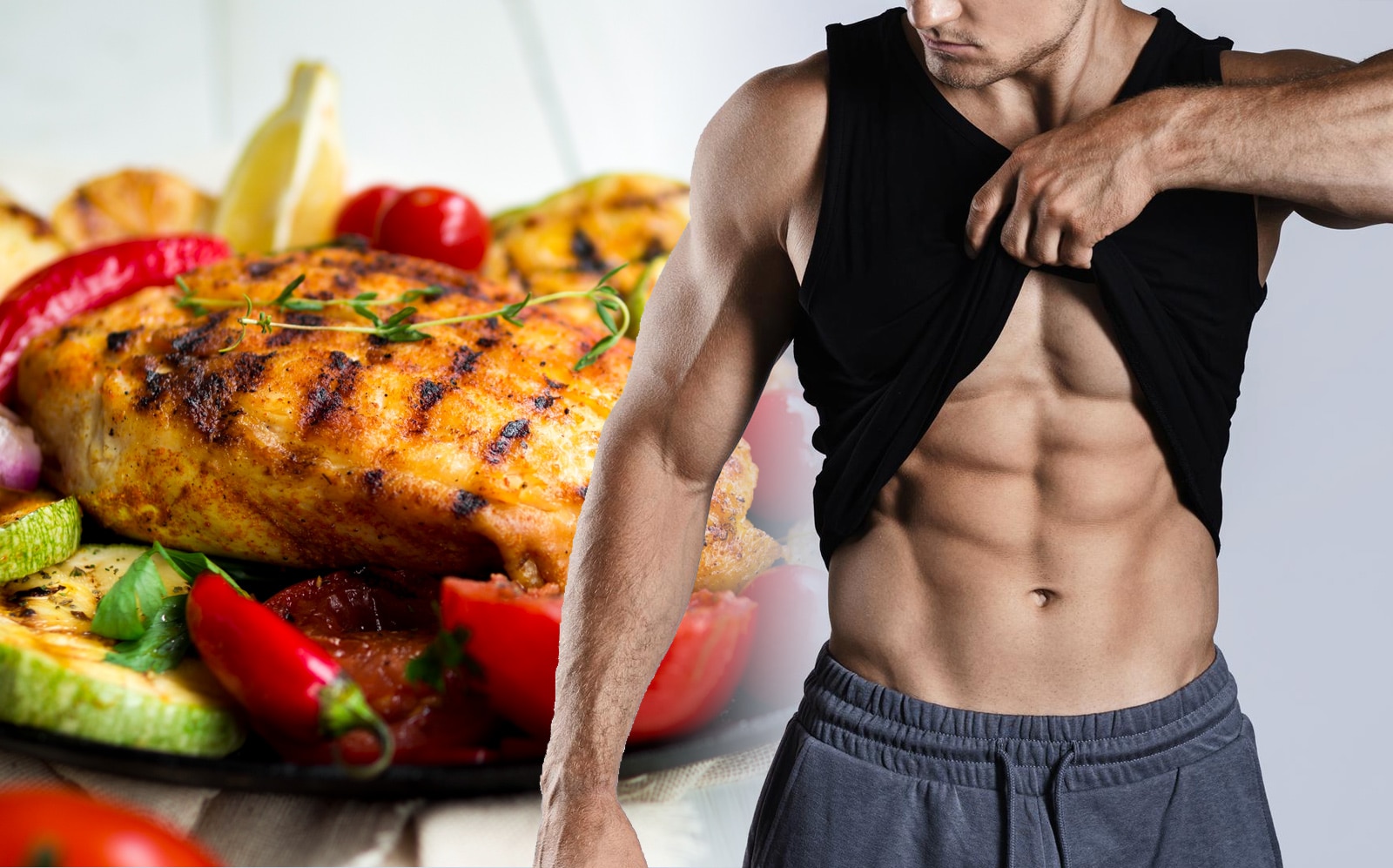
Labeled high-volume foods for cutting graphic
High-volume foods that add fiber, protein, and portion size during a cut.

The Better Move

Use the trend as a doorway, then build a system you can repeat. The win is not novelty. The win is a rule that survives real training weeks, busy mornings, missed meals, stress, and imperfect equipment. That is why this article focuses on decisions, not hacks.

Get Fitter, Faster

Level Up Your Fitness: Join our 💪 strong community in Fitness Volt Newsletter. Get daily inspiration, expert-backed workouts, nutrition tips, the latest in strength sports, and the support you need to reach your goals. Subscribe for free!

Energy Density Is The Real Trick

Energy density means calories per gram of food. Foods with more water and fiber often give more bite and stomach volume for fewer calories. That does not make higher-calorie foods bad. It means oils, nut butters, cheese, and desserts need more awareness during a cut because small portions carry a lot of energy.

  • Use vegetables and broth to expand meals.
  • Use potatoes, oats, beans, and fruit when you need carbs that feel substantial.
  • Keep fats measured instead of free-poured.

Do Not Drop Protein To Add Volume

A giant salad with almost no protein is not a cutting meal for a lifter. It is an appetizer with ambition. Protein helps preserve lean mass, supports satiety, and makes the meal more training-compatible. The best high-volume meals start with a protein anchor, then expand the plate around it.

Use Potatoes Without Fear

Potatoes get unfairly grouped with fries and chips. Plain potatoes are filling, versatile, and far less calorie-dense than many diet snacks once oil is removed. A potato bowl with lean protein, salsa, vegetables, and Greek yogurt can be a better cutting meal than a tiny wrap that leaves you hungry.

  • Boil, air-fry, bake, or microwave instead of deep-frying.
  • Add salsa, herbs, vinegar, or low-fat Greek yogurt.
  • Pair potatoes with lean protein to make the meal complete.

Make Snacks Bigger Without Making Them Random

High-volume snacks can prevent overeating at dinner, but only if they are planned. Air-popped popcorn, berries with yogurt, vegetables with blended cottage cheese dip, or broth soup can work. Random grazing from five low-calorie foods can still become a high-calorie habit.

  • Pick one snack plate.
  • Add a protein source if the next meal is far away.
  • If you use fasting windows, compare totals with the OMAD calculator when needed.


Athletic woman preparing high-volume foods for cutting
High-volume foods help a cutting meal look and feel bigger without relying on tiny portions.

High-Volume Food Matrix

Food Why it helps Best pairing
Broth-based soup Water volume before or with meals Lean protein or beans
Potatoes Filling carb with strong meal volume Chicken, eggs, Greek yogurt
Berries Sweet, fiber-rich, lower calorie Greek yogurt or cottage cheese
Air-popped popcorn Large snack volume Protein meal nearby
Vegetable stir-fry Huge plate for modest calories Lean meat, tofu, or shrimp

Use It This Week

Pick one meal that currently feels too small and rebuild only that meal. Add a protein anchor, then double the vegetable or fruit volume, then measure the calorie-dense add-ons. This is more useful than trying to overhaul the entire diet overnight.

Use hunger timing as feedback. If you are hungry 45 minutes later, the plate probably needs more protein, fiber, carbs, or total calories. Volume is not the same as nourishment.

If training performance drops, increase carbs around training before blaming the whole strategy. A plate can be high-volume and still under-fueled for hard lifting.

Adjust It By Goal

Goal Best adjustment Why
Cutting Lean protein + vegetables + potatoes Large plate for controlled calories
Maintenance Volume foods plus measured fats More flexibility without drifting up
Night hunger Soup, yogurt bowl, or potato bowl Slower, more satisfying eating
Hard training Add carbs around the workout Protect performance

When To Change The Plan

Do not judge the plan from one perfect day or one bad day. Most useful fitness and nutrition changes need a short runway. Give the system one to two weeks unless pain, dizziness, digestive distress, sleep disruption, or a clear medical concern shows up sooner. Early feedback is useful, but it needs context.

The right adjustment is usually smaller than the emotional reaction. If the plan feels too hard, reduce the dose before abandoning the idea. If it feels too easy, repeat it until the habit is stable before adding complexity. Most people fail these trends by escalating too quickly, not by starting too conservatively.

  • Change one variable at a time so the result is readable.
  • Keep the part that improves training, hunger, recovery, or consistency.
  • Remove the part that adds friction without a clear payoff.
  • Treat pain, dizziness, unusual fatigue, or persistent digestive symptoms as stop signs, not discipline tests.

The Smarter Starting Dose

Start smaller than your motivation wants. A conservative first dose protects the rest of the week and gives you cleaner feedback. Once the behavior is repeatable, progression is easy. When the starting point is too aggressive, the plan often fails for reasons that have nothing to do with the idea itself.

That is especially important for lifters because everything competes with recovery. A new food habit can change digestion. A new cardio session can change leg fatigue. A new recovery tool can change sleep timing. The first job is to make the change fit the training week. The second job is to make it stronger.

Mistakes To Avoid

  • Eating only vegetables and calling it a meal.
  • Adding unmeasured oils and sauces to every volume food.
  • Using low-calorie snacks to graze all day.
  • Ignoring training performance when the deficit gets aggressive.

How To Know It Is Working

The right version should make the next decision easier. Training should feel more predictable, meals should require less negotiation, and recovery should become easier to read. If the plan adds stress, confusion, pain, or obsessive tracking, simplify it before adding another layer.

Use one clear metric for two weeks. For nutrition articles, that could be hunger, protein consistency, calories, or training energy. For training articles, use performance, soreness, joint comfort, and repeatability. If the metric improves without creating a new problem, keep the system.

Get Fitter, Faster

Level Up Your Fitness: Join our 💪 strong community in Fitness Volt Newsletter. Get daily inspiration, expert-backed workouts, nutrition tips, the latest in strength sports, and the support you need to reach your goals. Subscribe for free!

Where This Fits On FitnessVolt

This piece is meant to connect with the rest of your training and nutrition system, not replace it. Use the linked FitnessVolt guides where they match your next decision, especially when you need a calculator, a workout progression, or a more detailed nutrition framework.

Reader Scenarios

Night hunger

Use a soup, yogurt bowl, potato bowl, or popcorn-plus-protein plate before hunger gets loud. Waiting too long often turns volume eating into random grazing.

Hard training day

Do not make every meal vegetable-heavy and low-carb. Keep carbs near training so the deficit does not flatten performance.

Plateau week

Measure oils, sauces, nuts, and cheese before cutting more food. High-volume meals can still hide high-calorie extras.

What To Track For Two Weeks

Use a short tracking window before judging the plan. Two weeks is long enough to reveal whether the idea fits real life, but short enough that you are not locked into a strategy that clearly does not work. Write down the one outcome the article is meant to improve, then watch that outcome instead of chasing every possible metric.

For food articles, track hunger, meal repeatability, digestion, training energy, and whether the habit prevents a worse decision later. For training and recovery articles, track performance, soreness, joint comfort, sleep, and whether the session is easy enough to repeat. If the plan improves one clear outcome without creating a new problem, keep it. If it only adds work, simplify it.

FAQ

What are high-volume foods?

They are foods that give a larger portion for fewer calories, often because they contain more water, fiber, or air. Vegetables, berries, broth soups, potatoes, and popcorn are common examples.

Does volume eating work for fat loss?

It can help because fuller plates may improve satiety, but fat loss still requires a calorie deficit over time.

Are potatoes good for dieting?

Plain potatoes can be very useful. The calories usually climb when they become fries, chips, butter-heavy mash, or oil-heavy roasted potatoes.

Can lifters use volume eating?

Yes, but they should keep protein high and monitor performance. Volume should support the deficit, not replace recovery nutrition.

Sources

  1. Rolls BJ. 2009. The relationship between dietary energy density and energy intake. Physiology & Behavior. Accessed June 4, 2026.
  2. U.S. Department of Agriculture. n.d. FoodData Central. Accessed June 4, 2026.
  3. Jäger R, et al. 2017. International Society of Sports Nutrition Position Stand: protein and exercise. Journal of the International Society of Sports Nutrition. Accessed June 4, 2026.

If you have any questions or need further clarification about this article, please leave a comment below, and Andrew will get back to you as soon as possible.

Share This Article
NFPT- Certified Personal Trainer Fitness has come hard for Andy; he's had to work for it. But, his trials have led him to become a martial artist, an NFPT-certified fitness trainer, and a man passionate about exercise and healthy living. That’s why he’s our resident fitness expert. His favorite food is lettuce-leaf steak tacos – though he’ll admit to a love of hot wings if you leverage the right pressure. We know him as the guy who understands British humor and wishes everyone was as passionate about life as he is. His previous forays into the worlds of international business and education have left him wildly optimistic. And, if that wasn’t enough, he's also a best-selling, award-winning author of fantasy novels! Can you say renaissance?
Leave a Comment