Forget Random Stretches: Use This Hip Mobility Reset Before You Squat

A short pre-lift hip routine that targets positions lifters actually need.

Andrew Peloquin NFPT-CPT
By
Andrew Peloquin NFPT-CPT
NFPT- Certified Personal Trainer Fitness has come hard for Andy; he's had to work for it. But, his trials have led him to become a martial...
| Fact checked by Editorial Team|
12 Min Read
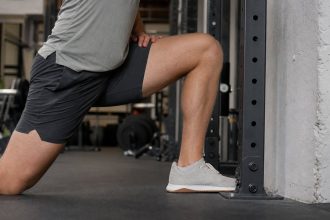
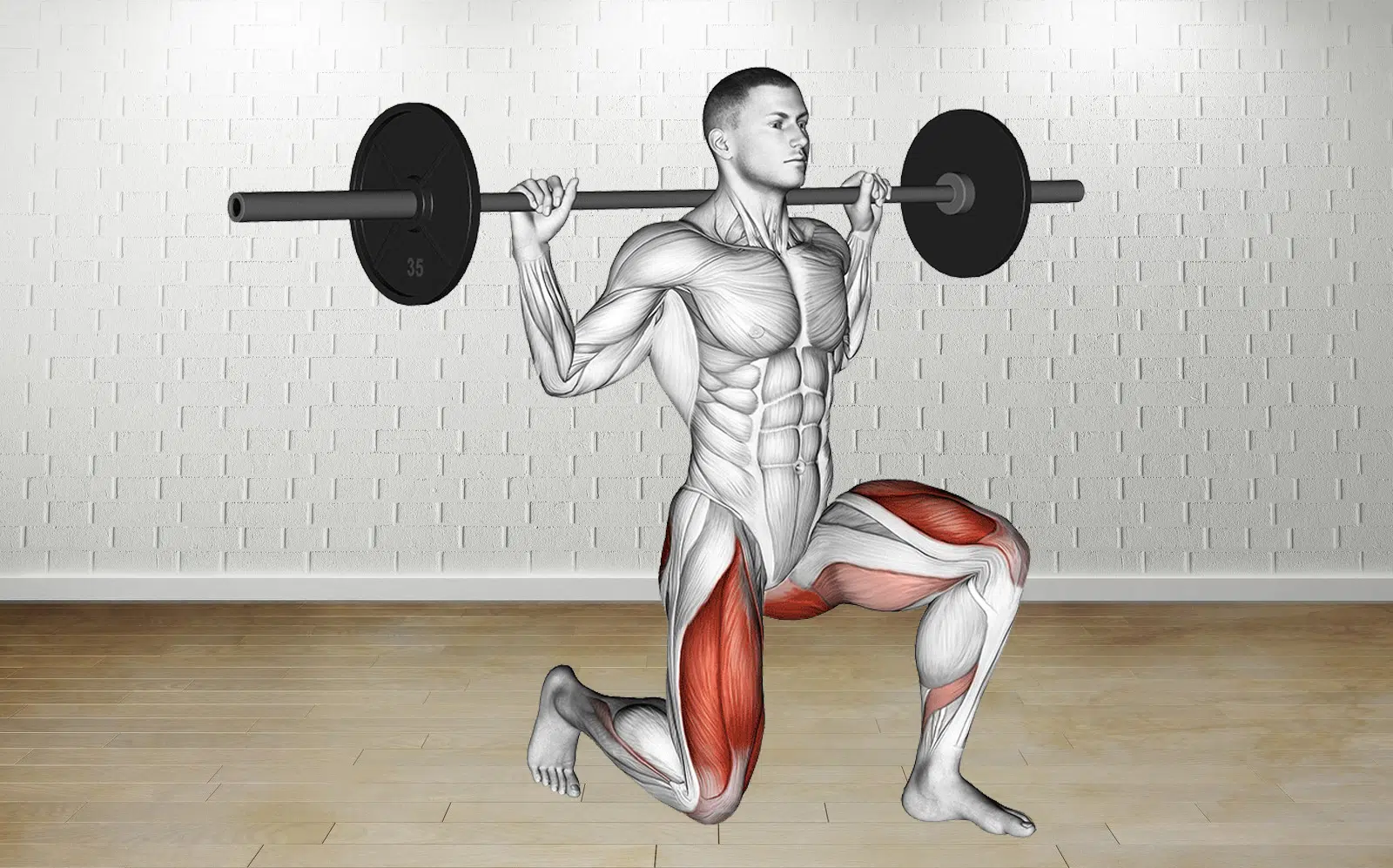
A half-kneeling hip mobility setup helps lifters prepare for better squat and lunge positions.
Hip Mobility Reset

Most hip mobility routines are too random. They collect stretches from the internet, hold each one for a while, and hope the squat feels better. Sometimes it does. Often the warm-up feels long, the hips feel temporarily looser, and the first working set still looks the same.

A better hip reset targets the positions lifters actually need: hip flexion for squat depth, hip extension for lockout and lunging, rotation control for knees tracking well, and enough trunk stability to use the new range. Mobility that does not transfer to a loaded pattern is just floor time.

This routine is short enough to use before training and specific enough to measure. If your squat, split squat, or hinge feels better after the reset, keep it. If nothing changes after two weeks, the limitation may be ankles, stance, load, or technique rather than hips.

8-Minute Hip Reset
1. Rockback60 seconds each side; find hip flexion without rounding hard.
2. Half-Kneeling Stretch45 seconds each side; glute squeezed, ribs down.
3. 90/90 Switch6 controlled reps each side; move slowly.
4. Goblet Squat Hold3 holds of 20 seconds; breathe at depth.
5. PatternDo two light ramp sets immediately after.
Labeled hip mobility reset graphic before squats
A hip mobility reset sequence lifters can use before squatting.

The Better Move

Use the trend as a doorway, then build a system you can repeat. The win is not novelty. The win is a rule that survives real training weeks, busy mornings, missed meals, stress, and imperfect equipment. That is why this article focuses on decisions, not hacks.

Get Fitter, Faster

Level Up Your Fitness: Join our 💪 strong community in Fitness Volt Newsletter. Get daily inspiration, expert-backed workouts, nutrition tips, the latest in strength sports, and the support you need to reach your goals. Subscribe for free!

Test Before You Stretch

Before the reset, do two bodyweight squats and one split squat per side. Notice where you feel blocked. Is it the front of the hip, the outside of the hip, the ankle, or the trunk? A test gives the routine a job. Without it, you are just collecting sensations.

  • Check squat depth without forcing it.
  • Check knee tracking on both sides.
  • Check whether the torso dumps forward early.

Open The Hip, Then Own The Range

Passive stretching can create a temporary window. Training needs control inside that window. That is why the reset moves from floor drills into a goblet squat hold and then into ramp sets. The nervous system learns the position under a little load, not just on a mat.

  • If lower-body training is heavy, pair this with FitnessVolt’s deload week guide when fatigue is the real blocker.
  • If quads are the target, connect the new range to best quad exercises.
  • Do not chase extreme depth if pelvis position collapses.

Use The Half-Kneeling Stretch Correctly

The half-kneeling hip flexor stretch is often butchered. People arch the back, shove the hip forward, and feel a dramatic stretch that does not teach better position. The better setup is ribs down, glute of the rear leg squeezed, pelvis gently tucked, and a small shift forward. Less range, more control.

  • Squeeze the rear-leg glute.
  • Keep ribs stacked over pelvis.
  • Breathe slowly for 4-5 exhales.

Do Not Blame Hips For Every Squat Problem

Hip mobility matters, but it is not the only squat limiter. Ankle dorsiflexion, stance width, femur length, bracing, bar position, and load selection all change the lift. If the hip reset does not improve the first few sets, test ankles and technique before adding more stretches.

  • If the ankle is suspect, use the upcoming ankle test article or compare with Nordic ham curl guide for lower-body control.
  • If pain is sharp, stop and get assessed.
  • If one side is dramatically different, train the weaker pattern with lighter single-leg work.

Hip Reset Troubleshooting

What you feel Likely issue Adjustment
Pinch in front of hip Depth or stance may not fit today Reduce range and widen stance slightly
Low back takes over Poor trunk/pelvis control Ribs down, lighter goblet hold
Knee caves in Rotation/control issue Slow 90/90 switches and split squats
No change after reset Not a hip problem Check ankles, shoes, and squat setup

Use It This Week

Use the reset before three lower-body sessions before judging it. One day can be noisy because soreness, sleep, and bar position change the squat. Three exposures show whether the routine actually improves the first working sets.

Film one warm-up set before and after the reset. You are looking for smoother depth, less hip shift, and better knee tracking. Feeling looser is nice, but the loaded pattern is the truth.

If one side keeps lagging, add one extra controlled set on that side instead of doubling the whole routine. Mobility work should stay precise enough that you still have energy to train.

Adjust It By Goal

Goal Best adjustment Why
Squat depth Rockbacks + goblet squat hold Own hip flexion under control
Split squats Half-kneeling stretch + slow reps Improve hip extension
Knee tracking 90/90 switches + light split squat Build rotation control
Warm-up speed Use only the drills that change the set Keep it efficient

When To Change The Plan

Do not judge the plan from one perfect day or one bad day. Most useful fitness and nutrition changes need a short runway. Give the system one to two weeks unless pain, dizziness, digestive distress, sleep disruption, or a clear medical concern shows up sooner. Early feedback is useful, but it needs context.

The right adjustment is usually smaller than the emotional reaction. If the plan feels too hard, reduce the dose before abandoning the idea. If it feels too easy, repeat it until the habit is stable before adding complexity. Most people fail these trends by escalating too quickly, not by starting too conservatively.

  • Change one variable at a time so the result is readable.
  • Keep the part that improves training, hunger, recovery, or consistency.
  • Remove the part that adds friction without a clear payoff.
  • Treat pain, dizziness, unusual fatigue, or persistent digestive symptoms as stop signs, not discipline tests.

The Smarter Starting Dose

Start smaller than your motivation wants. A conservative first dose protects the rest of the week and gives you cleaner feedback. Once the behavior is repeatable, progression is easy. When the starting point is too aggressive, the plan often fails for reasons that have nothing to do with the idea itself.

That is especially important for lifters because everything competes with recovery. A new food habit can change digestion. A new cardio session can change leg fatigue. A new recovery tool can change sleep timing. The first job is to make the change fit the training week. The second job is to make it stronger.

Lifter performing a hip mobility warm-up in a gym
A short hip mobility reset should improve squat warm-ups without replacing loaded practice.

Mistakes To Avoid

  • Stretching aggressively into pinching pain.
  • Doing a long mobility routine and skipping ramp sets.
  • Changing five squat variables at once.
  • Expecting one warm-up to fix years of poor loading.

How To Know It Is Working

The right version should make the next decision easier. Training should feel more predictable, meals should require less negotiation, and recovery should become easier to read. If the plan adds stress, confusion, pain, or obsessive tracking, simplify it before adding another layer.

Use one clear metric for two weeks. For nutrition articles, that could be hunger, protein consistency, calories, or training energy. For training articles, use performance, soreness, joint comfort, and repeatability. If the metric improves without creating a new problem, keep the system.

Get Fitter, Faster

Level Up Your Fitness: Join our 💪 strong community in Fitness Volt Newsletter. Get daily inspiration, expert-backed workouts, nutrition tips, the latest in strength sports, and the support you need to reach your goals. Subscribe for free!

Where This Fits On FitnessVolt

This piece is meant to connect with the rest of your training and nutrition system, not replace it. Use the linked FitnessVolt guides where they match your next decision, especially when you need a calculator, a workout progression, or a more detailed nutrition framework.

Video Reference

Hip mobility routine video Use this video as a visual reference for controlled hip mobility work; keep the article’s squat-specific sequence as the written plan.

Reader Scenarios

Squat feels blocked

Run the reset, then immediately test two light goblet squat holds. If depth improves, keep the sequence before lower-body sessions.

Split squat feels uneven

Add one extra controlled set on the tighter side, but keep the total warm-up short enough that it does not become the workout.

Hip pinch appears

Reduce depth, widen stance slightly, and stop forcing the stretch. Pinching is feedback, not a flexibility challenge.

Use the Reset as a Test, Not a Ritual

The fastest way to know whether the hip reset is worth keeping is to compare your first squat set before and after it. If depth feels smoother, your torso position is easier to hold, and your warm-up sets move with less pinching, keep the sequence. If nothing changes after a week, shorten it to the one drill that feels useful and spend the saved time on ramp-up sets. Mobility work should earn its place in the session.

FAQ

How long should hip mobility take before squats?

For most lifters, 6-10 minutes is enough. The routine should improve the first working positions, not drain energy.

Should I stretch hips every day?

You can do light mobility daily, but loaded control matters. Pair mobility with squats, split squats, hinges, and carries.

Why do my hips pinch when I squat?

It can be stance, depth, anatomy, fatigue, or irritation. Do not force through sharp pinching. Adjust range and seek a clinician if pain persists.

Can hip mobility improve squat depth?

Sometimes, especially if hip flexion or rotation control is limiting you. Ankles and technique can be equally important.

Sources

  1. Behm DG, et al. 2016. Acute effects of muscle stretching on physical performance, range of motion, and injury incidence. Applied Physiology, Nutrition, and Metabolism. Accessed June 4, 2026.
  2. American College of Sports Medicine. n.d. Physical Activity Guidelines resources. Accessed June 4, 2026.
  3. Schoenfeld BJ. 2010. Squatting kinematics and kinetics and their application to exercise performance. Journal of Strength and Conditioning Research. Accessed June 4, 2026.

Interested in measuring your progress? Check out our strength standards for Bench Press, Squat, Deadlift, and more exercises.


If you have any questions or need further clarification about this article, please leave a comment below, and Andrew will get back to you as soon as possible.

Share This Article
NFPT- Certified Personal Trainer Fitness has come hard for Andy; he's had to work for it. But, his trials have led him to become a martial artist, an NFPT-certified fitness trainer, and a man passionate about exercise and healthy living. That’s why he’s our resident fitness expert. His favorite food is lettuce-leaf steak tacos – though he’ll admit to a love of hot wings if you leverage the right pressure. We know him as the guy who understands British humor and wishes everyone was as passionate about life as he is. His previous forays into the worlds of international business and education have left him wildly optimistic. And, if that wasn’t enough, he's also a best-selling, award-winning author of fantasy novels! Can you say renaissance?
Leave a Comment