The Olympia took 15 years to give women a contest. Mr. Olympia started in 1965; Ms. Olympia debuted in 1980.
It has not been treated well since, either. The contest was discontinued in 2014, with the Olympia management citing falling ticket sales and waning fan interest. The elite female bodybuilders who lost their stage went to Rising Phoenix, which became the sport’s main women’s show, and Ms. Olympia only came back after Rising Phoenix promoter Jake Wood bought the Olympia brand in 2020.
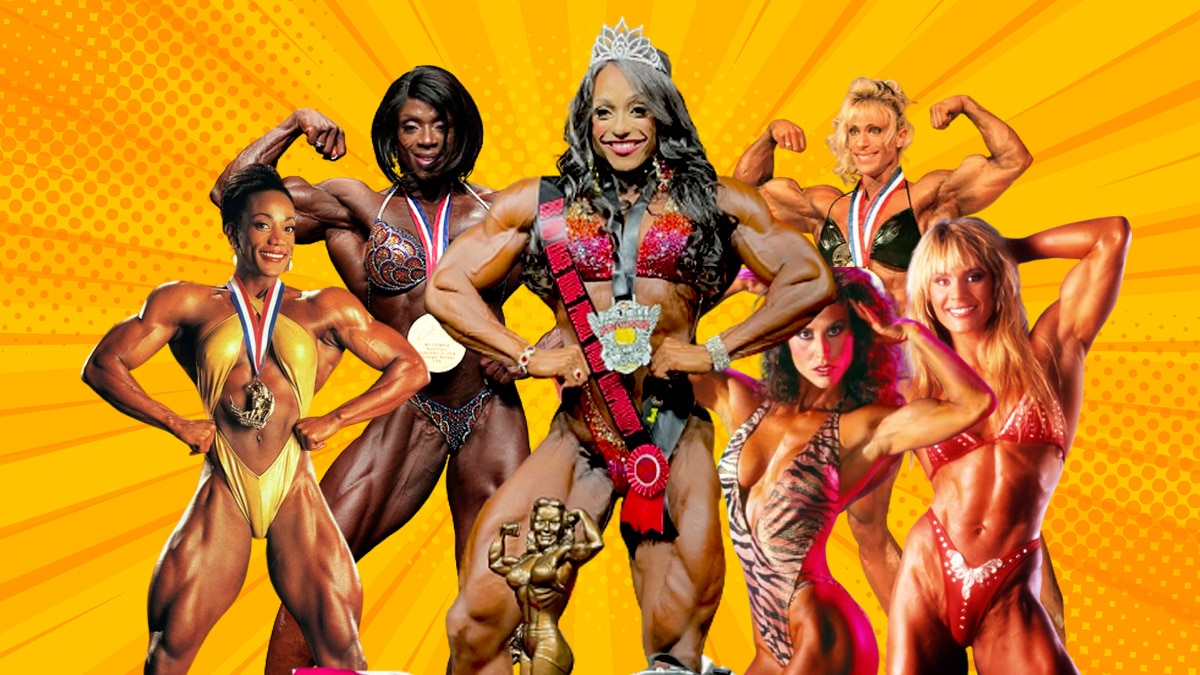
The physiques have changed more here than in any other division. Put Rachel McLish, who won in 1980 and 1982, next to seven-time and reigning champion Andrea Shaw and they look like different sports.
Every champion, 1980 to 2026
11 champions have won it across 42 contests
| Year | Champion | Country | Runner-up |
|---|---|---|---|
| 2026 | 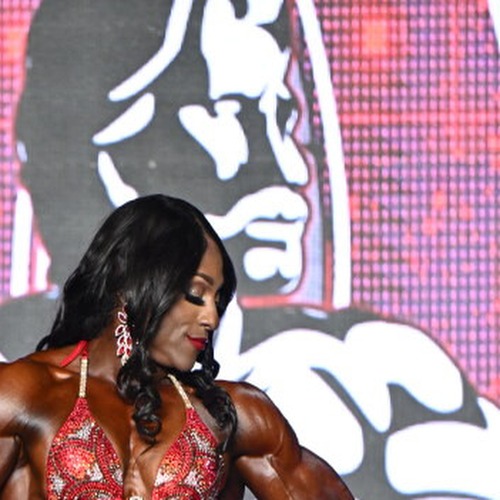 Andrea Shaw 7× Reigning Andrea Shaw 7× Reigning | United States | Ashley Lynnette Jones |
| 2025 | Andrea Shaw 6× | United States | Ashley Lynnette Jones |
| 2024 | Andrea Shaw 5× | United States | Angela Yeo |
| 2023 | Andrea Shaw 4× | United States | Angela Yeo |
| 2022 | Andrea Shaw 3× | United States | Angela Yeo |
| 2021 | Andrea Shaw 2× | United States | Helle Trevino |
| 2020 | Andrea Shaw | United States | Margaret V. Martin |
| 2014 | 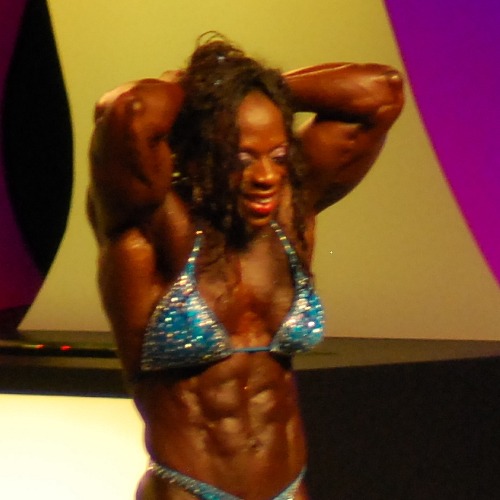 Iris Kyle 10× Iris Kyle 10× | United States | Alina Popa |
| 2013 | Iris Kyle 9× | United States | Alina Popa |
| 2012 | Iris Kyle 8× | United States | Debbie Laszewski |
| 2011 | Iris Kyle 7× | United States | Yaxeni Oriquen |
| 2010 | Iris Kyle 6× | United States | Yaxeni Oriquen |
| 2009 | Iris Kyle 5× | United States | Heather Armbrust |
| 2008 | Iris Kyle 4× | United States | Betty Viana |
| 2007 | Iris Kyle 3× | United States | Dayana Cadeau |
| 2006 | Iris Kyle 2× | United States | Dayana Cadeau |
| 2005 | 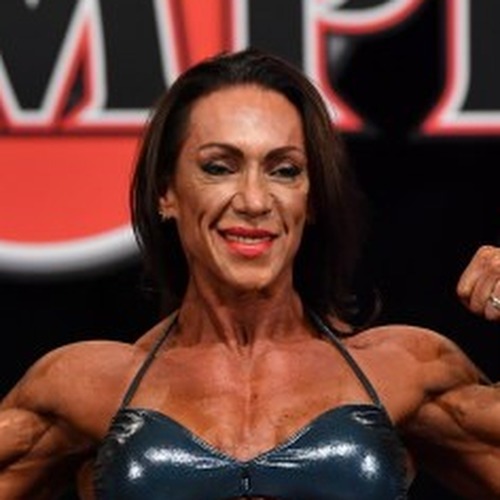 Yaxeni Oriquen Yaxeni Oriquen | Venezuela | Iris Kyle |
| 2004 | Iris Kyle | United States | — |
| 2003 | 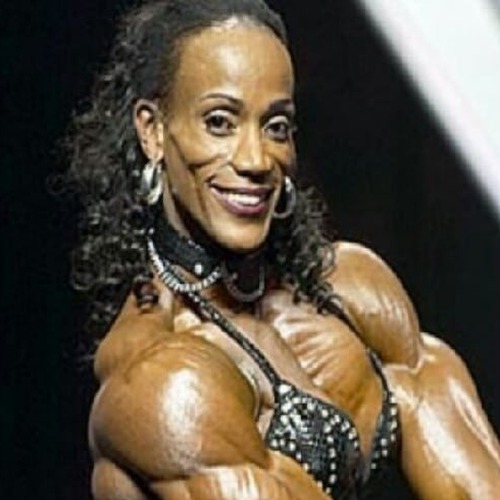 Lenda Murray 8× Lenda Murray 8× | United States | — |
| 2002 | Lenda Murray 7× | United States | Iris Kyle |
| 2001 | 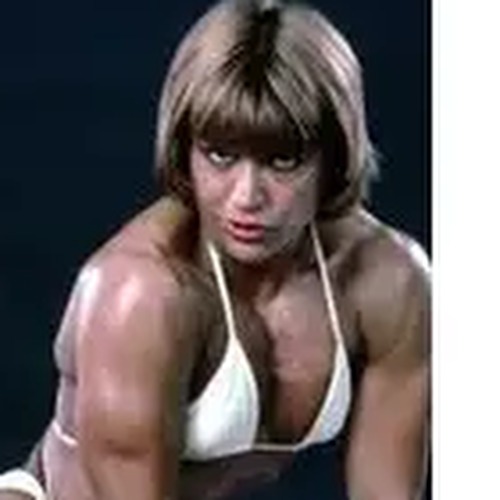 Juliette Bergmann Juliette Bergmann | Netherlands | — |
| 2000 | 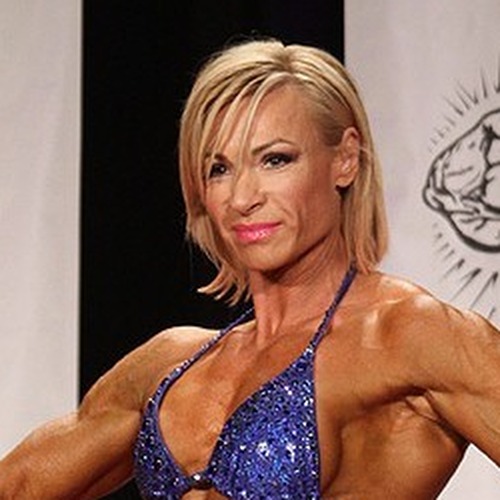 Valentina Chepiga Valentina Chepiga | Ukraine | — |
| 1999 | 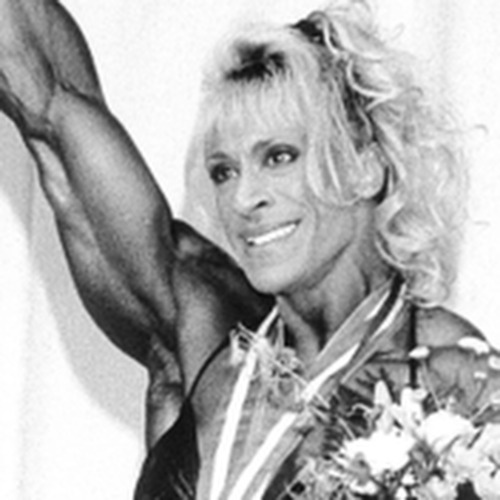 Kim Chizevsky 4× Kim Chizevsky 4× | United States | Vickie Gates |
| 1998 | Kim Chizevsky 3× | United States | Yolanda Hughes |
| 1997 | Kim Chizevsky 2× | United States | Lenda Murray |
| 1996 | Kim Chizevsky | United States | Lenda Murray |
| 1995 | Lenda Murray 6× | United States | Kim Chizevsky |
| 1994 | Lenda Murray 5× | United States | Laura Creavalle |
| 1993 | Lenda Murray 4× | United States | Denise Rutkowski |
| 1992 | Lenda Murray 3× | United States | Laura Creavalle |
| 1991 | Lenda Murray 2× | United States | Bev Francis |
| 1990 | Lenda Murray | United States | Bev Francis |
| 1989 | 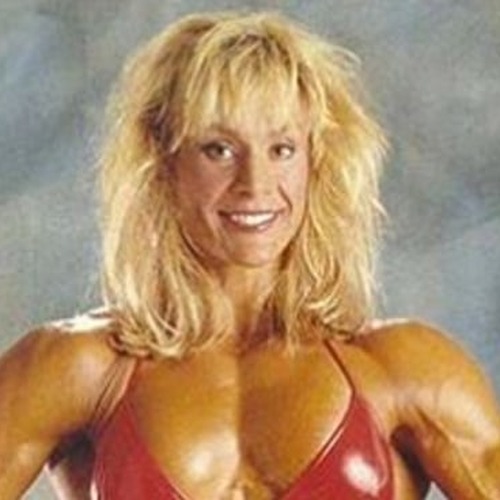 Cory Everson 6× Cory Everson 6× | United States | Sandy Riddell |
| 1988 | Cory Everson 5× | United States | Anja Langer (2) |
| 1987 | Cory Everson 4× | United States | Ellen Van Maris |
| 1986 | Cory Everson 3× | United States | Clare Furr |
| 1985 | Cory Everson 2× | United States | Mary Roberts (2) |
| 1984 | Cory Everson | United States | Rachel McLish |
| 1983 | 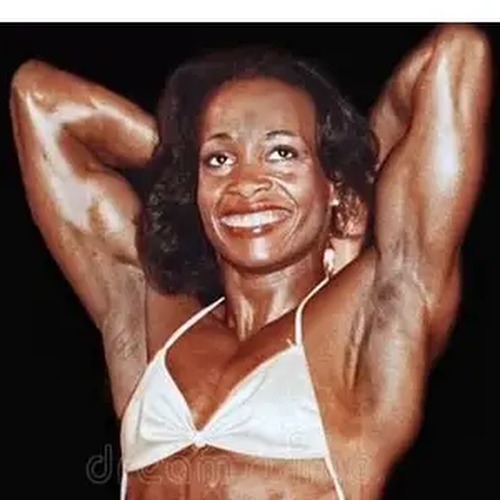 Carla Dunlap Carla Dunlap | United States | Candy Csencsits |
| 1982 | 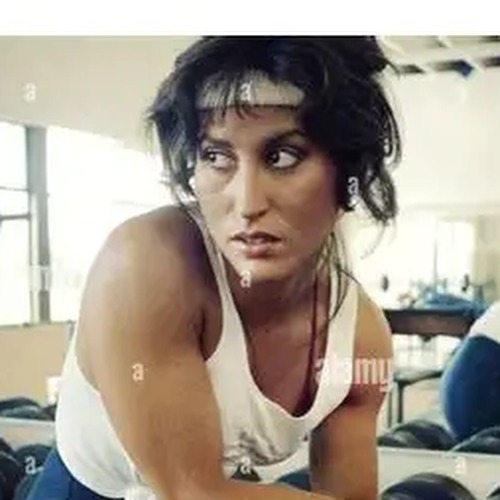 Rachel McLish 2× Rachel McLish 2× | United States | Carla Dunlap |
| 1981 | 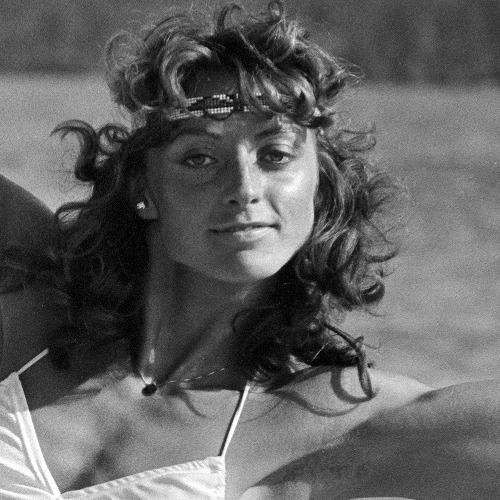 Kike Elomaa Kike Elomaa | Finland | Rachel McLish |
| 1980 | Rachel McLish | United States | Auby Paulick |
Every Ms. Olympia champion
 Rachel McLish2 titles · United States
- Kike Elomaa1 title · Finland
- Carla Dunlap1 title · United States
- Cory Everson6 titles · United States
- Lenda Murray8 titles · United States
- Kim Chizevsky4 titles · United States
- Valentina Chepiga1 title · Ukraine
- Juliette Bergmann1 title · Netherlands
- Iris Kyle10 titles · United States
- Yaxeni Oriquen1 title · Venezuela
- Andrea Shaw7 titles · United States
1980-1983: nobody could hold it
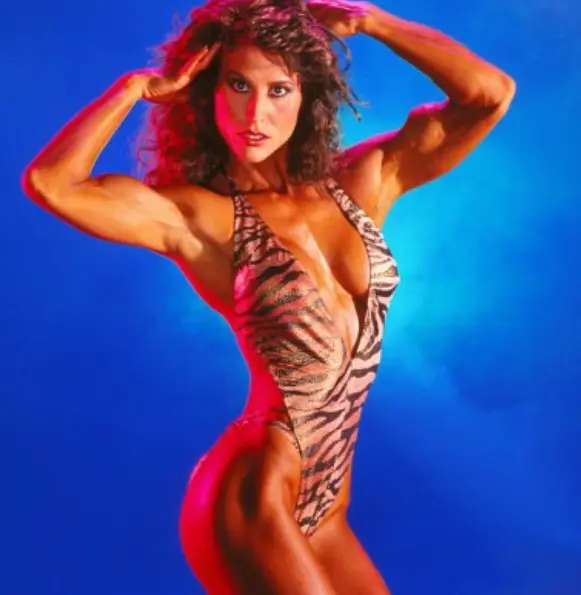
Nobody, fans or promoters, knew what the contest was supposed to look like, and the title changed hands every single year for four years.
Miss Olympia, as it was called then, was held at a Philadelphia hotel in 1980, the year Arnold Schwarzenegger came out of a four-year retirement chasing a seventh Mr. Olympia. Rachel McLish won it. Ritva Elomaa took it off her in 1981; McLish took it back in Atlantic City in 1982.
Then the machinery changed. George Snyder lost the rights in 1982, and until that point competitors had simply been hand-picked. From 1983 athletes had to qualify through placings at smaller contests, which brought in a more muscular field almost immediately. Carla Dunlap won that year convincingly.
1984-1989: Cory Everson
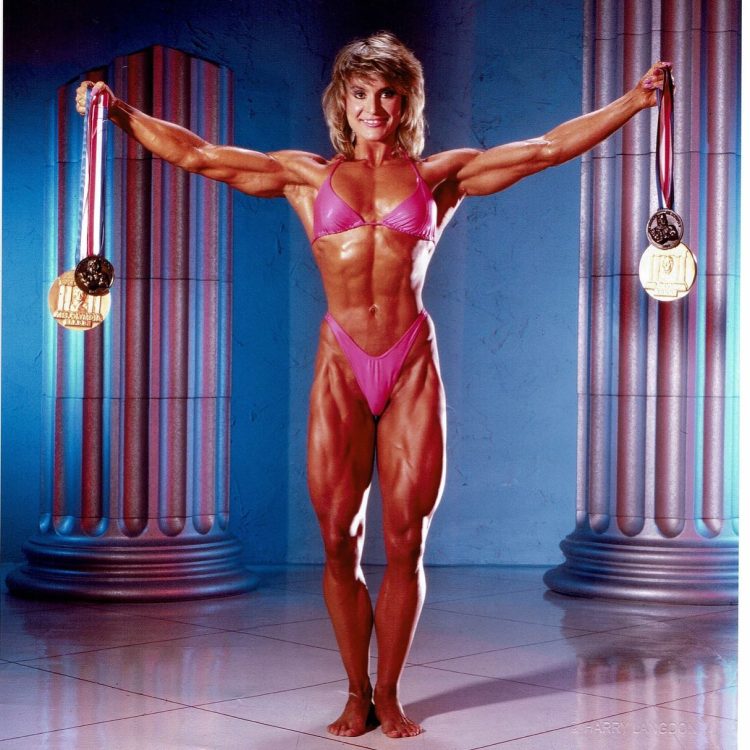
The 1984 contest, in Montreal, was the first held outside the United States, and it ended the moment Everson walked out. She was bigger and harder than any female bodybuilder anyone had seen. McLish finished second, defending champion Dunlap fourth.
Everson won six in a row and retired in 1989. She is the only female pro bodybuilder to have retired undefeated.
She went into acting afterwards: Double Impact (1991) with Jean-Claude Van Damme, Natural Born Killers (1994), Ballistic (1995), and Atalanta on Hercules: The Legendary Journeys.
1990-1995: Lenda Murray
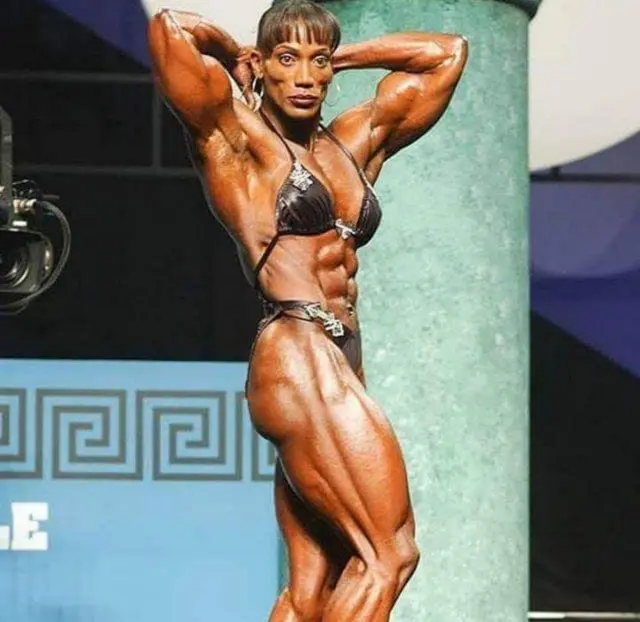
Everson’s retirement left the title with no defending champion for the first time. Bev Francis had been circling it for years and was the obvious pick. Murray won it on her debut instead, on size, conditioning and posing, and then held it for six years to match Everson.
The 1991 contest was the first Ms. Olympia televised live. Murray beat Francis by a single point.
By 1992 the IFBB had decided Murray and Francis were taking the division too far and introduced “femininity” rules that penalised competitors for being too big. Murray met the requirements and won anyway, and the federation walked the rules back.
1993 was the closest call of her reign. Denise Rutkowski pushed her hard enough that plenty of people in the room thought Rutkowski had won. She retired the following year, widely expected to be a future champion, and was later diagnosed with bipolar disorder and arrested over drug abuse.
Must Read: The Tragic Downfall of Ms. Olympia Runner-Up Denise Rutkowski
1996-1999: Kim Chizevsky
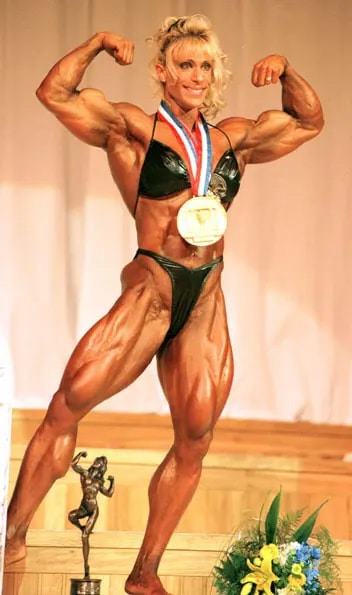
Chizevsky finished second to Murray in 1995 and beat her in 1996. Murray came back for a rematch in 1997, lost again to Chizevsky’s conditioning and symmetry, and retired.
Chizevsky won four straight, with her husband and coach Chad Nicholls widely credited as a factor. The 1998 contest was held in Prague. She left the division afterwards and competed in Fitness from 2001 to 2002 and Figure from 2003 to 2004.
Her 1999 runner-up was Iris Kyle.
2000: the year with two champions
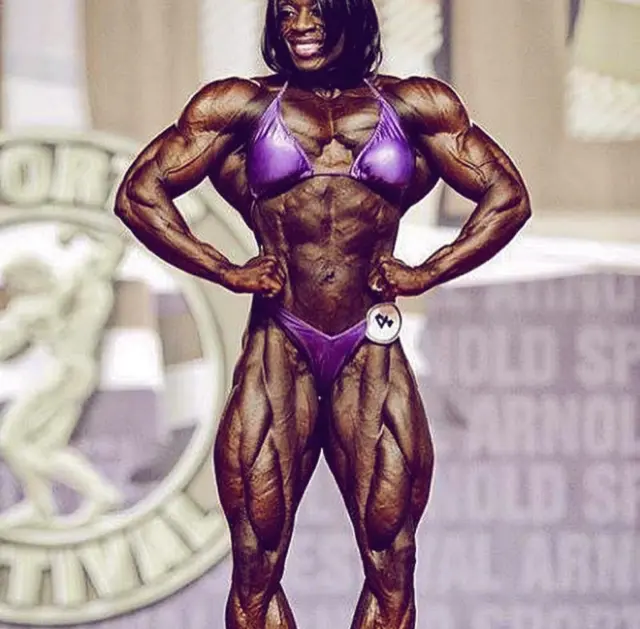
Three things changed at once. The Ms. and Mr. Olympia contests had been held on separate dates until then; in 2000 the IFBB merged them into one Olympia Weekend. Weight classes were added, heavyweight over 135 pounds and lightweight up to it. And new judging criteria told judges to assess “symmetry, presentation, separations, and muscularity BUT NOT TO THE EXTREME.”
Valentina Chepiga won the heavyweight class, Andrulla Blanchette the lightweight.
Note: The two divisional winners never faced each other for an overall title, which makes 2000 the only year with two Ms. Olympia champions.
2001: Juliette Bergmann
The weight classes ran for five years, 2000 to 2005, and 2001 produced the one result the format was capable of and never repeated.
Kyle had debuted in 1999 as runner-up and slipped to fifth in 2000. She won the heavyweight class in 2001.
Bergmann, back on an Olympia stage for the first time since 1989, won the lightweight class and then beat Kyle for the overall title. In five years of weight classes, that is the only time the lightweight winner took the overall.
2002-2003: Lenda Murray again
Murray saw an opening and came back after five years away. She won the heavyweight class off Kyle, then beat reigning champion Bergmann for the overall, and did the same again in 2003.
Eight titles, matching Lee Haney’s record.
Trivia: Ronnie Coleman became the third bodybuilder to win eight Olympia titles in 2005.
2004: Iris Kyle breaks through
Kyle finally beat Murray in the heavyweight class, then beat lightweight winner Dayana Cadeau for her first overall title.
2005: Yaxeni Oriquen-Garcia
The weight classes were abandoned in 2005, and the IFBB introduced the ’20 percent rule’, instructing female athletes in bodybuilding, fitness and figure to “decrease the amount of muscularity by a factor of 20%”.
Oriquen-Garcia had finished third in the heavyweight class three times. In the first year without classes she beat Kyle outright for her only title.
2006-2014: Iris Kyle
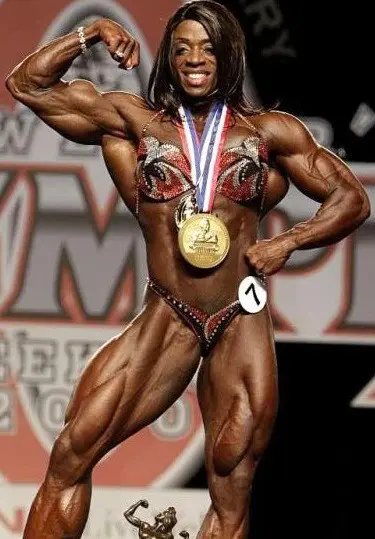
Kyle came back in 2006 in the best shape of her career and did not lose again. Nine consecutive titles, ten in total, more than any bodybuilder has won in any division.
Then the Olympia management pulled the contest, citing ticket sales, fan interest and falling athlete participation. Kyle’s tenth title, in 2014, was the last Ms. Olympia for six years.
2020-2026: Andrea Shaw
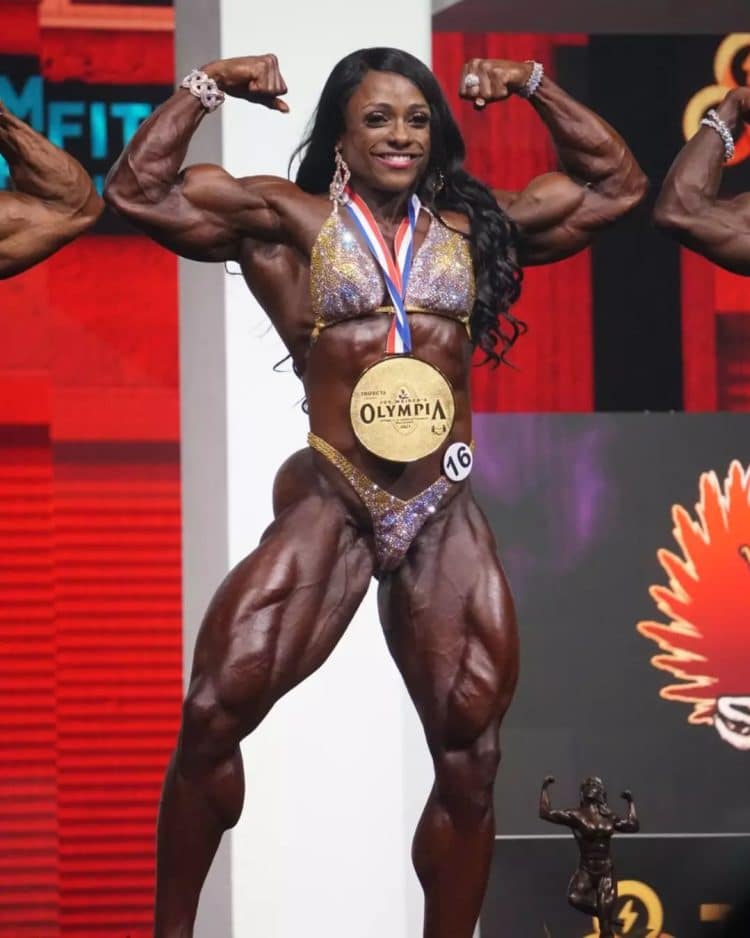
Jake Wood brought it back in 2020, and the reigning Rising Phoenix World Champion won it. Shaw took the first one in Orlando ahead of Margie Martin and Helle Trevino, and held it in 2021.
The 2022 three-peat came against Angela Yeo, second on her Olympia debut, and a Trevino working back from shoulder surgery. Shaw won it on the same things she always does: size, symmetry, conditioning and separation.
2024 was the hardest. Shaw went in having lost to Yeo at the Rising Phoenix Pro earlier that year, which had not happened before. She moved to Phoenix, took on a new coach to address specific weaknesses, and came back with a visibly better physique for a fifth.
At the 2025 contest the question was whether the field had finally caught her. Yeo and a group of newer competitors had been closing for several years. Shaw brought sharper conditioning, better biceps detail and a tight back, and won a sixth to match Cory Everson. Ashley Lynnette Jones was second, Leyvina Rodrigues Barros third.
The 2026 contest gave her a seventh straight. With Angela Yeo not in the lineup, the podium matched 2025: Jones second, Rodrigues Barros third. Seven takes Shaw clear of Everson and into third on the all-time list, behind only Lenda Murray’s eight and Iris Kyle’s ten, and seven in a row is the second-longest run the contest has seen, after Kyle’s nine.
She is also a five-time Rising Phoenix Pro champion, the second most prestigious title in Women’s Open bodybuilding.
What the full results reveal
Only one champion ever won it on debut
Rachel McLish, at the very first Olympia in 1980. Every champion since lost before winning, on average 1.3 times first.
Rachel McLishKike ElomaaCory EversonLenda MurrayAndrea ShawCarla DunlapKim ChizevskyValentina ChepigaIris KyleYaxeni OriquenJuliette BergmannOlympias entered before a first title, fewest first
The best bodybuilders who never won it
Bev Francis reached the podium 5 times between 1987 and 1991, 2 of them as runner-up, and never took the title.
Each block is one podium finish. Filled = runner-up.
5 reigns hold 32 of the 42 titles
The title moves in blocks rather than years. The long reigns below are the dynasties; the single years are the era we are in now.
Rachel McLishKike ElomaaRachel McLishCarla DunlapCory EversonLenda MurrayKim ChizevskyValentina ChepigaJuliette BergmannLenda MurrayIris KyleYaxeni OriquenIris KyleAndrea ShawEach bar is one unbroken reign, oldest first
How many rivals you had to beat
The 1980s Olympia averaged 17.6 competitors. By the 1990s it was 18.7, and in the 2020s it is 14.0.
Average scored competitors per contest, by decade
Where the title lives
Champion nationality, decade by decade.
Oxblood marks a champion from outside the United States
The winners of the other divisions:
- Every 212 Olympia Winner Since 2008 (and History of the Division)
- Every Wellness Olympia Winner Since 2021
- Every Classic Physique Olympia Winner Since 2016
- Every Bikini Olympia Winner Since 2010
- Every Fitness Olympia Winner Since 1995
- Every Wheelchair Olympia Winner Since 2018
- Every Mr. Olympia (Men's Open Division) Winner Since 1965
- Every Women's Physique Olympia Winner Since 2013
- Every Figure Olympia Winner Since 2003
- Every Men's Physique Olympia Winner Since 2013