


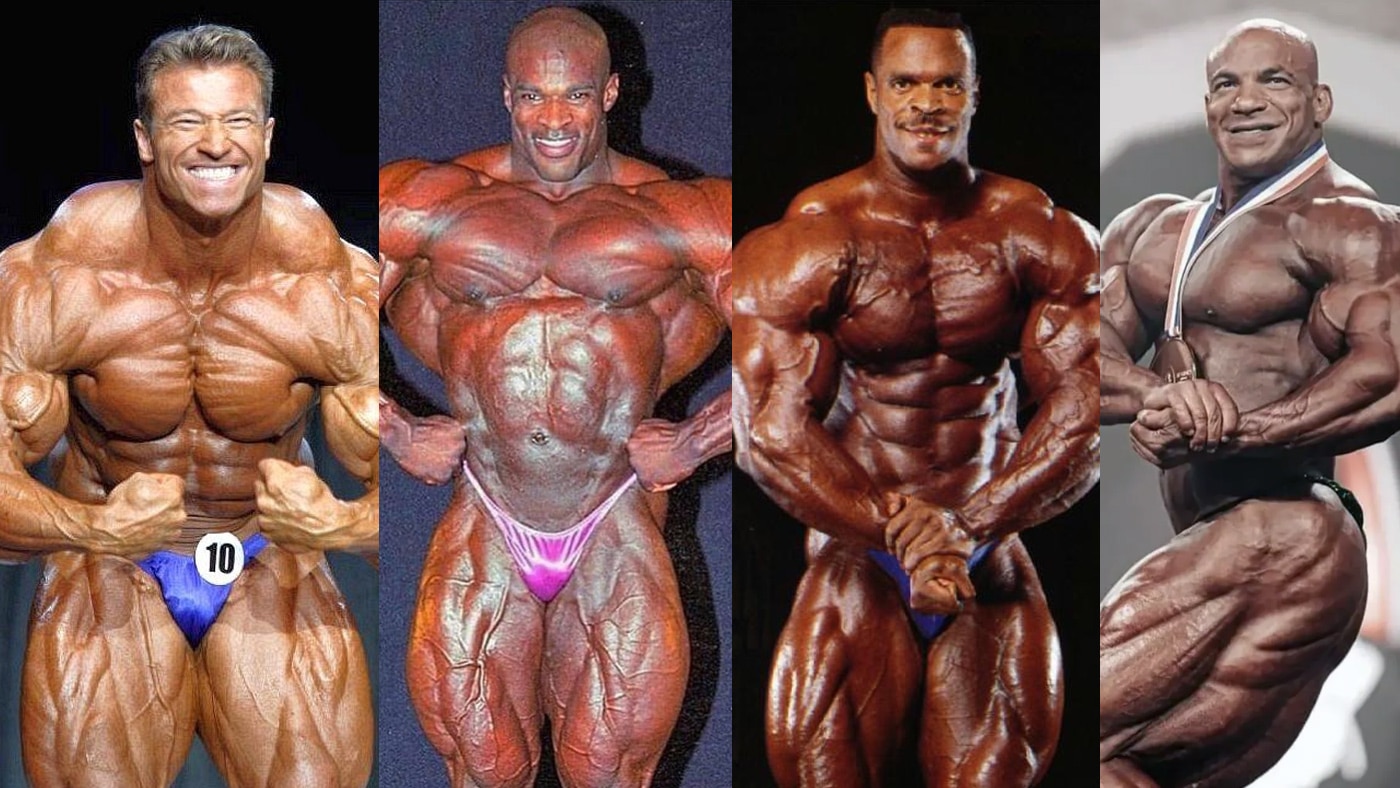
Would you watch bodybuilding shows if the biggest bodybuilders in the world looked like you and me?
Side Note: I am trying to be a little humble here. I can bench like Bradley Martyn and deadlift more than Larry Wheels. Okay, I might have said a little too much, but I hope you get the point.
People watch bodybuilding contests and follow athletes on social media because they want to witness a freak show. I can bet the bodybuilding scene would not be close to what it is today if “Men’s Physique” was the only contestable division. I do not intend to undermine what Men’s Physique athletes do, but it is what it is.
For this list, we are not looking for athletes who could win bodybuilding shows with their muscle proportion, conditioning, and symmetry. Here, we are just looking for bodybuilders with mean muscle mass (3Ms). We do not care if a bodybuilder’s calves are as big as their arms and neck. To feature on the biggest bodybuilder of all-time list, all you need is nasty muscle mass.
Biggest and Most Muscular Bodybuilders of All Time
1. Dorian Yates
- Height: 5’10”
- Weight: 265lbs
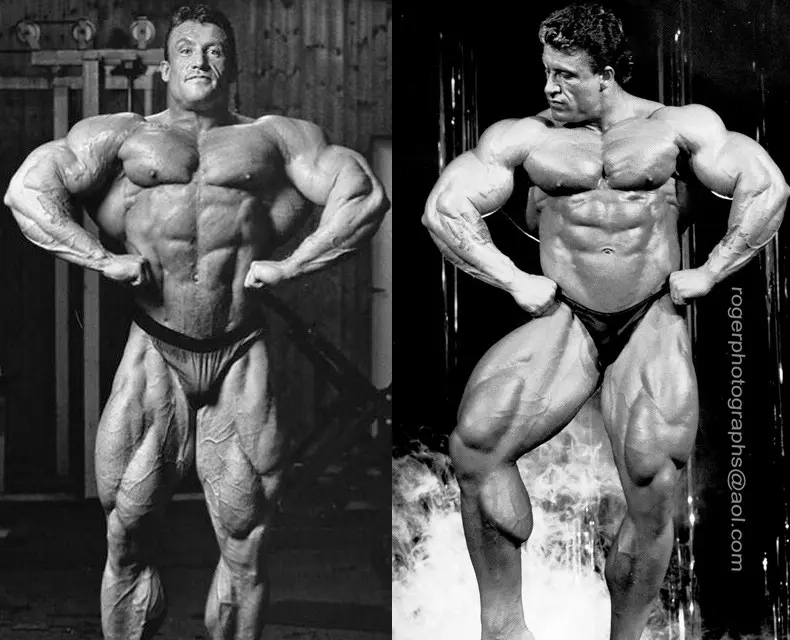
A list of the biggest bodybuilders can never be deemed complete without the mention of Dorian Yates.
The sport of bodybuilding was a little different before Dorian Yates’ arrival. Yates flipped the entire game on its head and then dominated it for seven long years.
It is not just Yates’ size that was mesmerizing. The muscular graininess that he brought to the stage is unparalleled. During his posing routine, it looked like his muscle fibers had a life of their own.
The Englishman’s no-nonsense approach has made him a crowd favorite. Dorian is very transparent and open with his followers. He does not hold back from sharing anything that he thinks might benefit his fans.
Must Read: Dorian Yates Explains Why He Started Juicing: ‘I Just Wanted To Be On An Even Playing Field’
2. Mamdouh “Big Ramy” Elssbiay
- Height: 5’9″
- Weight: 310lbs
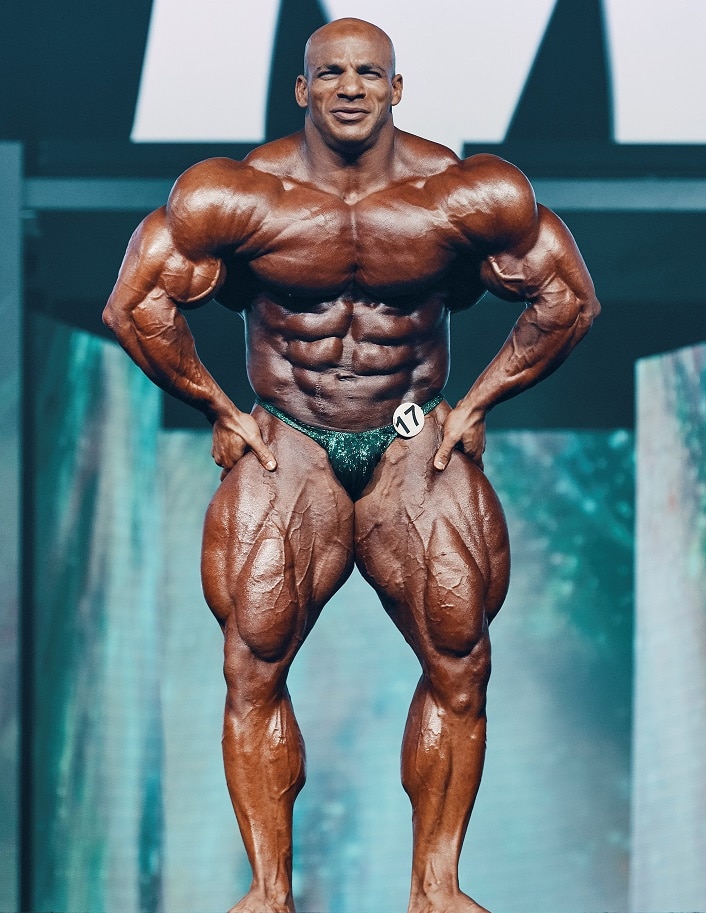
They do not call him Big Ramy for nothing. He is also considered the biggest bodybuilder in the world right now.
Mamdouh Elssbiay is the reigning Mr. Olympia champ. He started his Mr. Olympia journey in 2013 and has improved his physique with every show.
Trained as a fisherman, Big Ramy decided to attend the Oxygen Gym in Kuwait on a whim. It was not much later that everyone around him realized he had the genetics for bodybuilding. Within three years of starting training, he competed in the 2012 Amateur Olympia in Kuwait City and won his Pro card.
Big Ramy was close to tasting victory in 2017 when he almost beat the defending champ, Phil Heath, for the Mr. Olympia crown.
Mamdouh Elssbiay placed sixth in the 2018 Mr. Olympia, took the next year off to recoup, and won the show in 2020 and 2021. It is almost as if he knew what was missing and how much time he would need to fix it, and fix it he did.
Related: Mamdouh “Big Ramy” Elssbiay Wins Mr. Olympia 2021
3. Paul Dillett
- Height: 6’1″
- Weight: 310lbs
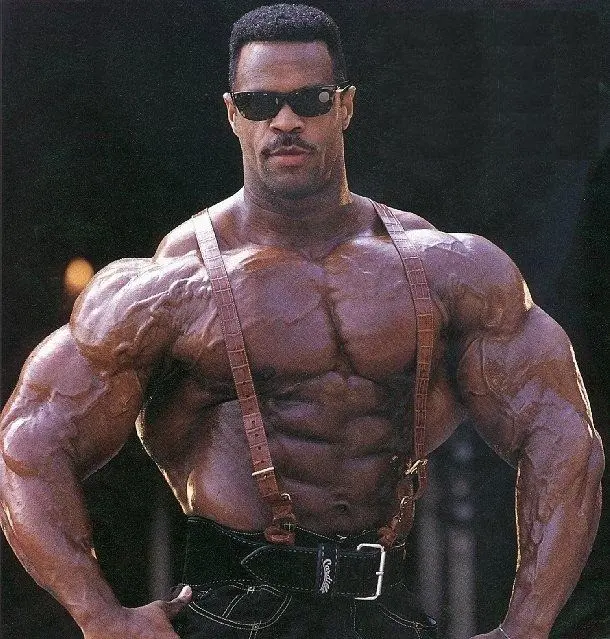
Paul Dillett was a beast in his prime years. His vascularity and muscle mass were out of the world which gets him a spot on the biggest bodybuilders of all time list. Before starting his bodybuilding journey, Dillett was one of the best players in CFB (Canadian Football League). It was this sport that helped establish the foundation he later carved his physique upon.
For comparison purposes, Paul Dillett was a little bigger (and taller) than Big Ramy. We would say his nickname Freak-einstein is well-deserved.
After retiring from bodybuilding in 2012, Paul opened his personal training business. In 2007, Paul became the owner and CEO of WBFF (The World Bodybuilding and Federation).
Paul experienced an accident on stage in 1994 at the Arnold Classic. During one of his poses, Paul froze on stage. It happened as a result of cramping from water retention and dehydration. After the incident, Paul took one year off, and came back in 1996, finishing in 3rd place at both the Arnold Classic, and Grand Prix in the Czech Republic.
4. Ronnie Coleman
- Height: 5’11”
- Weight: 310lbs
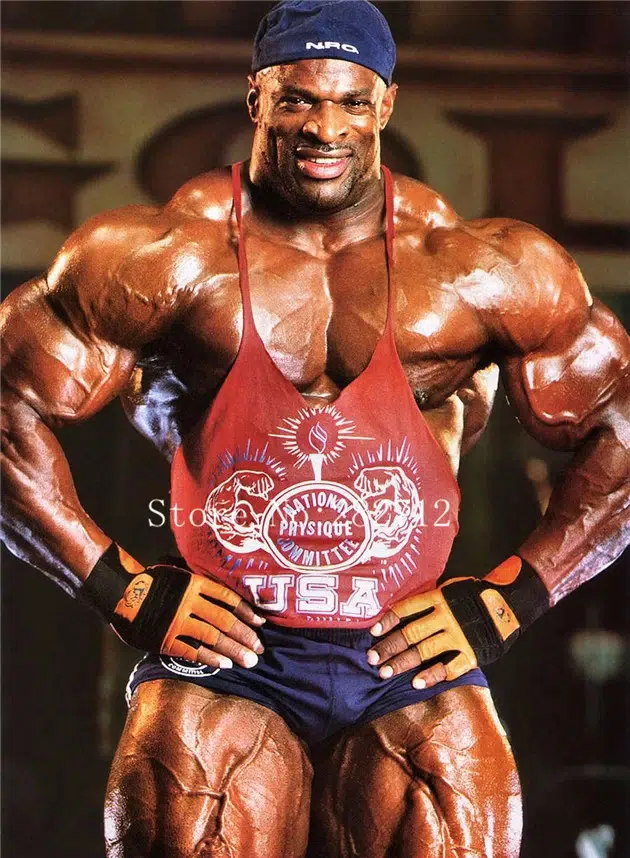
Dorian Yates’ successor could be nothing less than a (kind-hearted) monster. The bodybuilding world was still adjusting to the new size standards when Coleman began setting new benchmarks every year (for eight years) starting in 1998.
Ronnie Coleman was not one of those “lift light weights with the right form” guys. Coleman lifted heavy and was as strong as he looked. His training videos are considered potent pre-workout inspiration material. Ronnie Coleman gets a spot each on the greatest and biggest bodybuilders of all time list.
The next time your trainer tells you that lifting heavy does not build muscle, remind him of Ronnie’s golden words:
“Everybody wants to be a bodybuilder, but nobody wants to lift no heavy-ass weights.”
Must Read: Ronnie Coleman Says His Body Was ‘More Proportioned’ Than Big Ramy
5. Jay Cutler
- Height: 5’9″
- Weight: 275lbs
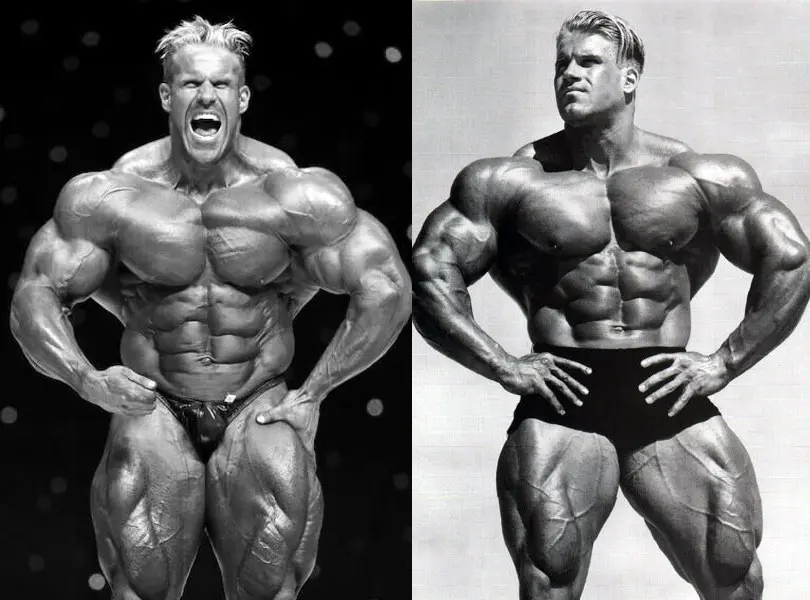
From Dorian Yates to Ronnie Coleman to Jay Cutler, the size wars were for real. Jay Cutler defeated Coleman to win his first Mr. Olympia title in 2006. He has a total of four sandows gracing his trophy shelves. If beating Coleman does not get you a spot on the biggest bodybuilders list, nothing will.
Jay entered his first competition as a bodybuilder in 1993, at the age of 20. In that show, he won both the teenage and men’s heavyweight divisions. After his wins, he realized his potential to succeed in the industry and decided to pursue a career in fitness.
After graduating from college, Jay trained rigorously in the gym and worked his rear off to sculpt his dream physique. He had made it his goal to become the biggest bodybuilder in the world.
Related: Jay Cutler Shares His Most Intense Garage At Home Workout Ever!
6. Rich Piana
- Height: 6’1″
- Weight: 285lbs
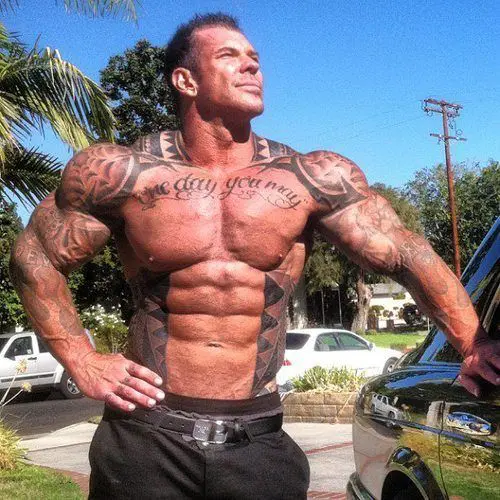
Rich Piana was a freak of nature. He was one of the few fitness celebs who are open about their steroid use. Piana came to be known for his openness about what goes on behind closed doors in the fitness industry.
Rich Piana had some of the freakiest arms, shoulders, and back we have ever seen. Although he routinely found himself in controversies, his brand value was going through the roof – evident by the success of his 5% brand.
Piana started lifting when he was 11-years-old and started competing in bodybuilding shows at 15. By the age of 19, Rich already had several titles under his belt – including Mr. California. Gone too soon, but we will always remember Rich Piana for his insane physique.
Check-Out: Tribute To Rich Piana Two Years After His Passing
7. Roelly Winklaar
- Height: 5’6″
- Weight: 295lbs
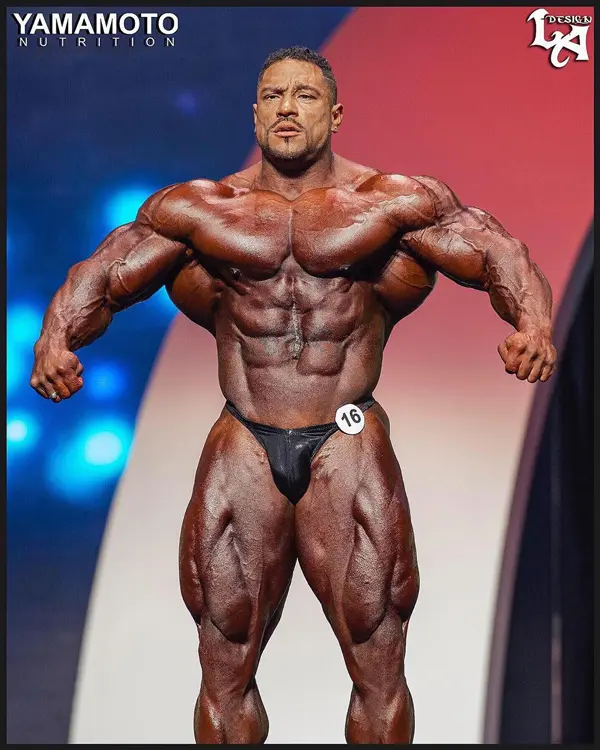
Roelly Winklaar has got to be one of the freakiest athletes on the Mr. O stage in recent times. His biceps and triceps are second to none and only seem to be getting better with every passing year.
Roelly’s highest placing in a Mr. Olympia competition was in 2018 where he finished in 3rd place. He placed 5th in 2019. Unsatisfied with his performance, he took a break in 2020 to work on his physique.
It is not uncommon for athletes to take a break from Mr. Olympia to work on their bodies, fix weaknesses and return better than ever. Mr. O 2021 came as a big disappointment for Roelly Winklaar as he placed 11th in the show.
Check Out: 2021 Mr. Olympia Men’s Open Bodybuilding Results and Prize Money
8. Lou Ferrigno
- Height: 6’5″
- Weight: 295lbs
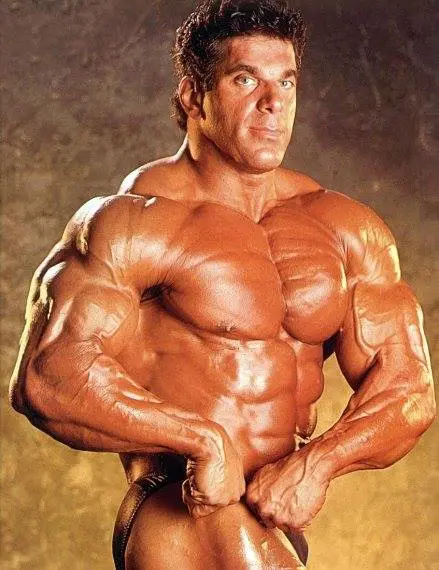
Lou Ferrigno was one of the biggest bodybuilders of his time. No wonder Arnie considered him a threat in the iconic bodybuilding documentary – Pumping Iron. Ferrigno was also the youngest (and tallest) man to win the IFBB Mr. Universe title twice.
Back when special effects in Hollywood movies were not as good as they are today, Lou was cast as The Incredible Hulk. It does not take a lot of grey matter to understand why.
Lou Ferrigno had a difficult childhood, as his hearing loss led him to be very shy. He was fond of reading comics and dreamed of being as strong as the muscular characters within. He certainly attained that goal.
Watch: Incredible Hulk Lou Ferrigno Train Chest and Arms
9. Martyn Ford
- Height: 6’8″
- Weight: 310lbs
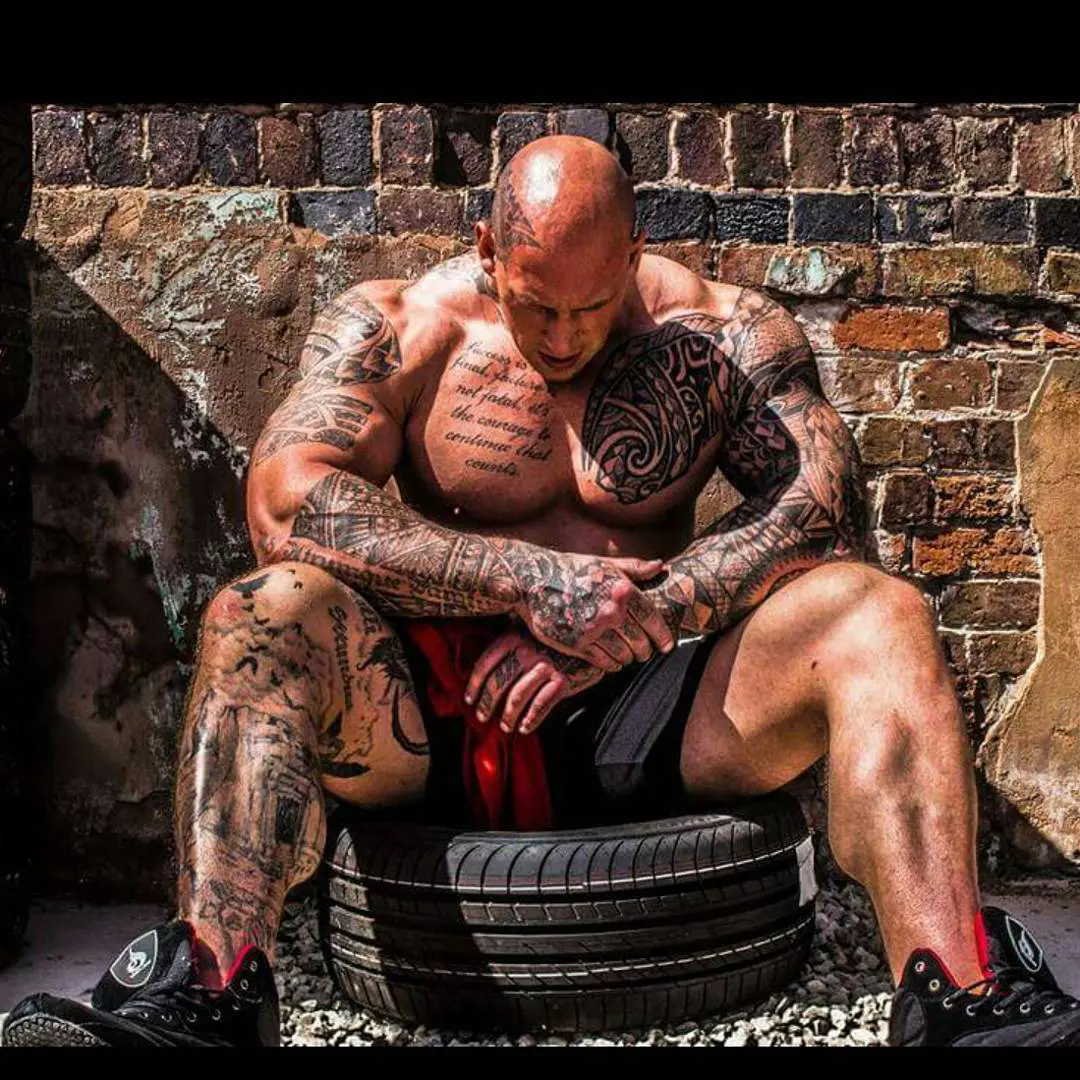
For this entry, we switched our selection criteria for the biggest bodybuilders of all time from breadth to height. The talented cricketer found his career in jeopardy after an injury left him sidelined for around 12 months.
Martyn found fitness and bodybuilding as an ideal way to channel his frustration. Soon enough, the built-up frustration gave way to passion for lifting as he was awe-truck by his progress in the gym.
Martyn’s size and personality have led him to opportunities in Hollywood. Not only is he built like a mountain, but he can also move like a river. Ford trains MMA twice a week to stay in peak conditioning.
10. Markus Rühl
- Height: 5’10”
- Weight: 285lbs
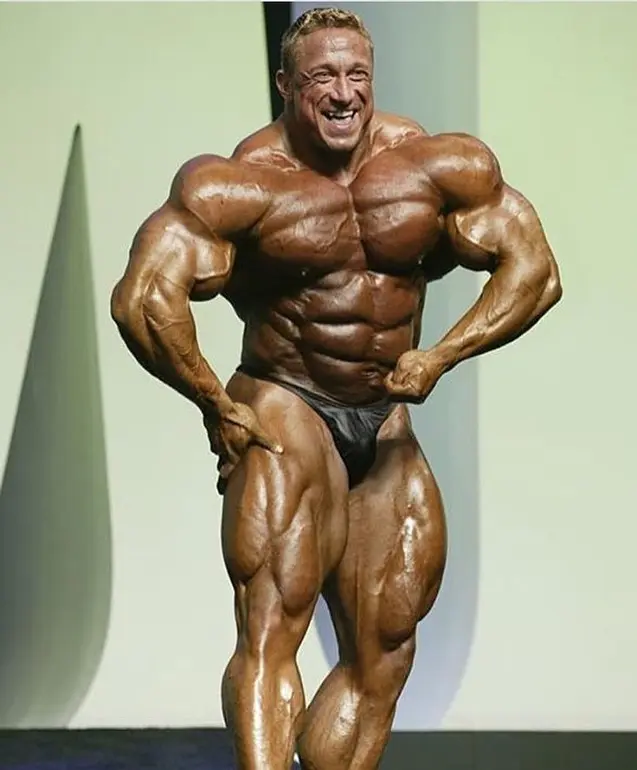
Markus did not initially plan on becoming a bodybuilder. During his early childhood, Markus played high-level soccer for his team in Germany. He hoped that with his performances, he would make it to the professional level in the sport.
It does not matter if you are into bodybuilding or not, you have probably come across Rühl at some point while scrolling through your Instagram or FB timeline – thanks to his viral meme.
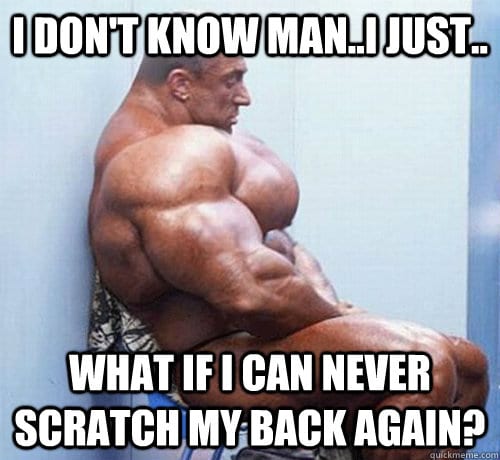
Meme or not, Markus boasted one of the most impressive sets of shoulders in bodybuilding history which gets him a spot on the biggest bodybuilders of all time list.
Look through Mr. Olympia contest photos between 2000-2009, and you will see Mark Rühl overshadowed both Ronnie Coleman and Jay Cutler with his sheer muscle mass.
If Mr. Olympia judges followed the same criteria as us, Rühl would have at least one Mr. O title to his name by now.
WATCH: Markus Rühl Is Bigger Than Big Ramy?
11. Dennis James
- Height: 5’8″
- Weight: 265lbs
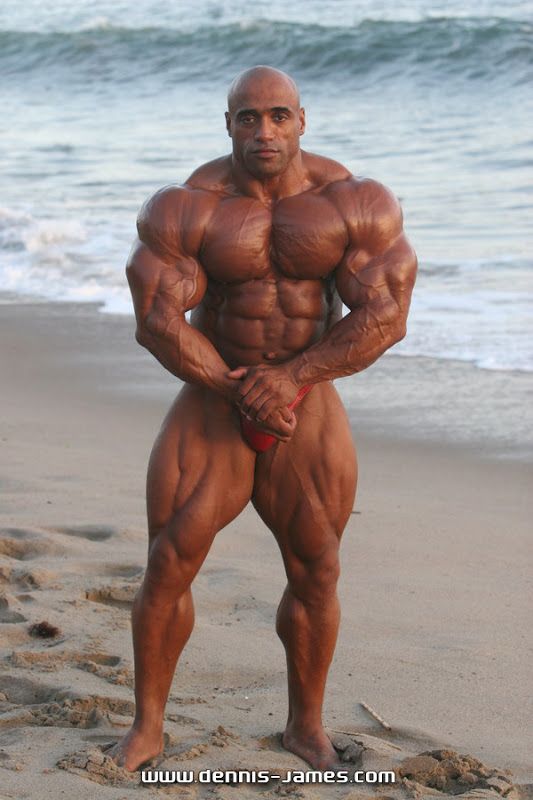
Dennis “The Menace” James was born in Germany as his father, a military man, was stationed there.
James placed 11th in his first Mr. Olympia meet in 2000. He would go on to compete in a total of seven Mr. Olympias.
Dennis James’ chiseled physique maintained the perfect balance between aesthetics and muscle mass. His best finish at Mr. Olympia happened in 2003 where he placed 4th.
Even after retirement, James continues to maintain his physique. It is no surprise that many people mistake him for a competitor at Mr. Olympia press conferences. He looks like he could take off his suit and jump onto the stage at any moment.
Next Read: Dennis James Looks Incredible Even In Retirement
12. Jean-Pierre Fux
- Height: 5’11”
- Weight: 260lbs
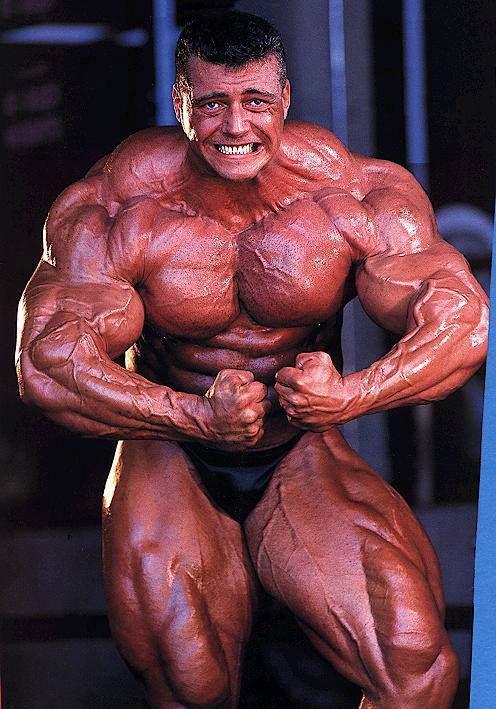
Jean-Pierre Fux is a Swiss bodybuilder who started training at the age of 16. His freakish muscle mass made him look like a force of nature. While performing the front lat spread, more than a human, Jean looked like an illustrative sketch of the perfect bodybuilder.
Fux had competed in four Mr. Olympia shows before his bodybuilding career was cut short due to an infamous accident. While doing 675-pound squats for a FLEX photoshoot with Chris Lund, he had suddenly collapsed and crashed to the gym floor. It was a sad end to such a promising career.
Here’s how Jean-Pierre remembers the accident:
“We’d worked up to seven plates on each side. That weight is not a problem for me — I had done the same thing a week earlier for my training video. I began to squat down and everything was fine. Then in a split second, I went from complete comfort to collapse. My knees just went – I crashed down so quickly the spotters didn’t have time to react. Afterward, they felt bad about it, but it was so quick, nobody could have caught the weight.”
13. Günter Schlierkamp
- Height: 6’1″
- Weight: 310lbs
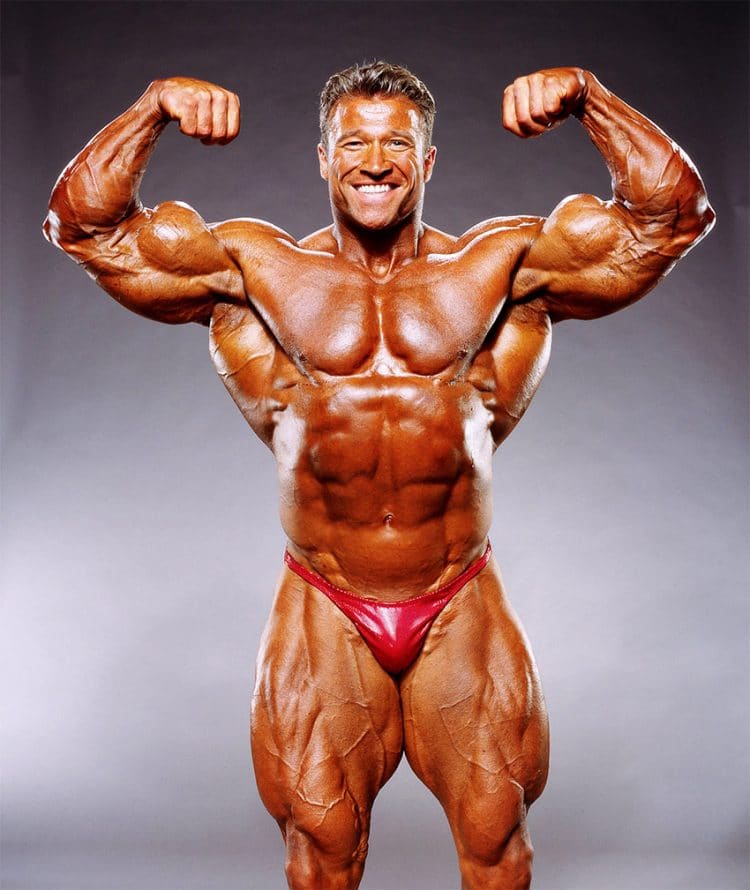
Do not tell me Günter Schlierkamp does not look like a buffed-up Captain America. Yes, a German Captain America.
Schlierkamp beat the reigning Mr. Olympia champ, Ronnie Coleman to win the 2002 GNC Show of Strength – a feat most had dubbed impossible.
Günter weighed up to 330lbs in his offseason – which makes him one of the biggest bodybuilders of any era. Not only was he tall and muscular, but he was also shredded to the bone.
Summary
Being the biggest bodybuilder of all time is no joke. It requires genetics (of a monster), constant work, day in and day out. We cannot begin to imagine where the sport will go and what the athletes will look like if more weightage is given to muscle mass as compared to symmetry and conditioning.
Here’s a recap of the biggest bodybuilders of all time:
- Dorian Yates
- Mamdouh “Big Ramy” Elssbiay
- Paul Dillett
- Ronnie Coleman
- Jay Cutler
- Rich Piana
- Roelly Winklaar
- Lou Ferrigno
- Martyn Ford
- Markus Rühl
- Dennis James
- Jean-Pierre Fux
- Günter Schlierkamp
What do you think? Let us know in the comments below.


I worked with Jim Park in the early 70’s at Kaiser Aluminum in Ravenswood, Wv. He was Mr. America 1952, Mr. World 1953 and Mr.Universe 1954. He wasn’t the 300 lbs.men, but 20 years after him competing, he was still magnificently muscular.
Fiquei desapontado porque não vi Nasser el Sonbaty, 5′ 11 e 290 lbs. Verdadeiro monstro tb.
Schlierkamp, Ferrigno, the top regardless. Guenter: Platzierungs Raub zu oft. Sollte deins sein jedesmal!
Taller is harder, longer levers, monsterous kudos. 2x the work. Superior accomplishments!!
Missing Greg Kovacs. 6’3” 325 on stage. Something close to 375 off season. Saw him at the ‘97 Olympia in Long Beach. Not competing. Biggest bodybuilder I’ve ever seen.
Greg Kovacs, while not a top contender, competed in the 320-330 lb range.
If bodies become even bigger.more health issues will be of concern because while these men are huge they have health issues and if you take this sport to a different level as far as size we will begin to see more early deaths / health complications. No way a man 5’6 can carry 300 lbs muscle or fat but it does gives for good entertainment to see how big one can push thier body
The weights posted here are way off. Ferrigno was 318 lbs. In his prime.
No Bertil Fox?
The Dorian Yates piece makes the real point. They’re all on steroids, so who really cares?
Greg Kovacs, Rich Piana, killed by their drugs. So sad.
Sergio Olivia . . Awesome in any decade.
Rich Piana doesn’t belong on this list, he won nothing and doesn’t add up to the list of the best. Bring in Kai Greene, Phil Heath, and one of the greatest of all time Markus Ruhl.
Been backstage or in hallway and bumped into a few of these fellows. The old timers you bounce off like hitting a wall or truck. The newer guys are very big , but not so firm.
What about Lee Haney he was a phenomenal bodybuilder/mr Olympia!!
Steve Kulco…hes massive and tall.
Where the hell is Nasser El Sonbaty?
Where is Greg Kovaks??
Dude was a legit 400lbs off season bodybuilder!
How is phil heath not on this list